えいたんごクイズ

fussy

/ˈfʌsi/

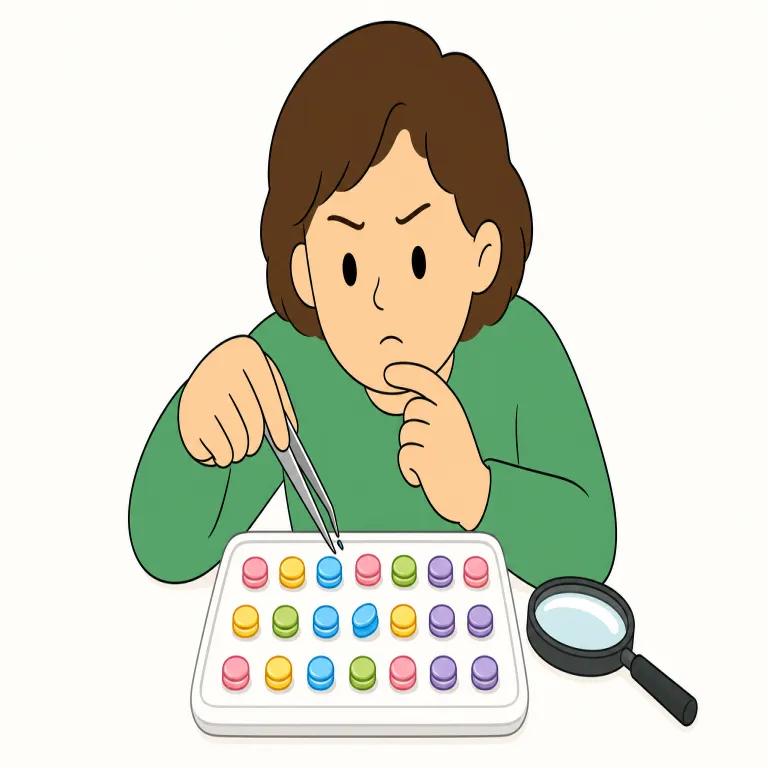
fussy は英検準1級・英検1級レベルの英単語で、「うるさい、細かいことにこだわる、細かすぎる、凝りすぎた、気難しい」という意味があります。発音記号は /ˈfʌsi/ です。

意味一覧 (4件)

adjective

うるさい

解説 Definition

うるさいとは、細かい点まで気を配り、些細な過失や手順の違いに敏感に反応する様子を表します。気難しく感じられたり、要求が多いため周囲を疲れさせることもあります。

Fussy describes someone who is too concerned about small details or too hard to satisfy. It can also describe behavior, tastes, or even design that seems overly complicated or picky. The word often has a negative feeling.

覚え方のコツ Memory Tip

fussy は fuss「細かいことで騒ぐ・気にする」から、人が好み・手順・品質などについて細かく注文をつけ、満足させにくい「うるさい」を表すと覚えます。a fussy customer, be fussy about food/details のように、人の要求が多く、周囲を少し疲れさせる場面で使われます。noisy のような音のうるささではなく、picky「好みに厳しい」に近い性格や態度です。

Build `fussy` from `fuss`, meaning too much worry or attention about small things. A fussy person is hard to please about food, details, style, or rules. Useful phrases are `a fussy customer`, `a fussy eater`, and `be fussy about details`. It means picky or demanding, not noisy.

例文

My grandmother is fussy about how the table should be set for dinner.

祖母は夕食のテーブルセッティングについてうるさい。

He can be quite fussy about the quality of his coffee.

彼はコーヒーの品質についてかなりうるさい。

The fussy customer complained about every detail of the meal.

うるさい顧客は食事のあらゆる細部について文句を言った。

adjective

こまかいことにこだわる

(意味 2)

解説 Definition

細かなことに気をつかい、細部にこだわるため簡単には満足しない様子。また、(赤ちゃんなどが)泣きやすく、すぐにぐずぐずする傾向。

例文

She is very fussy about her food and only eats certain dishes.

彼女は食べ物について細かいことにこだわる傾向が強く、特定の料理だけを食べる。

He is fussy about his appearance and spends hours getting ready.

彼は彼の外見について細かいことにこだわる傾向があり、準備に何時間も費やす。

The fussy baby refused to sleep without his favorite blanket.

その気難しい赤ちゃんはお気に入りの毛布がないと眠ることを拒否した。

adjective

こまかすぎる、りすぎた

(意味 3)

解説 Definition

fussy は、デザイン・装飾・文章・手順などが細部にこだわりすぎて、すっきりせず扱いにくい様子を表します。人の性格ではなく、物や作り方が過度に複雑・装飾的だと感じる場面でよく使います。

Fussy describes something that has too many small details, decorations, or steps, so it does not feel clean or easy to use. It is often used for design, writing, clothes, rooms, or methods that seem overly complicated or carefully arranged. In this sense, fussy usually describes things, not a person's personality.

覚え方のコツ Memory Tip

fussy は fuss「細かいことで騒ぐ・気にする」に -y が付いた形です。人が fuss するだけでなく、服・部屋・文章・手順などが「細部まで盛り込みすぎて面倒に見える」時にも使えます。simple の反対側にある語として、a fussy design, fussy decoration のような組み合わせで覚えると自然です。既存の「好みなどにうるさい」意味とは分けて、ここでは物や表現が過度に凝っている感じに注目します。

Think of fussy as connected to fuss, when someone pays too much attention to small details. The word can describe not only people but also clothes, rooms, writing, or procedures that seem overworked. It is useful to remember it with phrases like a fussy design or fussy decoration, on the opposite side of simple.

例文

The website looked nice at first, but the layout was too fussy to use easily.

そのウェブサイトは最初はよく見えたが、レイアウトが細かすぎて使いにくかった。

She prefers simple furniture because fussy decoration makes a room feel smaller.

彼女はシンプルな家具を好む。凝りすぎた装飾は部屋を狭く感じさせるからだ。

The report was clear before, but the revised version became fussy and hard to follow.

その報告書は前は分かりやすかったが、修正版は細かすぎて読みにくくなった。

adjective

気難きむずかしい

(意味 4)

解説 Definition

細かいことにこだわる様子。簡単には満足せず、常に不平を言う傾向にある。

例文

The fussy customer complained about every little thing.

その気難しい顧客はちょっとしたことに文句を言った。

She is fussy and difficult to work with in the office.

彼女は気難しく、オフィスで一緒に仕事をするのが難しい。

The fussy restaurant owner demanded excellence in every detail.

その気難しいレストランのオーナーはすべての詳細で卓越性を要求した。

fussy の語源・成り立ち Etymology

fussy は英語 fuss「大騒ぎ・細かな不満」+形容詞語尾 -y からできた語で、fuss 自体は force の変形説やデンマーク語由来説があり定説は不明です。細事にまで騒ぎ立てる感じから「うるさい・気難しい」となり、関連語に fuss, fussiness があります。

Fussy comes from the English noun fuss with the adjective ending -y. The deeper origin of fuss is uncertain, and scholars have suggested more than one source. The word developed from the idea of making a fuss over small things, so fussy came to mean overly particular, hard to please, or easily bothered.

外部辞書で調べる

この単語をシェア

この単語を英単語クイズで覚えよう