快活な、興奮した
adjective 形容詞人の性格、雰囲気、感情などが活気にあふれ、弾むように明るいことを表します。主に英国のくだけた用法で、炭酸の泡立つ感覚を人の生き生きした様子に移した比喩的な意味です。
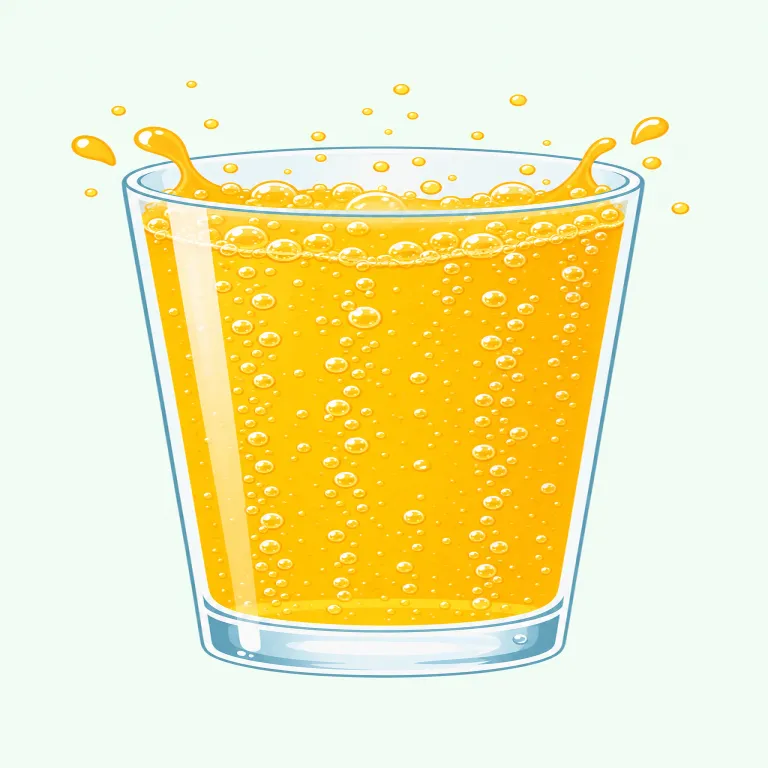
炭酸ガスを含んで泡が立ち、口にするとしゅわしゅわした刺激がある状態を表す形容詞です。主に飲み物について使われますが、泡立つ液体やその爽快な感覚を描写する場合にも用いられます。
If a drink is fizzy, it has many small bubbles of gas in it. The word is commonly used for soft drinks, sparkling water, and similar beverages. It usually describes a lively, slightly sharp feeling in the mouth.
-y は「〜っぽい」「〜に満ちた」で、cloudy / salty / noisy と同じ見方をすると、fizzy は「fizz がある状態」だとつかめます。覚えるときは fizzy drink, fizzy water をセットで入れると実用的。carbonated が成分説明っぽく硬め、sparkling が商品名やや上品なのに対し、fizzy は泡のしゅわしゅわ感をくだけて言う語。飲み物の口当たりを思い出すと定着しやすいです。
Connect it to the sound word `fizz` from bubbles. Add `-y`, which often means "full of" or "having that quality," and `fizzy` becomes easy to feel and remember. `Fizzy drink` and `fizzy water` are useful word pairs to store with it.
The fizzy drink made a satisfying sound when opened.
その炭酸飲料は、開けると気持ちのよい音を立てた。
Children love drinking fizzy lemonade in the summer.
子どもたちは夏に炭酸の効いたレモネードを飲むのが大好きだ。
The fizzy lemonade was refreshing on a hot day.
暑い日に飲む炭酸の効いたレモネードは爽やかだった。
文脈によって、次の意味でも使われます。
人の性格、雰囲気、感情などが活気にあふれ、弾むように明るいことを表します。主に英国のくだけた用法で、炭酸の泡立つ感覚を人の生き生きした様子に移した比喩的な意味です。
fizzy は英語の擬音語 fizz に形容詞語尾 -y が付いた語で、語源は19世紀英語の「シュッと泡立つ音」です。関連語は fizz・fizzle。音そのものから『炭酸がしゅわしゅわする』感覚を表すので、意味がそのまま伝わります。
Fizzy comes from fizz with the adjective ending -y. Fizz is an English sound-imitating word from the 19th century, copying the hissing, bubbling sound of gas or foam. The meaning stayed close to that sound, and then came to describe drinks or liquids full of lively bubbles. A related word is fizzle.
この英単語をクイズで覚えよう