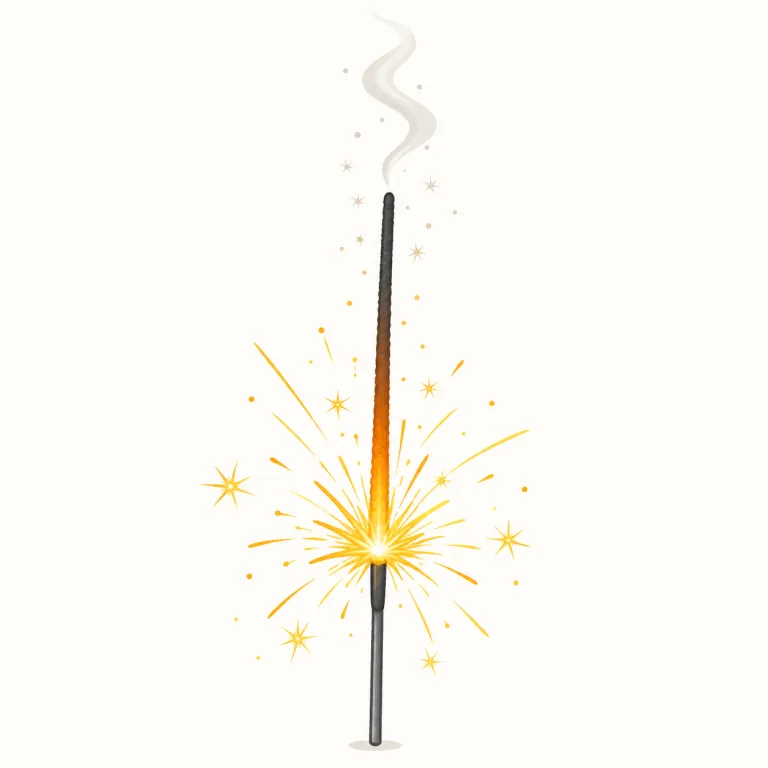
シューシュー[パチパチ]音を立てる
verb 動詞火、導火線、花火などが弱いシューシュー・パチパチという音を立てて燃える。
物事が最初は勢いよく始まったのに、途中から活気や効果を失って弱まり、はっきりした成果も出ないまま終わってしまうことを表します。計画、興味、議論、行事などが期待ほど盛り上がらず、次第に勢いをなくして立ち消えになる場面で使う語です。
To fizzle means to fail, weaken, or end in a disappointing way after showing early promise. It is often used for plans, events, conversations, or excitement that slowly lose energy. The word suggests a weak or gradual ending rather than a sudden stop.
まず頻出の fizzle out をセットで覚えると定着しやすいです。out が付くことで「外へ消えていく」感じになり、最初の勢いがしゅわっと抜けて終わる場面を思い浮かべられます。単なる fail が「失敗する」全般なのに対し、fizzle は start は悪くないのに途中で弱まるのが核心です。plans, discussions, excitement など、期待されたものが盛り下がる文脈でよく使われ、突然止まるというより自然に尻すぼみになる語だと押さえると残ります。
Learn it with `fizzle out`, the most common form. `Fizzle` is not a simple crash or sudden stop; it suggests something loses energy little by little. Picture a plan or discussion that starts with life, then slowly goes weak.
The project started well but fizzled out halfway through.
そのプロジェクトは順調に始まったが、途中で尻すぼみになった。
His enthusiasm fizzled when he realized how much work it was.
それがどれほど手間のかかる仕事かに気づくと、彼の熱意はしぼんでいった。
The debate began with energy but soon fizzled.
その討論は勢いよく始まったが、すぐに尻すぼみになった。
文脈によって、次の意味でも使われます。
火、導火線、花火などが弱いシューシュー・パチパチという音を立てて燃える。
fizzle は近代英語の擬音語 fizz に、反復・継続を表す接尾辞 -le が付いた語です。勢いよく進むのでなく、しゅうっと音を立てて力が抜ける感じから「尻すぼみになる」になりました。fizz、sizzle が関連語です。
Fizzle grew from the sound word fizz, with the ending -le, which often suggests repeated or continuing action. It first gave the idea of something making a weak hissing sound. From that, it came to mean ending in a weak or disappointing way instead of with force. Related words include fizz and sizzle.
この英単語をクイズで覚えよう