意味一覧 (2件)
よろめく
解説 Definition
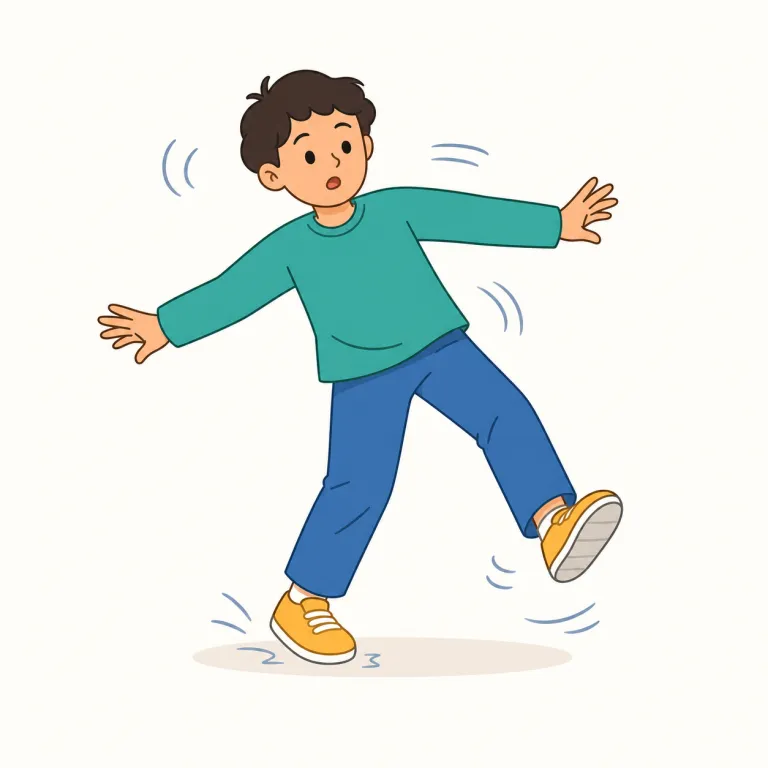
体のバランスをくずして、まっすぐ立ったり歩いたりできず、ふらふら動くことです。疲れたり、けがをしたり、強く押されたりして、足元が安定しない様子を表します。
To stagger means to move unsteadily, as if you might fall. It is used when someone cannot stand or walk straight because of tiredness, injury, or being pushed.
覚え方のコツ Memory Tip
stagger は、まっすぐ進みたいのに左右へ足が流れ、倒れそうになりながら歩く姿で覚えると定着しやすい語です。stumble が何かにつまずく一回の動作を表しやすいのに対し、stagger は疲労・けが・衝撃などでバランスを失い、しばらくふらふら動く感じです。stagger to the bench「よろめきながらベンチへ行く」、stagger after a long run「長距離走の後によろめく」をセットにし、押された人が数歩ふらつく映像に結び付けると混同しにくいです。
Picture someone being pushed and then walking unsteadily. That shaky movement is stagger.
例文
He staggered after the long run.
彼は長く走ったあと、よろめきました。
The injured player staggered to the bench.
けがをした選手はベンチまでよろめいて歩きました。
She staggered when someone pushed her.
だれかに押されて、彼女はよろめきました。
(時間・予定などを)ずらして配置する
(意味 2)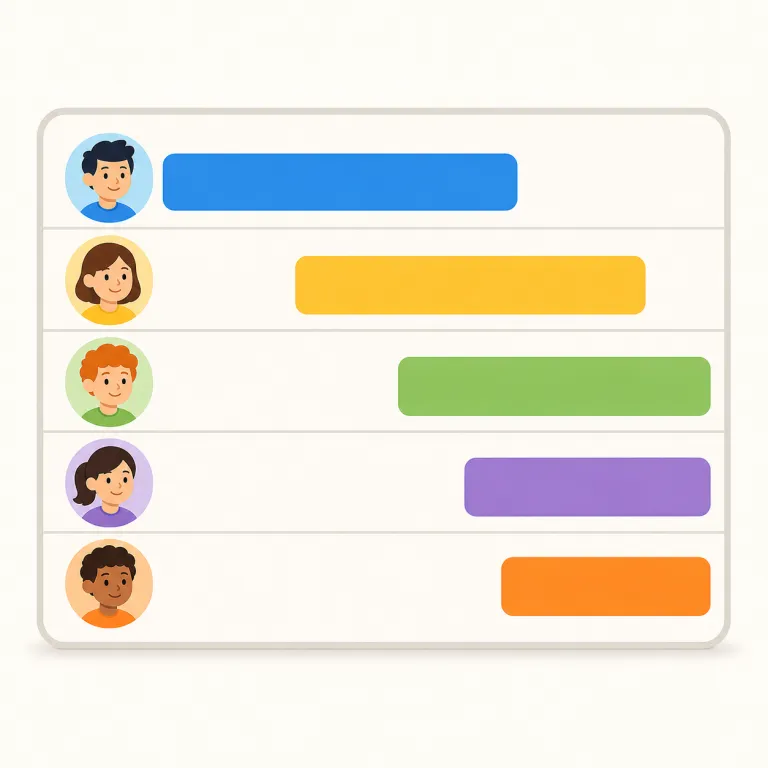
解説 Definition
stagger は、開始時刻や日程、支払いなどが一度に集中しないよう、順番や間隔をずらして配置することを表す動詞。混雑の緩和、業務負担の分散、継続的な人員確保などを目的として使われ、物事を段階的に進めるという含みを持つ。
To stagger something means to arrange times, positions, or events so they do not all happen at once. It is often used for schedules, working hours, or deadlines to make things more manageable or less crowded.
覚え方のコツ Memory Tip
「一斉に並べず、階段の段のように少しずつずらす」と映像で覚えると残りやすい。staggered schedule, stagger start times, stagger payments が頻出で、出勤・授業・支払いを同時集中させない文脈でよく出る。arrange がただ並べるだけなのに対し、stagger は時間差・間隔差をつけて分散するのが核心。staggered は形容詞でも非常によく見る。
Remember `stagger` as `do not start all at once`. You often see it in phrases like `stagger work hours` or `stagger departures`, where things are spread out to reduce crowding or pressure. `Staggered schedule` is a very common collocation.
例文
The company decided to stagger work schedules to reduce congestion.
その会社は混雑を減らすため、勤務時間をずらすことにした。
They stagger the vacation days so that someone is always in the office.
彼らは常に誰かがオフィスにいるよう、休暇日をずらして設定している。
The payments are staggered over twelve months.
支払いは十二か月に分けて段階的に行われる。
stagger の類義語・関連語
類義語
対義語
stagger の語源・成り立ち Etymology
中英語の stakeren や staggeren にさかのぼるとされ、古ノルド語 stakra「押す」と関係があると考えられています。押されて体が安定しなくなる様子から、ふらついて歩く意味につながりました。
Stagger goes back to Middle English stakeren or staggeren. It is thought to be related to Old Norse stakra, meaning "to push," which fits the idea of losing balance.
同じレベルの語彙をもっと
外部辞書で調べる
この英単語をクイズで覚えよう