意味一覧 (4件)
闊歩する
解説 Definition
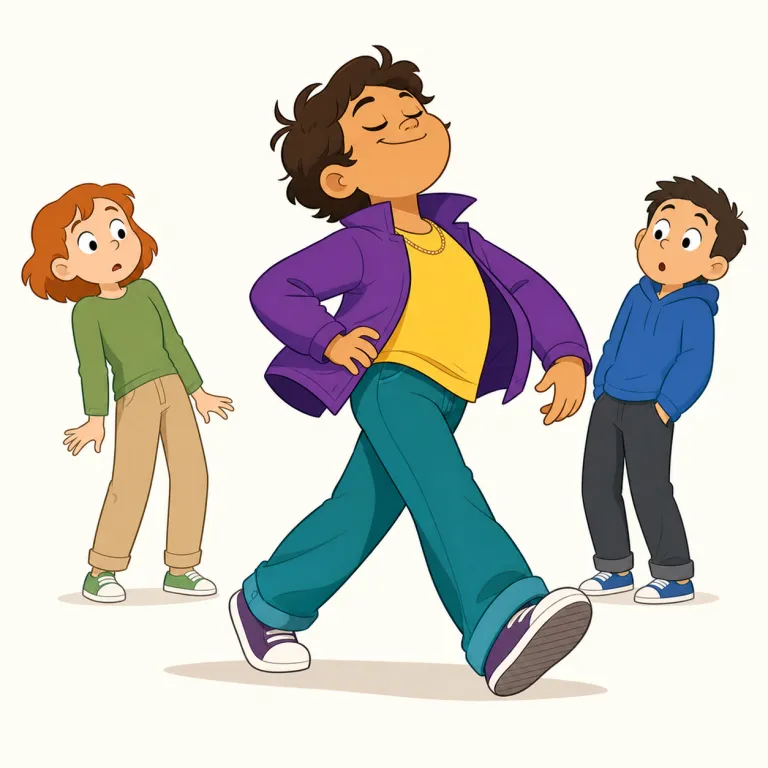
swagger は、肩で風を切るように大げさに歩く、または成果を誇示するように振る舞う動詞。名詞の「いばった態度」を動作にした語で、swagger into/around/about の形で、場を支配したがる身ぶりを描く。
To swagger means to walk or behave in a very confident way that may seem proud or too self-important. It is often used when someone wants other people to notice their confidence or power. The word can be positive or negative depending on the situation.
覚え方のコツ Memory Tip
動詞では swagger into the room のように、移動の仕方そのものに態度が出る場面を思い浮かべる。普通に walk in するのではなく、視線を集めるつもりで入ってくる感じ。swagger about his success なら、歩き方ではなく自慢げな振る舞いに広がる。stagger は「よろめく」で、堂々と見せる swagger とは反対方向の動きなので綴りごと区別する。
`Swagger` is more than walking; it suggests showing confidence in a way people notice. Picture someone who `swaggers into the room` with attitude, not quietly. It is close to `strut`, but `swagger` often includes the whole style and manner, not only the steps.
例文
The champion would swagger into the arena with confidence.
その王者は自信満々に威張ってアリーナに入ってきた。
He tended to swagger when discussing his accomplishments.
彼は自分の業績を語るとき、威張りがちだった。
Don't swagger about your achievements; stay humble.
自分の成果を誇示して威張るのはやめて、謙虚でいてください。
うぬぼれて歩く
(意味 2)解説 Definition
自信を持ち、時には傲慢に歩く振る舞い。自分の力や成功を誇示する。
例文
He swaggered into the room with confidence.
彼は自信満々でうぬぼれながら部屋に歩き入った。
The athlete began to swagger after winning.
その選手は勝利の後、自信満々で歩き始めた。
Don't swagger just because you won once.
1回勝っただけで自信満々で歩くな。
いばった態度
(意味 3)解説 Definition
swagger は、人から見られることを意識した堂々さ・ふてぶてしさを表す名詞。歩き方や服装、発言からにじむ「俺はすごい」という空気で、スター性として褒められることもあれば、いばった態度として反感を買うこともある。
Swagger is a noun for a bold, showy kind of confidence that other people can easily notice. It often appears in the way someone walks, dresses, or speaks, and gives the feeling of "I know I'm impressive." In some situations, swagger looks attractive and star-like, but in others, it can feel arrogant or annoying. The meaning depends a lot on the context and on how the person is seen by others.
覚え方のコツ Memory Tip
名詞では have swagger, with swagger, full of swagger の形をまず押さえるとよい。単なる confidence は内面の自信だが、swagger は外に漂う見せ方や雰囲気まで含む。舞台に立つ歌手の華やかな存在感なら魅力、会議で成果を誇る同僚なら鼻につく態度、というように評価が文脈で揺れる語として覚える。
First learn the common patterns have swagger, with swagger, and full of swagger. Confidence is often about inner belief, but swagger includes the way that confidence is displayed to other people. A singer on stage may have swagger in an exciting, attractive way, while a coworker talking proudly about results may sound annoying. Remember it as a word whose feeling can be positive or negative depending on the situation.
例文
The singer walked onto the stage with real swagger.
その歌手は本物のいばった態度を漂わせながらステージに現れた。
His swagger made him popular with some fans, but others thought he was too full of himself.
彼のいばった態度を魅力的に思うファンもいたが、うぬぼれが強すぎると感じる人もいた。
There was a lot of swagger in the way she presented the team's success at the meeting.
会議でチームの成功を語る彼女の話し方には、かなりいばった態度がにじんでいた。
威張る
(意味 4)解説 Definition
人前で自分を大きく見せ、偉そうに振る舞うことを表す。実力以上に自信満々な態度を見せたり、相手を見下すような場面で使われる。歩き方そのものより、横柄さや気取りのニュアンスが中心になる。
Swagger means to act in a way that makes you look bigger, stronger, or more important than you really are. It is used when someone shows off strong confidence in public and behaves in a proud or bossy way. The word often suggests attitude as much as movement, so it can describe not only the way a person walks but also the way they speak or enter a place. It has a flashier and more annoying feeling than simple confidence.
覚え方のコツ Memory Tip
swagger は「ただ歩く」ではなく、歩き方や話し方に“見せつける自信”が乗る語。with swagger, swagger into the room の形で、「周囲に自分の勢いを感じさせながら入ってくる」場面と結びつけると覚えやすい。strut も似るが、swagger は足取りだけでなく態度全体や話しぶりにも広がる。confidence より鼻につき、arrogance ほど露骨に悪意一色ではない、「実力や勝ち気さを前に出す威勢のよさ」という芯を押さえると定着する。
Remember that swagger is not just about walking. It is the kind of movement or speech that shows confidence to other people, as in with swagger or swagger into the room. It is close to strut, but swagger can describe the whole attitude, not only the steps. Think of someone pushing their energy and pride forward so everyone around them can feel it.
例文
He swaggered into the meeting as if he owned the company.
彼はまるで会社の持ち主のように威張って会議に入ってきた。
She likes to swagger when her friends are watching, but she is quieter alone.
彼女は友達が見ていると威張りたがるが、一人だともっとおとなしい。
The young boxer swaggered through the interview, talking like he had already won.
その若いボクサーはもう勝ったかのような口ぶりで、威張りながらインタビューを受けていた。
swagger の語源・成り立ち Etymology
swagger は16世紀英語で、北欧系の「揺れる・ふらつく」に通じる語から来たとされます。体を左右に振って歩く感じが核で、そこから「威張って闊歩する」へ発展しました。関連語には swag や sway に近い語感があり、誇示する動きが意味を生んだと考えると腑に落ちます。
Swagger appeared in English in the 16th century and is probably related to Scandinavian or Germanic words for swaying or moving heavily from side to side. The original feeling was physical: a rolling, unsteady walk. That motion then came to suggest proud, showy behavior, which shaped the modern sense.
外部辞書で調べる
この単語を英単語クイズで覚えよう