えいたんごクイズ
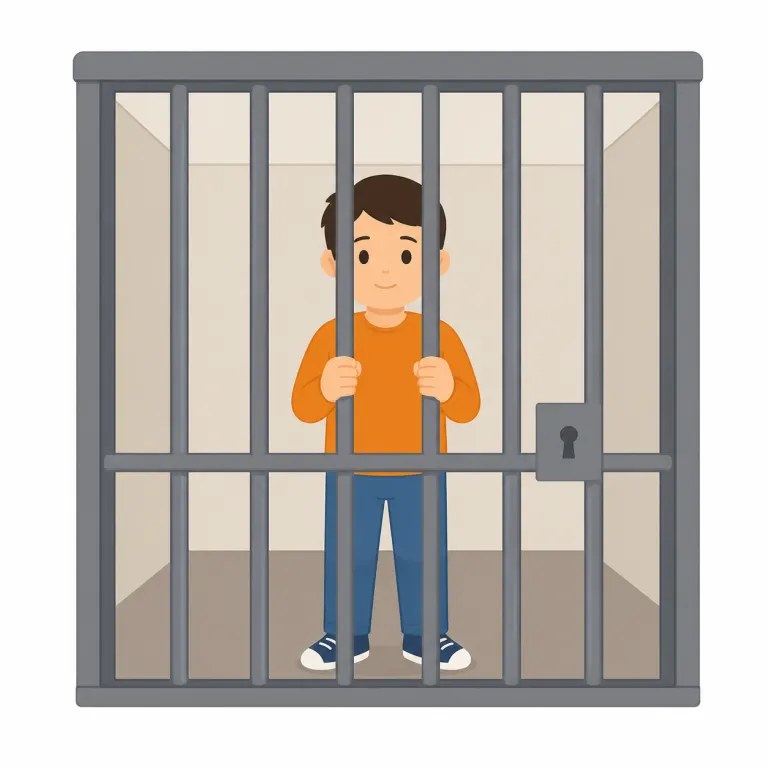
imprison(投獄する・動詞)の覚え方イラスト — このエントリは imprison の「監禁する」という広い基本義とは別に、法的処罰として人を刑務所に入れる「投獄する」を覚えるためのものです

imprison

/ɪmˈprɪzən/

imprison は英検準1級レベルの英単語で、「投獄する、監禁する、獄に入れる」という意味があります。発音記号は /ɪmˈprɪzən/ です。

意味一覧 (3件)

verb

投獄とうごくする

解説 Definition

犯罪者を刑務所に入れて自由を奪うこと。または、何かを閉じ込めてその自由を奪うこと。

To imprison means to put someone in prison or keep them there. It is used in legal and criminal contexts when a person is officially locked up as punishment or control. It can also be used more broadly for keeping someone trapped, though that is less literal.

覚え方のコツ Memory Tip

このエントリは imprison の「監禁する」という広い基本義とは別に、法的処罰として人を刑務所に入れる「投獄する」を覚えるためのものです。prison を中心に、court, judge, sentence, criminal, for ten years など司法・刑罰の語と一緒に出るときはこの意味になりやすいです。arrest は逮捕の時点、imprison は判決後などに自由を奪って収容する段階を表します。

If you know `prison`, this word is easy to build. `Imprison` basically means “put into prison,” with `im-` giving the idea of “in” or “into.” Compare it with `arrest`: police can arrest someone first, and later the person may be imprisoned.

例文

The court decided to imprison the convicted criminal for ten years.

裁判所は有罪判決を受けた犯罪者を10年間投獄することに決めた。

The oppressive regime continued to imprison political dissidents without trial.

その抑圧的な体制は、裁判なしに政治的反対派を投獄し続けた。

The fear of failure seemed to imprison her dreams and ambitions.

失敗の恐れは彼女の夢と野心を閉じ込めてしまっているようだった。

verb

監禁かんきんする

(意味 2)

解説 Definition

人を部屋や建物などから出られない状態にして、自由を奪う意味です。犯罪・誘拐・戦時下の拘束など、法律上の刑務所に限らず物理的に閉じ込める場面で使われます。主語は人・組織・状況などで、受け身もよく見ます。

To imprison someone means to keep that person in a room, building, or other place so they cannot leave and lose their freedom. It is often used for crimes such as kidnapping, illegal detention, or wartime capture, and it does not only mean sending someone to an official prison. The subject can be a person, a group, an organization, or even a situation, and the passive form is also common.

覚え方のコツ Memory Tip

prison は「刑務所」ですが、imprison は必ずしも公的に刑務所へ送る場合だけではありません。im- は in/into の感覚で、誰かを逃げられない場所の中に入れて自由を奪う、と考えると「監禁する」に結びつきます。confine は範囲を限る広い語、trap は偶然や罠で閉じ込める感じが強く、imprison は人の自由を意図的に奪う重さがあります。

Think of prison first, but remember that imprison does not only mean sending someone to an official prison. The prefix im- has the sense of putting someone into a place they cannot escape from. This helps connect the word to the idea of taking away a person's freedom on purpose. Compared with confine or trap, imprison usually sounds heavier and more intentional.

例文

The kidnappers imprisoned the man in a small room for three days.

誘拐犯たちはその男性を小さな部屋に3日間監禁した。

Several political opponents were imprisoned during the conflict.

その紛争中、数人の政治的反対者が監禁された。

She felt imprisoned by the locked doors and barred windows.

鍵のかかった扉と鉄格子の窓のせいで、彼女は監禁されたように感じた。

verb

ごくれる

(意味 3)

解説 Definition

人を刑務所に入れること。法的な罰として誰かを獄に投獄する行為。

例文

The court decided to imprison the criminal for twenty years.

その裁判所は犯人を20年間獄に入れることにしました。

They threatened to imprison him if he didn't pay the debt.

彼らが借金を払わなければ彼を獄に入れると脅しました。

The government imprisoned political opponents without trial.

その政府は裁判なしに政治的反対者を獄に入れました。

imprison の語源・成り立ち Etymology

imprison は im-『中へ』+prison『牢獄』で、『牢の中に入れる』が原義です。prison は古フランス語経由でラテン語 prehensio『捕えること』にさかのぼるため、『捕らえて閉じ込める』→『投獄する』と理解できます。関連語は prison、apprehend です。

Imprison is built from im-, meaning "in" or "into," and prison, so its basic sense is "put into prison." Prison came through Old French from Latin roots connected with seizing or taking hold, seen also in apprehend. The meaning developed in a direct way from "capture and shut in" to "put in jail."

外部辞書で調べる

この単語をシェア

この単語を英単語クイズで覚えよう