牢獄のような場所、束縛
noun 名詞比喩的に、自由を奪い、人を閉じ込めているように感じさせる場所や状況を指します。The house became a prison のように、実際の刑務所ではない対象にも使われます。
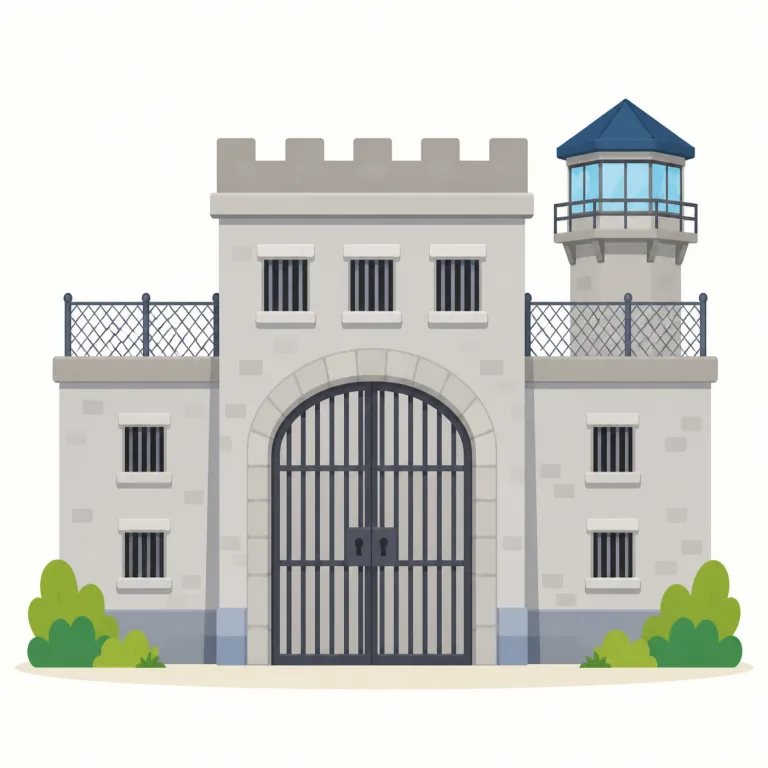
prison は英検準2級・TOEIC 730・TOEFL 60・IELTS 5.5レベルの英単語で、「刑務所」という意味があります。発音記号は /ˈprɪzən/ です。
犯罪を犯した人が刑罰として収容される施設で、法律によって自由を奪われた人々が生活しています。政府が管理し、受刑者は秩序的な生活を送るよう努めながら社会復帰を目指します。一定の期間を経て責任を果たしたと判断されれば釈放されることがあります。
A prison is a place where people are kept as punishment after being found guilty of serious crimes. It is part of the legal and criminal justice system. In everyday English, it usually refers to a secure building where people cannot leave freely.
prison は単独で覚えるより、prisoner(囚人), imprison(投獄する)と並べて「prison を中心に人・行為へ広がる語族」として押さえると定着しやすいです。似た語 jail もありますが、prison はより正式で、長期の収容施設を指す響きが強いことが多め。go to prison, be sent to prison, in prison など前置詞つきの形で覚えると実際の文で迷いません。the prison system のように建物そのものだけでなく制度全体を指す使い方も頻出です。
Learn it with its word family: `prison`, `prisoner`, `imprison`. That makes it easier to remember the place, the person, and the action together. Also fix common phrases like `go to prison` and `be in prison` in your mind.
The prison is near the town.
その刑務所は町の近くにあります。
He is in prison now.
彼は今、刑務所にいます。
The prison has a high wall.
その刑務所には高い壁があります。
文脈によって、次の意味でも使われます。
比喩的に、自由を奪い、人を閉じ込めているように感じさせる場所や状況を指します。The house became a prison のように、実際の刑務所ではない対象にも使われます。
prison は古フランス語 prisun を経て、ラテン語 prehensio/prensio「つかまえること」にさかのぼり、核の語根は「つかむ」です。apprehend や comprehend も同系で、刑務所は建物名というより、まず「捕らえられた状態」から出た語だとわかります。
Prison came through Old French prisun and goes back to Latin forms such as prensio or prehensio, meaning a seizing or catching. At first the core idea was not the building itself but the state of being seized and held. Later it came to mean the place where captured people were kept. Related words from the same root include apprehend and comprehend.
この英単語をクイズで覚えよう