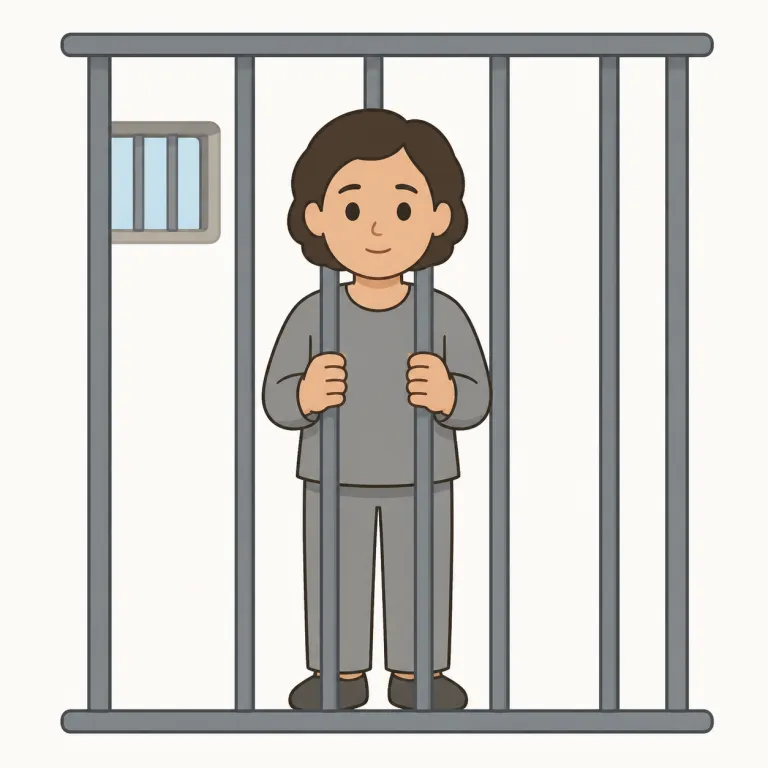
prisoner
prisoner は英検準2級・TOEIC 730・TOEFL 60・IELTS 5.5レベルの英単語で、「囚人、捕虜」という意味があります。発音記号は /ˈprɪzənɚ/ です。
意味一覧 (2件)
囚人
解説 Definition
捕らえられて自由を奪われている人を指します。刑務所にいる受刑者だけでなく、拘束された人や戦争捕虜なども含む語です。
A prisoner is a person who is kept in a prison or held by force and not free to leave. The word is often used in legal, police, and war-related contexts. It focuses on the person's lack of freedom.
覚え方のコツ Memory Tip
prisoner は prison「刑務所・拘禁」+人を表す -er と分け、「捕らえられて自由を奪われた人」と覚えると定着しやすい語です。ただし刑務所で刑に服す人だけとは限らず、拘束された人や prisoner of war「戦争捕虜」も含みます。guard「看守・警備員」、escape「脱走する」、release a prisoner「囚人を釈放する」と組み合わせて覚えましょう。criminal は犯罪者であることに重点がありますが、prisoner は現在捕らえられている状態に重点がある、と使い分けると混同しにくいです。
See the base word `prison`, then add `-er` for a person. A `prisoner` is a person kept in prison or held captive, so think first about the condition of being held, not only about crime. That helps you separate it from `criminal` or `suspect`.
例文
The prisoner left the prison after ten years.
その囚人は10年後に刑務所を出ました。
The guards watched the prisoners in the exercise yard.
警備員は運動場にいる囚人たちを見守っていました。
The prisoner asked the judge for help.
その囚人は裁判官に助けを求めました。
捕虜
(意味 2)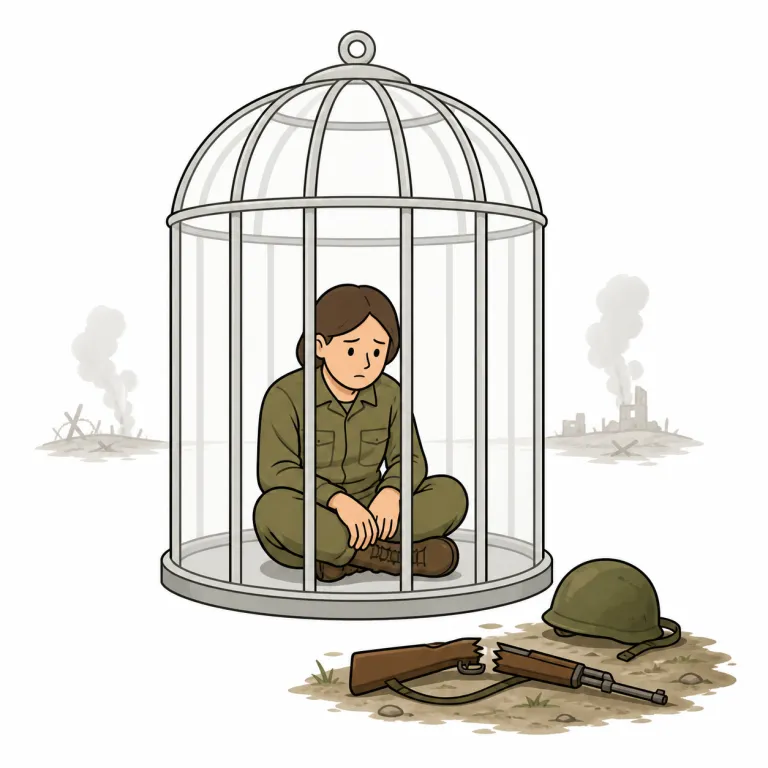
解説 Definition
戦争や武力衝突で敵に捕らえられ、拘束されている人を指す名詞です。ふつうの犯罪で刑務所に入っている「囚人」ではなく、兵士や戦闘参加者が戦闘後に身柄を押さえられた場面でよく使われます。国際法や捕虜交換の話題でも頻出です。
A person captured and held by the enemy during a war or armed conflict. The word often refers to a soldier or other participant in the fighting who has lost their freedom after capture.
覚え方のコツ Memory Tip
prisoner は、まず prison(刑務所)を見て、そこにいる人を表す -er が付いた形だと捉えると覚えやすいです。意味の中心は「悪いことをした人」そのものではなく、「拘束・収監されている人」という状態。なので criminal は犯罪者一般、suspect は容疑者、prisoner は捕らえられて自由を失っている人、と切り分けると混同しにくくなります。war prisoner(戦争捕虜)のように、必ずしも普通の受刑者だけを指さない点も記憶のフックになります。
Use prison and the person ending -er as a reminder of someone held without freedom. For this sense, picture a soldier captured during a battle. Remember taken prisoner and prisoner of war to keep the wartime meaning clear.
例文
The army sent the prisoners home after the war.
軍は戦争が終わったあと、捕虜たちを家に帰した。
The soldier was taken prisoner during the battle.
その兵士は戦闘中に捕虜になった。
The soldiers gave food to the enemy prisoners.
兵士たちは敵の捕虜に食べ物を与えた。
えいたんごクイズでの正答率
この語をはじめて出題された 35人 のうち 29人 が正解しました(83%)。
えいたんごクイズの回答から集計した独自データです。1人につき最初に出題されたときの1回だけを数えており、復習や2回目以降の回答、「わからない」と時間切れは含みません。 集計時点は 2026年9月19日 です。
prisoner の類義語・関連語
類義語
紛らわしい語
prisoner の語源・成り立ち Etymology
Middle English prisoner を経て、古フランス語 prisonier に由来します。語幹 prison はラテン語 prehendere(つかむ・捕える)にさかのぼり、-er は「人」を表すので、「捕えられた状態にある人」だと考えると意味が腑に落ちます。関連語は prison, apprehend.
"Prisoner" came into English from Old French prisonier, based on "prison." The deeper root is Latin prehendere, meaning "to seize" or "to grasp," which also appears in "apprehend." The word first meant a person who had been captured, and then more specifically someone kept in prison.
同じレベルの語彙をもっと
英検準2級の一覧へ →外部辞書で調べる
この英単語をクイズで覚えよう