制約に縛られた人・もの
noun 名詞人や組織が、他者の要求や不利な事情に縛られて自由に判断・行動できない状態を比喩的に表す。become a hostage to ... などの形で使い、実際に身柄を拘束された人質ではない場合にも用いられる。
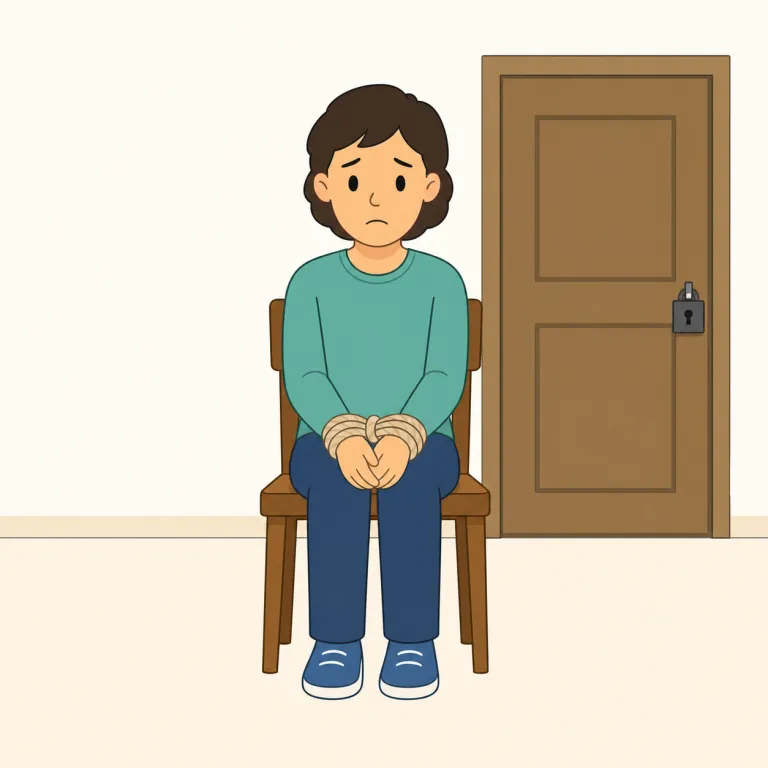
hostage は英検2級レベルの英単語で、「人質」という意味があります。発音記号は /ˈhɑːstɪdʒ/ です。
何らかの要求を聞き入れさせるために、相手の自由を奪って拘束されている人を人質という。その身柄を押さえておき、要求に応じるまで解放しないのが典型的な形です。人質事件は政府や交渉者にとって責任の重い事案になります。
A hostage is a person who is kept by force so that others will do something. This word is used in serious situations such as crime, war, or political conflict. It has a strong negative meaning.
hostage は単独で『人質』と覚えるより、take someone hostage / hold someone hostage / be held hostage の固まりで入れると定着しやすいです。中心イメージは『相手に要求をのませるため、自由を奪われ、交渉の材料にされる人』。kidnap は「連れ去る行為」、hostage はその結果として拘束されている人を指すことが多い語。ニュースでよく出る hostage crisis, hostage negotiation まで一緒に覚えると、場面ごと頭に残ります。比喩的に be held hostage by debt のように『〜に身動きを奪われる』にも広がります。
Do not learn `hostage` alone. Learn it in chunks like `take someone hostage`, `hold someone hostage`, and `be held hostage`. It often appears in news phrases such as `hostage crisis` and `hostage negotiation`, which makes the word easier to remember.
The police helped the hostage escape.
警察は人質が逃げるのを助けた。
The group wanted money to free the hostage.
その集団は人質を解放するために金を要求した。
They kept several hostages inside the building.
彼らは数人の人質を建物の中に拘束していた。
この語をはじめて出題された 51人 のうち 39人 が正解しました(76%)。
えいたんごクイズの回答から集計した独自データです。1人につき最初に出題されたときの1回だけを数えており、復習や2回目以降の回答、「わからない」と時間切れは含みません。 集計時点は 2026年9月19日 です。
文脈によって、次の意味でも使われます。
人や組織が、他者の要求や不利な事情に縛られて自由に判断・行動できない状態を比喩的に表す。become a hostage to ... などの形で使い、実際に身柄を拘束された人質ではない場合にも用いられる。
hostage は古フランス語 ostage に由来し、さらにラテン語 hospes「客・よそ者」につながります。host と hospital も同系で、本来は『よそから来た人を預ける』感覚があり、そこから『保証のため差し出す人質』へ発展したと見ると意味の重さが分かります。
Hostage comes from Old French ostage, linked in the end to Latin hospes, meaning stranger, guest, or host. The word originally had the sense of a person handed over as a pledge or guarantee between groups. Over time, that idea became the stronger modern sense of a person kept as security, and it is distantly related to host and hospital.
この英単語をクイズで覚えよう