監禁、拘束
noun 名詞刑罰として刑務所に入れる場合に限らず、人を一定の場所に閉じ込めて自由を奪うことを指します。家庭や施設での不法な監禁にも使われ、法的に科された処罰である必要はありません。
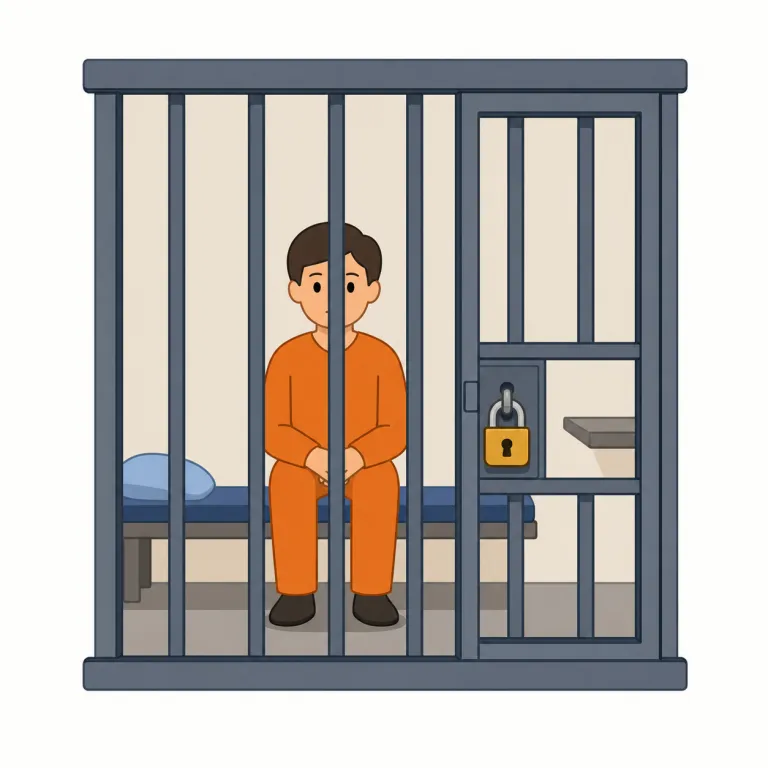
imprisonment は英検準1級レベルの英単語で、「投獄」という意味があります。発音記号は /ɪmˈprɪzənmənt/ です。
投獄とは、犯罪人を刑務所に入れて自由を奪う懲罰です。法的に科される罰の一形態です。
Imprisonment is the state of being put in prison, or the punishment of sending someone to prison. It is mainly used in legal and criminal justice contexts. The word often refers to a period of time spent in jail or prison.
まず prison「刑務所」が見えれば半分取れます。imprison は in + prison と感じて「刑務所の中に入れる」→「投獄する」。そこに -ment が付くと action/result の名詞になり、imprisonment は「投獄という処分・その状態」。prisoner(囚人), imprison(投獄する), life imprisonment(終身刑)をまとめて覚えると強いです。punishment は罰全般ですが、imprisonment はその中でも「自由を奪って閉じ込める」法的処分に絞られる点を意識すると迷いません。
Look for the word `prison` inside it. `Imprison` feels like putting someone into prison, and `-ment` turns that action into a noun. Learn the family together: `prison`, `prisoner`, `imprison`, `imprisonment`.
Imprisonment is a serious punishment for crimes.
投獄は犯罪に対する重い罰です。
The judge sentenced him to five years' imprisonment.
判事は彼に5年の禁錮刑を言い渡しました。
Life imprisonment means staying in prison until death.
終身刑とは死ぬまで刑務所にいることです。
文脈によって、次の意味でも使われます。
刑罰として刑務所に入れる場合に限らず、人を一定の場所に閉じ込めて自由を奪うことを指します。家庭や施設での不法な監禁にも使われ、法的に科された処罰である必要はありません。
imprisonmentはim-「中へ」+ prison「牢」+ -ment「こと」から成り、古フランス語経由でラテン語系にさかのぼります。prisonやprisoner、さらにapprehendと同じ「つかむ」系の核を思うと、単に閉じ込めるのでなく「捕らえて中に入れること」だと見えてきます。
Imprisonment is built from im- meaning "into," prison, and the noun ending -ment. Prison came through Old French from Latin-based forms connected with the idea of seizing or holding. So the word developed from the idea of putting someone into custody to the state or act of being kept in prison.
この英単語をクイズで覚えよう