水をせき止める、貯水する
verb 動詞河川や流水をダム、堤防などでせき止め、貯水池などにためることをいいます。財産を法的に差し押さえて保管する既存義とは異なり、水の流れを物理的に封じて蓄える文脈で使われます。
法的な権限に基づいて財産や車両などを押収・差し押さえること。没収する。
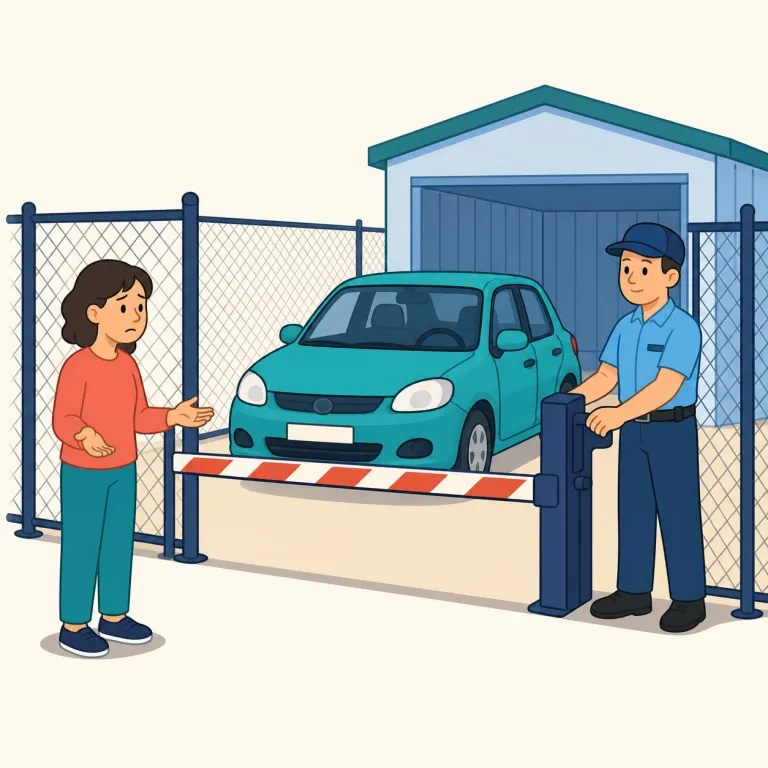
Impound means to take and keep something officially, usually by legal authority. It is often used for vehicles, animals, or property that are seized because of a rule, law, or unpaid fee. The word suggests temporary holding under control.
ニュースの定番句として "The police impounded the car." を丸ごと覚えると定着しやすい語です。主語は police / authorities、目的語は car, vehicle, boat, animal になりやすい。seize が「つかんで押さえる」瞬間寄り、confiscate が「没収して取り上げる」寄りなのに対し、impound は「公的に持っていって保管場所に留め置く」感じが強い。違法駐車の車がレッカーされて impound lot に入る場面を一緒に思い浮かべると、単なる『取る』ではなく『押収して留める』と覚えられる。
Remember the common news sentence: `The police impounded the car.` The word often goes with `car`, `vehicle`, `boat`, or even `animal`. Unlike simply `seize`, `impound` suggests authorities take something away and keep it in an official place, like an impound lot.
The police decided to impound the vehicle because it was parked illegally.
違法駐車されていたため、警察はその車両をレッカー移動して保管することにした。
Customs officers have the authority to impound goods suspected of being counterfeit.
税関職員には偽造品の疑いがある商品を差し押さえる権限がある。
If you fail to pay the fines, the court may impound your property.
罰金を支払わなければ、裁判所があなたの財産を差し押さえる可能性がある。
文脈によって、次の意味でも使われます。
河川や流水をダム、堤防などでせき止め、貯水池などにためることをいいます。財産を法的に差し押さえて保管する既存義とは異なり、水の流れを物理的に封じて蓄える文脈で使われます。
impound は in-「中へ」と pound「囲い・家畜小屋」から成り、もとは「囲いに入れる」が原義です。そこから動物や物を公的に留め置く意へ広がり、文字どおり“中へ閉じ込める”感覚で覚えられます。同系語は pound です。
Impound comes from in-, meaning "into," and pound, an old word for an enclosure or pen. It first meant to put something inside a fenced space, especially animals. Later, the meaning widened to keeping animals, vehicles, or property under official control. The word pound in this older sense is its close relative.
この英単語をクイズで覚えよう