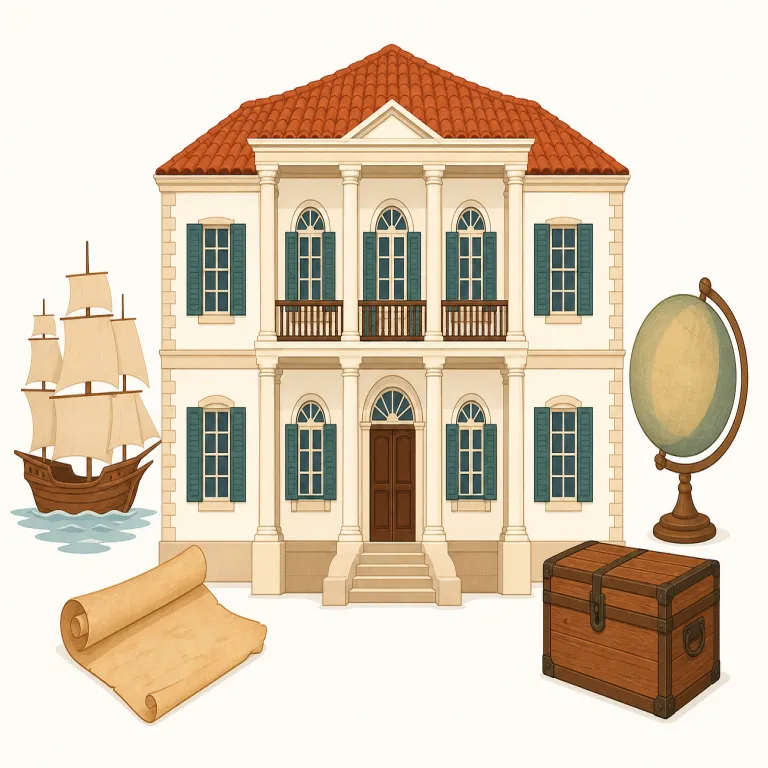
植民地時代の
解説 Definition
植民地に関連する、または植民地支配に関する。過去に強い国が弱い国を支配した時代に関連する形容詞。
Colonial describes something connected with colonies or with the time when one country controlled another land. It is often used in history, politics, architecture, and culture. The word usually carries the idea of foreign rule and its effects.
覚え方のコツ Memory Tip
colonial はまず colony(植民地)を知っていれば覚えやすい語です。語尾 -al は「〜に関する」なので、「colony に関する」→「植民地の・植民地時代の」と取れます。colonize(植民地化する)、colonist(入植者)と同じ語群でまとめると定着しやすいです。colonial rule, colonial era, colonial history, colonial architecture のように、歴史・支配・建築など「植民地支配の背景がある文脈」でよく使われます。単なる foreign ではなく、政治的・歴史的な重みを持つ形容詞だと押さえるのがコツです。
Remember this meaning through set phrases like `colonial era`, `colonial architecture`, and `colonial town`. The word often points to things that belong to or still show the style of a period under colonial rule. It is more specific than just `old` or `historic` because it carries that historical background with it.
例文
Colonial architecture is still visible in many old cities.
多くの古い都市では植民地時代の建築がまだ見られる。
The colonial period had a significant impact on the culture.
植民地時代はその文化に大きな影響を与えた。
Colonial powers exploited the resources of the regions they controlled.
植民地支配国は支配地域の資源を搾取した。
植民地の
(意味 2)
解説 Definition
植民地そのものや、宗主国による支配・行政・制度に関係することを表す形容詞。歴史、政治、経済、教育などの文脈で、ある地域が植民地として置かれている状態や、その仕組みに触れるときに使う。『植民地時代の』より広く、時代ではなく性質や所属を示せる。
This adjective describes something connected with a colony or with the rule, administration, and institutions imposed by a controlling country. It is commonly used in historical, political, economic, and educational contexts.
例文
The textbook explains how colonial administration worked in the region.
その教科書は、その地域で植民地統治がどう機能していたかを説明している。
Many colonial schools taught the language of the ruling power.
多くの植民地の学校では支配国の言語が教えられていた。
The archive preserves records of colonial trade and taxation.
その公文書館は植民地統治下の貿易と課税の記録を保存している。
コロニアル様式の
(意味 3)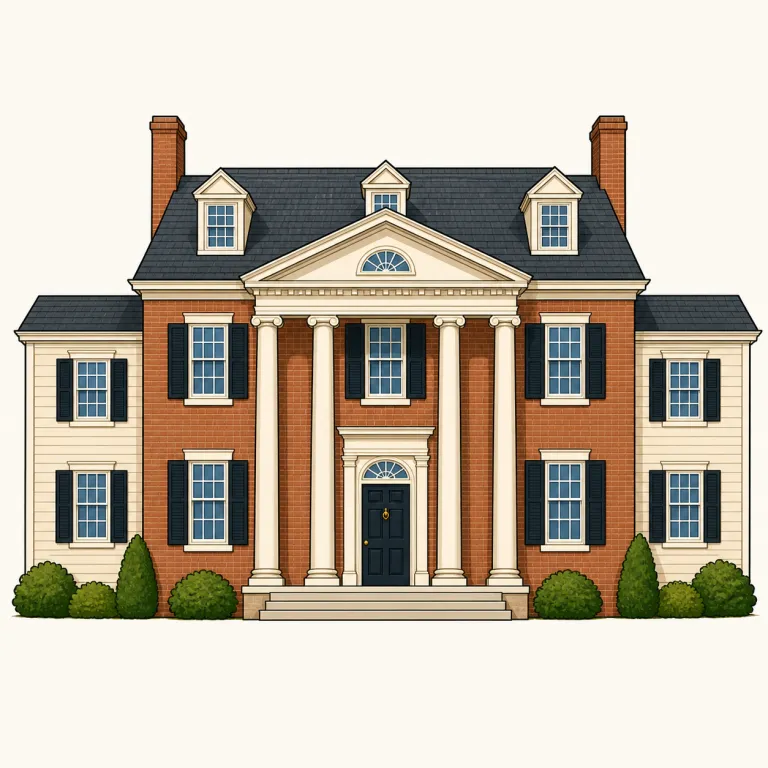
解説 Definition
建築や家具、内装について、植民地時代に広まった意匠を受け継ぐ様式を表す形容詞。白い柱、広いベランダ、左右対称の外観などを連想させることが多く、住宅やホテルのデザイン説明でよく使う。単に古いという意味ではなく、特定の様式感を指す。
This adjective describes a style of architecture, furniture, or interior design derived from designs that spread during periods of colonial rule. It is often associated with features such as white columns, broad porches, and symmetrical exteriors rather than simply being old-fashioned.
覚え方のコツ Memory Tip
colonial は colony(植民地)に -al「〜に関する」が付いた語ですが、この行では歴史説明そのものではなく「植民地時代風の様式」として覚えるのがコツです。colonial house, colonial furniture, colonial architecture のように、白い柱、広いポーチ、左右対称の外観などを思い浮かべると定着しやすいです。単に old-fashioned「古風な」ではなく、植民地時代に由来する建築・家具のデザイン名だと切り分けましょう。
Connect colonial with colony plus -al, but focus here on a design style associated with the colonial period. Picture a colonial house with white columns, a wide porch, and a balanced, symmetrical front.
例文
They restored a colonial house with a long front porch.
彼らは長いフロントポーチのあるコロニアル様式の家を修復した。
The resort uses colonial furniture in its main lounge.
そのリゾートはメインラウンジにコロニアル様式の家具を使っている。
She likes the clean symmetry of colonial architecture.
彼女はコロニアル様式の建築が持つ端正な左右対称を好んでいる。
colonial の類義語・関連語
colonial の語源・成り立ち Etymology
ラテン語 colonia「入植地・耕作地」が語源で、colonus「耕す人・入植者」、さらに colere「耕す・住む」にさかのぼります。語尾 -al は「〜に関する」。だから colonial は「植民地に関する」という意味になります。関連語は colony, colonize。
Colonial comes from Latin colonia, meaning "settlement" or "farm," from colonus "farmer, settler," and ultimately from colere "to cultivate" or "to live in a place." The ending -al means "related to." So the word first carried the idea of something connected with settlement and cultivation, and later became closely tied to colonies and colonizing power; colony and colonize are related words.
同じレベルの語彙をもっと
外部辞書で調べる
この英単語をクイズで覚えよう