定着、集団形成
noun 名詞生物が新しい地域や環境に入り込み、そこで繁殖して個体群を形成する過程を指す。医学・微生物学では、細菌などが人体の一部に定着することにも使われ、必ずしも感染や発病を意味しない。
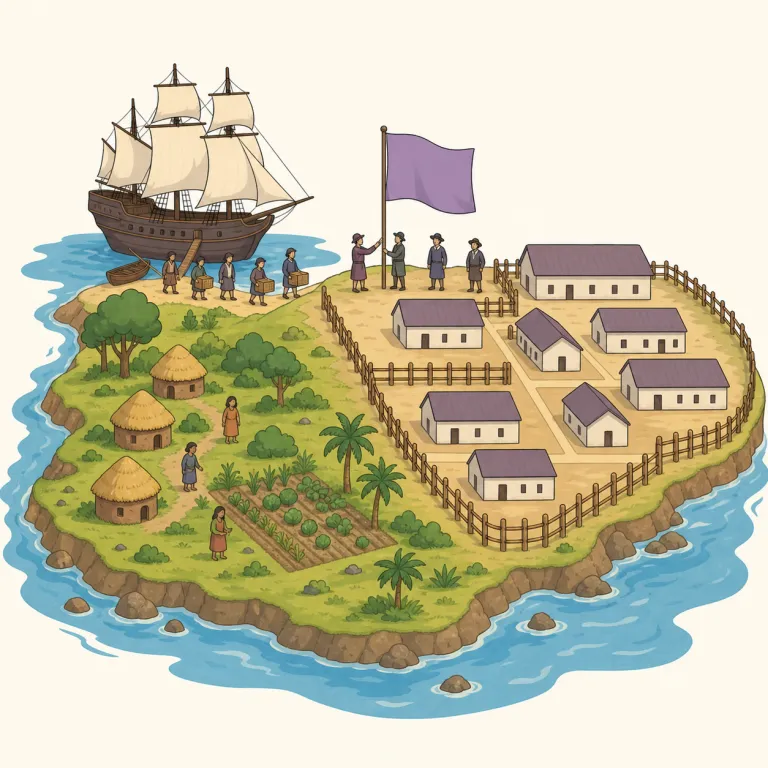
強い国が弱い国や地域を支配下に置く過程。植民地支配の歴史的な現象。
Colonisation is the process by which one country takes control of another land and settles there, usually ruling the local people. It is mainly used in history, politics, and social studies. The word often carries a negative meaning because of exploitation and loss of independence.
まず colony(植民地)を軸に語族で覚えるのが近道です。colony は「場所」、colonise は「植民地にする」、colonisation は「植民地化という過程・進行中の現象」を表す名詞。歴史では European colonisation of Africa のように地域名と結びつきやすいです。似た colonialism は「植民地主義・その考え方や体制」寄りで、colonisation は実際に支配を広げていく動きそのもの。つづりは colonise + -ation、米語では colonization になる点もセットで押さえると定着しやすいです。
Use the word family: `colony`, `colonise`, `colonisation`. `Colony` is the place, `colonise` is the action, and `colonisation` is the process. It also helps to compare it with `colonialism`, which is more about the system or idea than the actual spread.
The colonisation of Africa had profound and lasting effects on the continent.
アフリカの植民地化は大陸に深刻で長期的な影響をもたらした。
European powers competed in the colonisation of territories in Asia.
ヨーロッパの列強は、アジアの領土の植民地化をめぐって競い合った。
The colonisation process brought disease and conflict to indigenous populations.
植民地化の過程は先住民に病気と紛争をもたらした。
文脈によって、次の意味でも使われます。
生物が新しい地域や環境に入り込み、そこで繁殖して個体群を形成する過程を指す。医学・微生物学では、細菌などが人体の一部に定着することにも使われ、必ずしも感染や発病を意味しない。
colonisation は colonise+-ation。colon- はラテン語 colonus「耕作者・入植者」、さらに colere「耕す・住む」にさかのぼり、土地に住みつき耕す発想から「植民地化」になった。関連語は colony, colonist。
Colonisation comes from colonise plus the ending -ation. The root goes back to Latin colonus, meaning "farmer" or "settler," from colere, meaning "to cultivate" or "to live in a place." From the idea of settling on land and working it, the word developed into the sense of establishing colonies; related words include colony and colonist.
この英単語をクイズで覚えよう