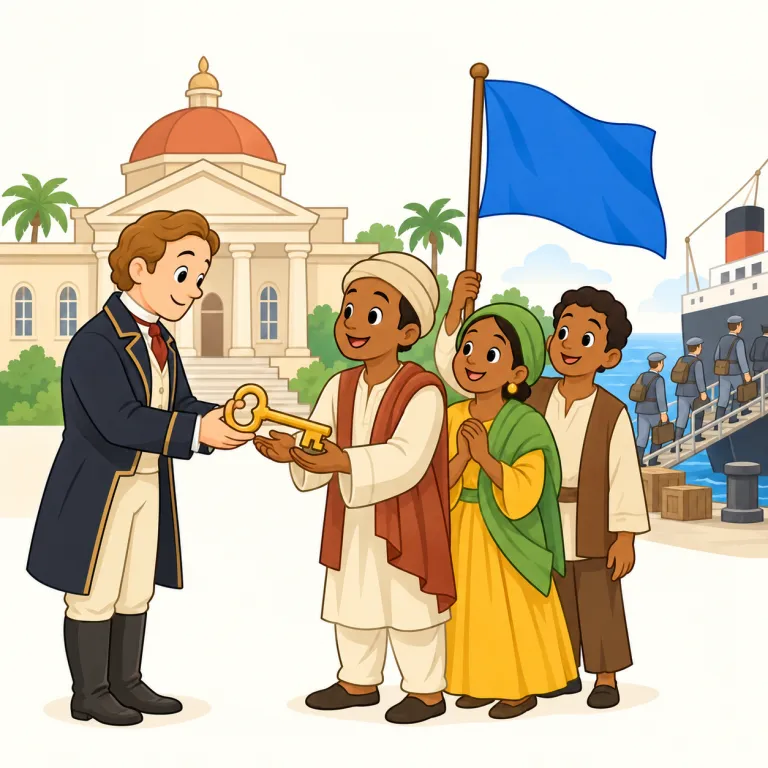
植民地主義的影響の除去
noun 名詞政治的独立だけでなく、教育・文化・学問・組織などから植民地主義の影響や価値観を取り除く過程も指す。decolonisation of the curriculum のように用い、制度や知識体系の見直しを強調する。
植民地支配下にある地域が独立を獲得する過程。支配国からの統治が終わり、自治権を取り戻すことをいう。
Decolonisation is the process in which a colony gains independence and colonial rule ends. It can also mean removing colonial influence from ideas, education, culture, or institutions. This is the British spelling; American English usually uses "decolonization."
de- は「外す・取り去る」、colony・colonial・colonize を知っていれば「植民地状態を外していくこと」と組み立てて覚えやすい語。名詞語尾の -ation / -isation は「過程・作用」を表すので、単なる出来事ではなく歴史的な流れを指す感覚を持つと定着しやすい。independence が「独立という結果」寄りなのに対し、decolonisation は宗主国の支配をほどき、自治を回復していくプロセス全体を指す。英式は -sation、米式は decolonization。
Break it into parts: `de-` means removing or undoing, and `colonisation` is about colonial rule. So the word suggests taking away that colonial control step by step. It is useful to remember it as a long historical process, not just one single event.
Decolonisation movements gained momentum.
脱植民地化運動は勢いを増した。
The decolonisation process was gradual.
脱植民地化プロセスは段階的だった。
Decolonisation brought independence.
脱植民地化は独立をもたらした。
文脈によって、次の意味でも使われます。
政治的独立だけでなく、教育・文化・学問・組織などから植民地主義の影響や価値観を取り除く過程も指す。decolonisation of the curriculum のように用い、制度や知識体系の見直しを強調する。
decolonisation は de-(取り除く)+ colonisation から成り、colony はラテン語 colonia(入植地)に由来します。さらに語源の colere は「耕す・住みつく」で、土地に根を下ろす感覚が帝国の「植民地」へ変化し、そこから「その支配をほどく」意味になりました。関連語は colonial, culture。
Decolonisation is made from de- "remove, undo" and colonisation. Colony comes from Latin colonia, from colere, meaning "to cultivate, inhabit, or settle." The root first suggested settling and farming land, then came to refer to imperial settlements and control, and finally to the ending of that control. Related words include colonial, colony, and culture.
この英単語をクイズで覚えよう