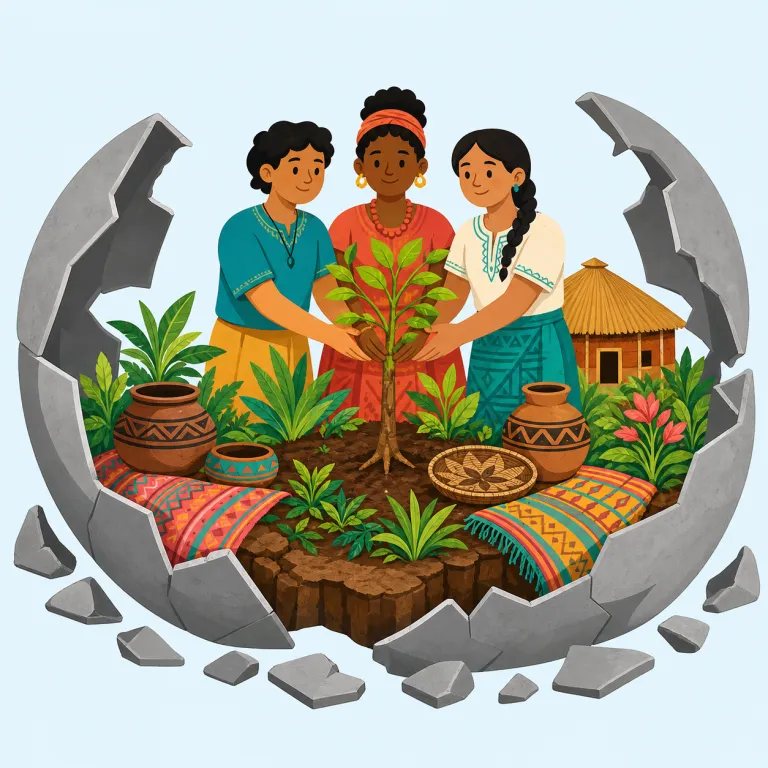
(教育・文化などの)脱植民地化
noun 名詞政治的独立に限らず、教育・研究・文化・制度に残る植民地主義的な価値観や権力関係を見直して改める過程を指す。decolonization of the curriculumのように、見直す対象をofで示すことが多い。
植民地支配から独立し、自治権を回復する過程のこと。
Decolonization is the process by which a colony becomes independent from the country that controlled it. It can also refer more broadly to removing colonial influence from politics, culture, education, or ways of thinking.
まず colonization を「植民地化」として押さえ、de- を「外す・ほどく」、-ation を「過程」と見れば、decolonization は「植民地化をほどいていく流れ」と読めます。colony, colonial, colonize, colonization を同じ語族で束ねると記憶しやすいです。歴史では decolonization of Africa のように地域名と結びつきやすく、independence が独立という結果を指しやすいのに対し、こちらは支配の解体から自治回復までを含む長いプロセスだと区別すると定着します。
Build it in parts: `colony`, `colonial`, `colonize`, `colonization`, then `decolonization`. The prefix `de-` often gives the feeling of undoing or removing. That makes this word easier to remember as a long process of undoing colonial control, not just one moment of independence.
Decolonization allowed many African nations to end foreign rule and gain independence.
脱植民地化により、多くのアフリカ諸国が外国の支配を脱して独立した。
Decolonization brought both opportunities and challenges to newly independent nations.
脱植民地化は新たに独立した国々に機会と課題の両方をもたらした。
The exhibit showed how decolonization ended foreign rule in Southeast Asia.
その展示では、脱植民地化によって東南アジアの外国支配が終わった経緯が紹介されていた。
文脈によって、次の意味でも使われます。
政治的独立に限らず、教育・研究・文化・制度に残る植民地主義的な価値観や権力関係を見直して改める過程を指す。decolonization of the curriculumのように、見直す対象をofで示すことが多い。
decolonization は de-「取り除く」+ colonization「植民地化」+ -ation から成る語です。colony はラテン語 colonia「入植地」にさかのぼり、colonist も同語根で、つまり「植民地の状態をほどくこと」が脱植民地化です。
Decolonization combines de- "remove" with colonization and -ation. Colony comes from Latin colonia, meaning a settlement or farm colony, and is related to colonist. The word developed to express the undoing or ending of colonial control. Its history is closely tied to reversing an earlier state rather than creating a new root meaning.
この英単語をクイズで覚えよう