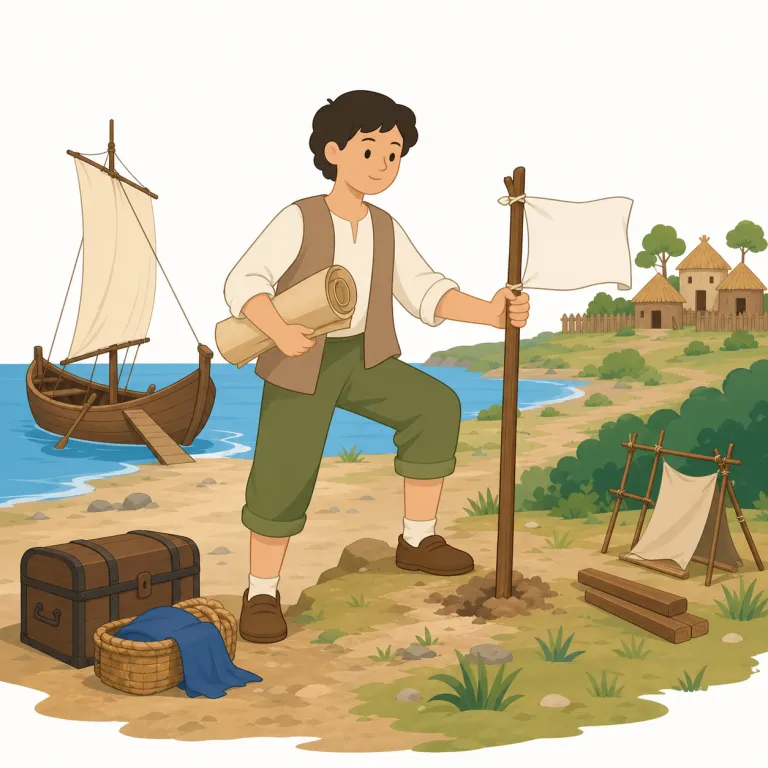
定着生物、入植生物
noun 名詞生態学・微生物学では、生息地や宿主に入り込み、そこで定着して個体群を形成する生物を指します。外来性や侵略性は必須ではなく、植物・動物・細菌などの生物学的な定着を述べる語です。
新しい土地を征服し、支配下に置く人。または他の文化を支配する人。
A colonizer is a person or group that goes to another land to settle there and take control of it. The word is usually used in history and politics when talking about colonial rule. It often has a negative meaning because it is linked with power, exploitation, and loss of local control.
colony(植民地)を知っていれば取りやすい語です。colonize が「植民地化する」、そこに人を表す -er が付いて「植民地化する人」。単に移住する settler や colonist より、現地を支配する側という圧の強い語感があります。歴史文脈では European colonizers の形が多く、動詞では colonize a region、名詞では colonial rule とまとめて覚えると、征服・支配のニュアンスまで残りやすいです。
Start from `colony`. A `colonizer` is the person form of `colonize`, with `-er` meaning "the one who does it." It sounds stronger than just `settler`, so connect it with history phrases like `European colonizers` and `colonial rule`.
European colonizers had profound impacts on indigenous populations worldwide.
ヨーロッパの植民者は世界中の先住民族に深刻な影響を与えた。
The colonizers imposed their systems of governance and cultural values.
植民者たちは、自分たちの統治制度と文化的価値観を押し付けた。
Historical analysis of colonizer practices reveals systemic exploitation.
植民者の慣行の歴史的分析は体系的な搾取を明らかにする。
文脈によって、次の意味でも使われます。
生態学・微生物学では、生息地や宿主に入り込み、そこで定着して個体群を形成する生物を指します。外来性や侵略性は必須ではなく、植物・動物・細菌などの生物学的な定着を述べる語です。
colonizer は colonize+-er で「植民する人」。核の colon- はラテン語 colonia「入植地」で、その奥に colere「耕す・住みつく」があります。colony や culture も同根で、もともと「土地を耕し住む」が「植民する」へ広がったと分かる語です。
"Colonizer" comes from colonize plus the agent suffix -er. The base colon- goes back to Latin colonia, meaning "settlement" or "farm," from colere, "to cultivate" or "inhabit." Related English words include colony and culture, showing how the idea moved from farming and settling land to establishing colonies.
この英単語をクイズで覚えよう