colonialism
植民地主義
解説 Definition
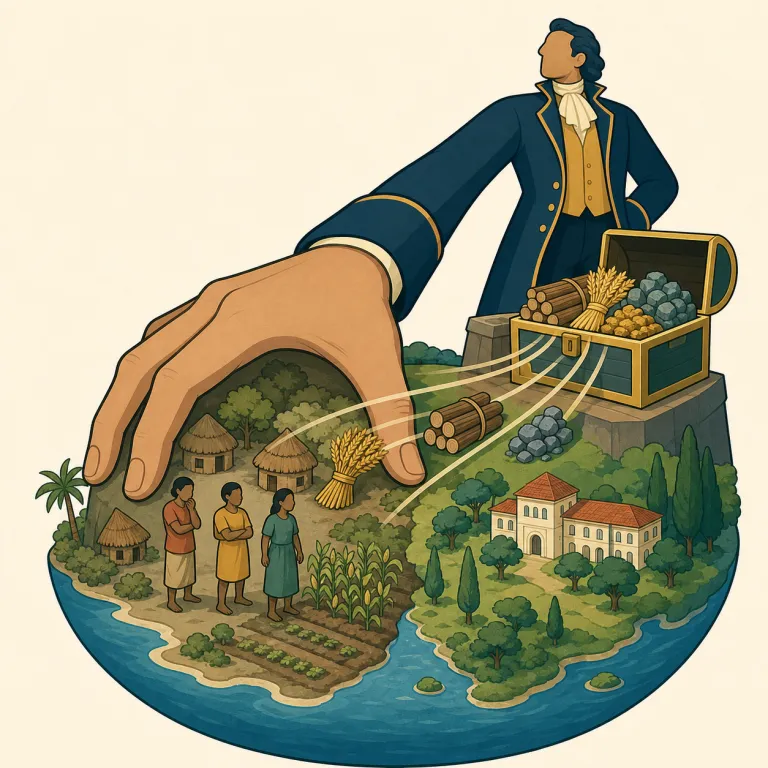
強国が他国や地域に政治的・経済的支配を行い、自らの利益のために搾取する制度や政策を指します。15世紀以降、ヨーロッパ諸国がアジア・アフリカ・アメリカ大陸に植民地を築いた歴史的現象にあたり、現在もその影響や後遺症が議論されています。
Colonialism is the practice of one country taking control of another land and ruling its people, often to gain wealth, power, or resources. It usually involves settlement, political control, and cultural influence. The word is often used in history, politics, and discussions of long-term social effects.
覚え方のコツ Memory Tip
colony(植民地)と colonial(植民地の)が分かれば、そこに -ism が付いて「植民地支配という主義・体制」とまとまる。単なる colony が場所そのものを指すのに対し、colonialism は他地域を支配し利益を吸い上げる考え方や仕組みまで含む重い語。歴史では European colonialism, oppose colonialism の形でよく見て、「国を作る」より「支配を制度化する」語だと押さえると残りやすい。
Start with `colony`, then `colonial`, and finally add `-ism`, which often names a system or ideology. That word-building path makes `colonialism` easier to hold in memory. You will often meet it in history phrases like `European colonialism` or `oppose colonialism`.
例文
The history of colonialism has had lasting effects on many countries in Africa.
植民地主義の歴史は、アフリカの多くの国々に長期にわたる影響を与えてきた。
Scholars continue to debate the economic legacy of colonialism in Southeast Asia.
学者たちは東南アジアにおける植民地主義の経済的遺産について議論し続けている。
Colonialism often involved the suppression of indigenous languages and cultures.
植民地主義はしばしば先住民の言語や文化の抑圧を伴っていた。
colonialism の類義語・関連語
colonialism の語源・成り立ち Etymology
colonialism は colonial に -ism「主義・体制」が付いた語で、colonial はラテン語 colonia「入植地」にさかのぼります。colony や cultivate も遠い同根で、もとは耕して住みつく感覚の語が、他土地を支配する入植体制の意味へ重く変わったと分かります。
Colonialism is built from colonial and the ending -ism, which forms names for systems or ideologies. Colonial comes from Latin colonia, meaning "settlement" or "farm colony," from a root linked to cultivating and inhabiting land. The word later took on the heavier political sense of a system in which one power settles in and controls another land; related words include colony and cultivate.
同じレベルの語彙をもっと
外部辞書で調べる
この英単語をクイズで覚えよう