
finally
finally は英検4級・TOEIC 600レベルの英単語で、「ついに、最後に」という意味があります。発音記号は /ˈfaɪnəliː/ です。
意味一覧 (2件)
ついに
解説 Definition
長い期間や多くの困難を経た末に、待ち望んでいた結果や事態が実現することを表す副詞。「ついに」「とうとう」という達成感や安堵感を伴うニュアンスがある。物語の結末や長期的な目標の達成を述べる際によく使われる。
Finally means after a long time, at the end, or after other things have happened first. It is often used when something was delayed, difficult, or expected for some time. It can also be used to introduce the last point in a series.
覚え方のコツ Memory Tip
final を知っていれば覚えやすい語で、finally は「最後の段階まで来て、そこで実現」の感覚。first, then, finally のように話や手順の締めにも出るし、I finally passed the exam. のように「長く苦労してついに」の達成感も強い。eventually も結果的にそうなる時に使うが、finally は終点に着いた感じや安堵がより前に出やすい。
If you know `final`, then `finally` is easy: it means something happens at the last stage. It often appears in sequences like `first, then, finally`, so it feels like the closing step. In sentences like `I finally passed`, it also carries the feeling of relief after a long wait.
例文
I finally finished my homework.
私はついに宿題を終えました。
She finally found her bag.
彼女はついにかばんを見つけました。
The bus finally came.
バスがついに来ました。
えいたんごクイズでの正答率
この語をはじめて出題された 60人 のうち 56人 が正解しました(93%)。
えいたんごクイズの回答から集計した独自データです。1人につき最初に出題されたときの1回だけを数えており、復習や2回目以降の回答、「わからない」と時間切れは含みません。 集計時点は 2026年9月19日 です。
最後に
(意味 2)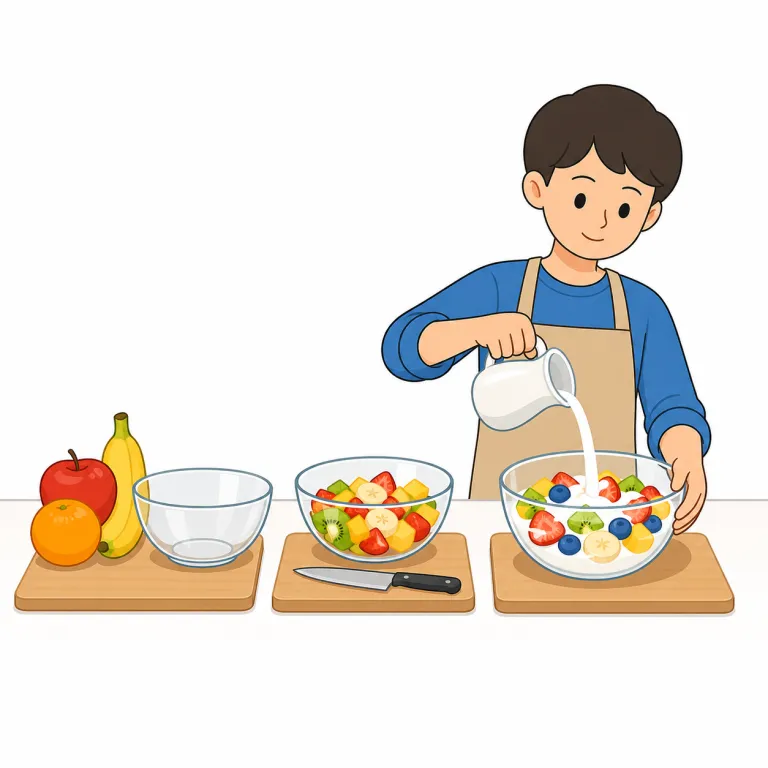
解説 Definition
順序や話の流れを示して、「最後の項目として」「締めくくりとして」という意味で使う副詞。手順説明、発表、文章の結論などで、いくつかの点を挙げたあとに最終の内容を導くときに用いられる。「ついに」のように長く待った結果を表す意味ではない。
As the last step or point in a sequence. It introduces the closing part of instructions, a speech, or a piece of writing.
覚え方のコツ Memory Tip
final を知っていれば覚えやすい語で、finally は手順や話の流れで「最後の項目として」と置く合図。first, then, finally と並べると、finally は達成の喜びではなく順番の締めを示す語だと整理しやすい。I finally passed the exam. の「ついに」と混同せず、発表や説明で Finally, I want to... と来たら「最後に」と受け取る。
Remember the sequence “first, then, finally.” Link final, meaning last, with the closing step in instructions or the last point in a presentation.
例文
Finally, cut the fruit and eat it.
最後に果物を切って食べてください。
Finally, I want to thank everyone for their support.
最後に、皆さんの支援に感謝したいです。
Finally, add the milk.
最後に牛乳を加えてください。
finally の類義語・関連語
finally の語源・成り立ち Etymology
finally は final「最後の」+ -ly「〜に」から成り、final はラテン語 finalis、さらに finis「終わり・境界」にさかのぼります。finish や finite も同じ語根をもち、語の芯が「終点に達する」とわかると、finally の「ついに」がすっと腑に落ちます。
Finally is formed from final + -ly. Final comes from Latin finalis, from finis, meaning "end" or "boundary," and related English words include finish and finite. Because of that history, finally carries the idea of reaching the end point or last stage.
同じレベルの語彙をもっと
英検4級の一覧へ →外部辞書で調べる
この英単語をクイズで覚えよう