有限に
解説 Definition
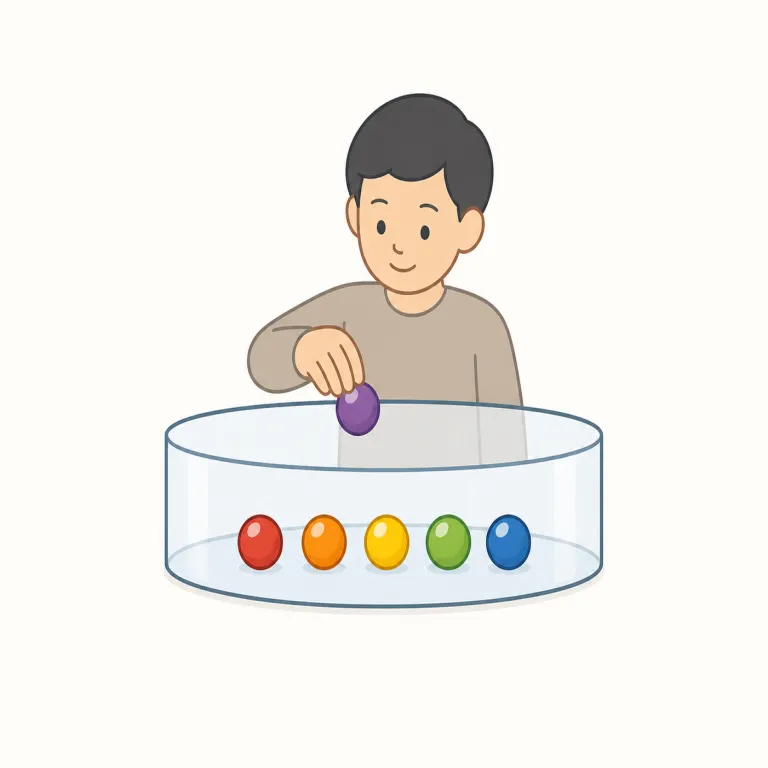
有限の範囲内で、限りある形で。数学で無限ではない状態を表す。
Finitely means in a limited way or within a fixed number or amount. It is mainly used in mathematics, logic, and technical writing as the opposite of infinitely.
覚え方のコツ Memory Tip
まず finite を軸に覚える。対比は infinite(無限の)で、in- が付かない finite は「限界がある」側。そこに -ly が付いて「有限に」。数学では finitely many, finitely generated など「数え切れる範囲・無限ではない条件で」の形で出やすい。意味を取るときは「終わりや上限がある状態で」と置くとぶれにくい。似た形の definitely や finely とは無関係なので、finite を見抜けるかが鍵。
The key is to spot `finite` inside `finitely`. `Finite` is the opposite of `infinite`, so it means there is a limit or an end. In math, phrases like `finitely many` help fix the idea of `not endless` in your memory.
例文
The model has finitely many possible outcomes.
このモデルで起こりうる結果は有限個しかない。
The theorem states that the space can be finitely decomposed into measurable parts.
その定理は空間が有限に測定可能な部分に分解できると述べている。
The program checks finitely many cases before returning an answer.
そのプログラムは有限個の事例を確認してから答えを返す。
finitely の類義語・関連語
finitely の語源・成り立ち Etymology
finitely は finite「有限の」+ -ly「…に」。finite はラテン語 finitus「境界づけられた」にさかのぼり、finish や infinite も同根なので、「終わりや限界がある仕方で」と考えると有限にの意味がすっと入る。
Finitely comes from finite with the adverb ending -ly. Finite goes back to Latin finitus, meaning "bounded" or "limited," from the same root as finish and infinite. The core idea is "in a way that has an end or limit." Its history is closely tied to the idea of setting boundaries.
同じレベルの語彙をもっと
外部辞書で調べる
この英単語をクイズで覚えよう