意味一覧 (2件)
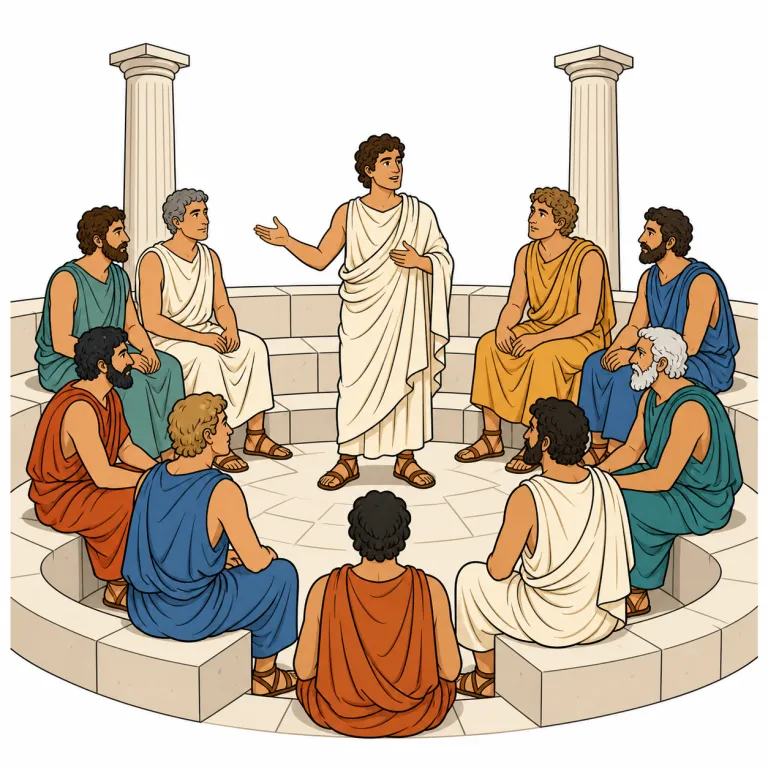
古代ギリシャの市民集会
解説 Definition
古代ギリシャのポリスにおいて、市民が公共の問題を討議し、決定に参加するために開かれた集会。
In ancient Greek history, an ecclesia was an assembly in which citizens gathered to debate and decide public matters.
覚え方のコツ Memory Tip
ecclesiaは、古代ギリシャのポリスで資格を持つ市民が集まった「市民集会」を指す歴史用語。単に人が集まる会ではなく、公共政策を討議し、提案への投票や決定に参加する政治的な場だった。ancient Athens、citizens、debate、voteなどと一緒に現れたらこの意味を思い出そう。
Connect ecclesia with the core idea of an assembly, then picture citizens of an ancient Greek polis gathering to debate and vote on public affairs.
例文
In ancient Athens, the ecclesia debated important matters of public policy.
古代アテネでは、市民集会が公共政策の重要事項を討議した。
Eligible citizens gathered in the ecclesia to vote on the proposal.
資格のある市民たちは、その提案に投票するため市民集会に集まった。
The historian examined the political role of the ecclesia in the Greek polis.
その歴史家は、ギリシャのポリスにおける市民集会の政治的役割を研究した。
キリスト教の教会会衆
(意味 2)
解説 Definition
キリスト教の文脈で、礼拝や共同体生活のために集まる信者たち、またはその信仰共同体を指す語。
In Christian usage, ecclesia means a congregation or community of believers, emphasizing the gathered people rather than the church building.
覚え方のコツ Memory Tip
ecclesiastical「教会の」と同じ eccles- の形に注目し、教会の建物ではなく、そこに集う信者の共同体を思い浮かべると覚えやすい。
Link the eccles- form with ecclesiastical, then picture the believers gathered as a community rather than the physical church building.
例文
The writer uses ecclesia for the local community of Christian believers.
その著者は、地域のキリスト教信者の共同体を指して ecclesia を用いている。
In this passage, ecclesia refers to the congregation rather than a building.
この一節の ecclesia は、建物ではなく教会会衆を指している。
The lecture explored how the early ecclesia organized its communal life.
その講義では、初期の教会会衆が共同体生活をどのように組織したかが論じられた。
ecclesia の類義語・関連語
派生語
ecclesia の語源・成り立ち Etymology
ecclesia は「集会」を意味するギリシャ語 ekklesia に由来します。この語は ek-「外へ」と「呼ぶ」を表す語に結び付き、市民が集まる公的な集会を指しました。
Ecclesia comes from Greek ekklesia, meaning an assembly. The word is associated with ek- “out” and a verb meaning “to call,” and it was used for a civic gathering of citizens.
同じレベルの語彙をもっと
外部辞書で調べる
この英単語をクイズで覚えよう