意味一覧 (3件)
場所、地点
解説 Definition
特定の位置や、何かがある場所を指す名詞です。地図上の地点、待ち合わせ場所、事件や作業が起こる現場など、はっきり区切って示したいときに使われます。
A particular place or position that can be identified precisely. It can be somewhere people meet, somewhere suitable for an activity, or the location where something happened.
覚え方のコツ Memory Tip
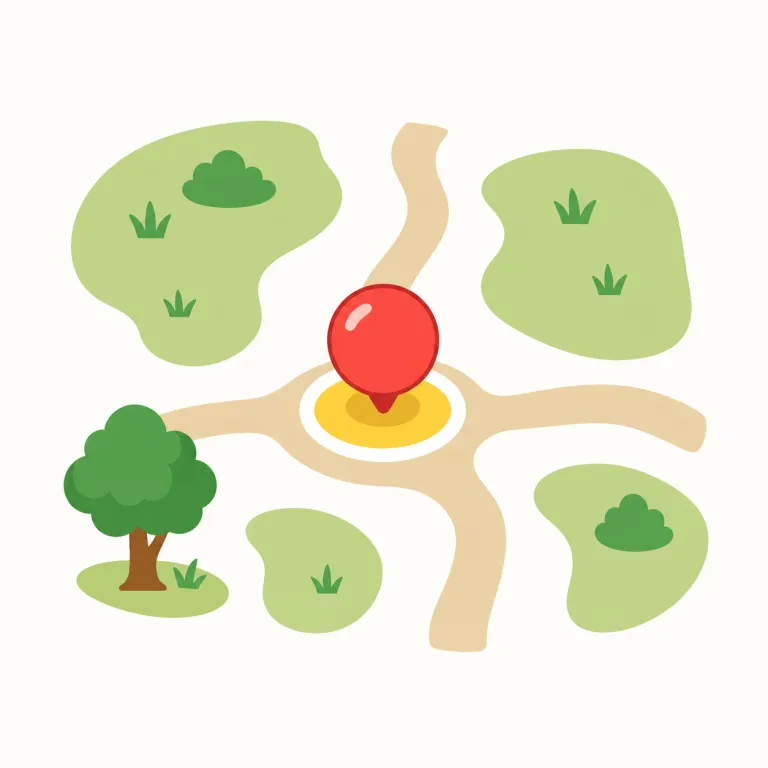
spot は、広い空間の中に印を一つ付けた「ここ」という場所を思い浮かべると定着しやすい語です。地図に赤い点を置き、This spot is near my house. と言う場面を固定しましょう。place が大小さまざまな「場所」を広く表すのに対し、spot は待ち合わせ、昼食、撮影などの目的に合う、限られた一点という感じです。at this spot、a good spot for lunch、the exact spot のまとまりが便利です。「どこか広い地域」ではなく、指で示したり印を付けたりできる地点、と押さえると使い分けやすくなります。
Imagine putting one red dot on a map to mark exactly where you mean. Link that image with the exact spot, at this spot, and a good spot for lunch.
例文
This spot is near my house.
この場所は私の家の近くです。
We meet at this spot.
私たちはこの場所で会います。
That spot is good for lunch.
あの場所は昼食をとるのにいいです。
しみ、汚れ
(意味 2)
解説 Definition
spot は名詞で、布や壁、皮膚などの表面にできた小さなしみや汚れを指します。コーヒー、油、インクの跡のような目立つ斑点に使われ、日常会話では洗って落としたい汚れや、表面についた小さな色の変化を述べるときによく使われます。
A spot is a small mark or dirty area on a surface, such as on clothes, skin, or paper. It usually means something noticeable that is different in color or cleanliness from the area around it. In this meaning, it is close to stain or mark.
覚え方のコツ Memory Tip
spot はまず「小さく目立つ点」の感覚で覚えると、しみ・汚れの意味が取りやすいです。stain が広がって染みこんだ汚れにも使えるのに対し、spot は表面にポツッと見える斑点っぽさが強め。coffee spot, ink spot, oil spot のように汚れの種類と結びつけて覚えると定着します。spotless は「spot がない」なので「しみひとつない」。同じ spot には「場所」の意味もあるので、布・壁・肌の文脈ならまず「斑点・しみ」を疑うと混乱しません。
Think of a `spot` as a small mark you can see right away. It feels smaller and more like a dot than `stain`, which often spreads more deeply. Remember common pairs like `ink spot`, `oil spot`, and `coffee spot`. If the context is skin, cloth, or a wall, `spot` often points to a visible little mark, not a place.
例文
There is a spot on my shirt.
私のシャツにしみがあります。
This spot is from coffee.
これはコーヒーのしみです。
There is a red spot on the wall.
壁に赤い汚れがあります。
見つける
(意味 3)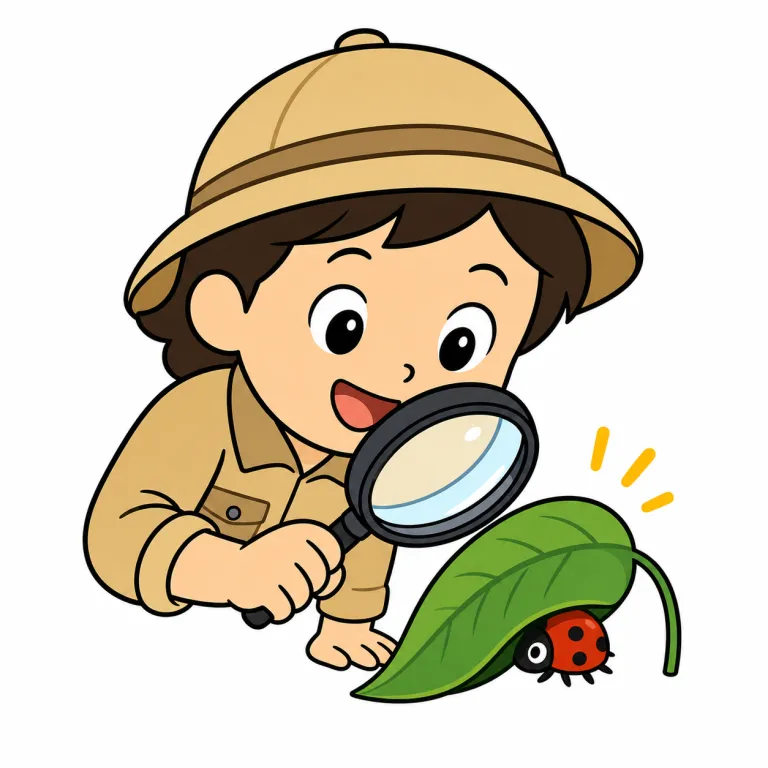
解説 Definition
人や物を見てそれと気づいたり、探していたものを見つけたりする動詞です。遠くから見かける場合にも、隠れていた違い・誤り・特徴を見抜く場合にも使われます。
To see and recognize someone or something, especially when they are difficult to pick out. This can involve finding a person in a crowd or detecting a small error or difference.
覚え方のコツ Memory Tip
spot は「目につく点」をとらえる感覚から動詞で覚えると、「見つける」が自然に入ります。人ごみや遠くの景色の中で、目が一点をぱっと拾うイメージです。spot a mistake / spot a friend / spot the difference のように、探していたものや隠れた違いを見抜くときに使います。find より「見て気づく」感じが強く、discover より日常的。名詞の「しみ・斑点」はその目立つ点そのものなので、動詞では「その点を目でとらえる」と切り分けると混同しません。
Picture your eyes picking out one clear point in a crowd or a distant view. Learn spot a friend, spot a mistake, and spot the difference to connect the verb with finding something through sight.
例文
I spotted my teacher at the store.
私は店で先生を見つけました。
Can you spot the red ball?
赤いボールを見つけられますか。
We spotted a deer near the river.
私たちは川の近くで鹿を見つけました。
spot の類義語・関連語
spot の語源・成り立ち Etymology
spot は中英語 spot にさかのぼり、起源はゲルマン系と考えられますが詳しくは不明です。細かな接辞より「目につく一点」という感覚が中心で、しみ・斑点だけでなく、地図上で示せる一点や特定の場所にも広がりました。この行の spot は、空間の中で印を付けられる「場所・地点」に結びつきます。
The word goes back to Middle English spot; its origins are thought to be Germanic, but the details are uncertain. The idea of a visible mark extended to a particular point or place.
同じレベルの語彙をもっと
外部辞書で調べる
この英単語をクイズで覚えよう