forsake
forsake は英検1級レベルの英単語で、「見捨てる、捨てる」という意味があります。発音記号は /fɔrˈseɪk/ です。
意味一覧 (2件)
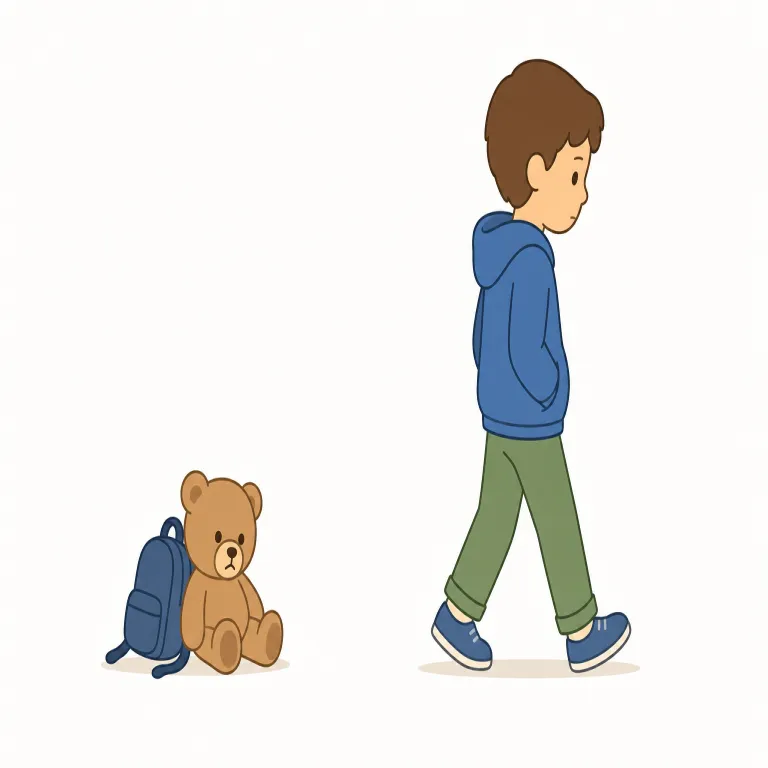
見捨てる
解説 Definition
友人や家族など、世話をすべき人を見捨てることを意味します。困っている人を助けることなく、放棄することです。
To forsake means to leave someone or something completely, especially when care, loyalty, or support was expected. It can also mean to give up a belief, habit, or way of life. This word is fairly formal and often appears in literary or emotional contexts.
覚え方のコツ Memory Tip
まず leave は単に去る、abandon は放り出す、forsake は『本来支える/守るべき相手や信念から背を向ける』で、責任放棄や情緒の重さが強い語。家族・仲間・祖国・信仰・約束など、関係や義務のあるものを forsake しやすい。文体はやや硬く、聖書・文学・誓いの表現でも見かける。『ただ離れる』ではなく『見捨てる、裏切るように離れる』とセットで覚えると残りやすい。
Remember `forsake` as stronger and heavier than simply `leave`. It is often used for someone or something you should support, like family, friends, faith, or duty. That emotional weight helps separate it from more ordinary verbs.
例文
He could never forsake his loyal friends in times of trouble.
彼は困ったときに自分を支えてくれる忠実な友人たちを、決して見捨てられませんでした。
Despite the danger, she refused to forsake her injured friend.
危険な状況にもかかわらず、彼女はけがをした友人を見捨てようとはしませんでした。
The soldier would never forsake his comrades in battle.
その兵士は戦闘中も仲間を決して見捨てないだろう。
捨てる
(意味 2)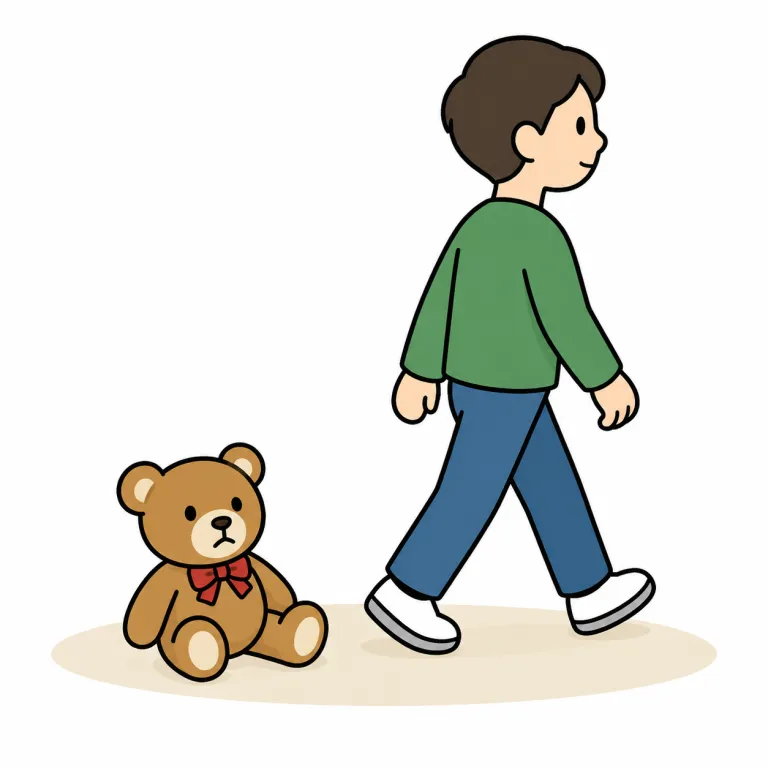
解説 Definition
forsake は、人間関係を断つだけでなく、習慣・信念・計画・希望などを自分から手放すときにも使う。やや硬い語で、長く持っていたものや大事にしていたものをあえて捨てる響きがある。
This somewhat formal verb means to deliberately give up or turn away from a person, belief, habit, plan, or hope. It often suggests abandoning something that has been important or that one might be expected to support.
例文
He decided to forsake his old habits and start over.
彼は昔の習慣を捨ててやり直すことにした。
She refused to forsake her beliefs under pressure.
彼女は圧力を受けても自分の信念を捨てようとしなかった。
Even in difficult times, they did not forsake hope.
厳しい時期でも、彼らは希望を捨てなかった。
forsake の類義語・関連語
forsake の語源・成り立ち Etymology
forsake は古英語 forsacan に由来し、for-「離れて・すっかり」+ sacan「争う・拒む」と考えられます。もとは「相手との関わりを断って退ける」で、そこから「見捨てる」になりました。ドイツ語 versagen やオランダ語 verzaken も同系で、ただ去るより強い拒絶がにじむ語です。
Forsake comes from Old English forsacan, made from for- and sacan, a verb connected with disputing, rejecting, or denying. It originally suggested turning away from someone and refusing further connection. This later developed into the stronger sense of abandoning or deserting. It is related to Germanic forms such as Dutch verzaken and German versagen.
同じレベルの語彙をもっと
英検1級の一覧へ →外部辞書で調べる
この英単語をクイズで覚えよう