
意味一覧 (3件)
失礼に
解説 Definition
他人への敬意を払わず、無遠慮や乱暴な態度で接することを指します。相手への配慮や礼儀を欠いている様子を表します。人の感情や状況を顧みず、不快にさせる行動が伴うことが多いです。
Rudely means in a way that is not polite or does not show respect for other people. It is used for speech, behavior, or actions that feel offensive, careless, or too direct. The degree can range from slightly impolite to very offensive.
覚え方のコツ Memory Tip
まず rude「失礼な」を土台にし、-ly が付くと「どんな態度でそうしたか」を表す副詞になる、と形で覚える。She spoke rudely. や interrupted rudely. のように、speak, behave, reply, interrupt など対人場面の動詞と結びつきやすい。badly が「うまくなく」であるのに対し、rudely は「相手への敬意がない」が中心。impolitely と近いが、rudely のほうが無遠慮さや感じの悪さが強め。polite の反対側に置くと残りやすい。
Start with `rude`, then add `-ly` to show the manner of an action. That makes `rudely` easy to remember as "in a rude way." Connect it with social verbs like `speak`, `reply`, or `interrupt` to fix the feeling of bad manners.
例文
He rudely interrupted the speaker during the presentation.
彼はプレゼンテーションの最中に、失礼にも発表者の話を遮りました。
The customer spoke rudely to the waitress.
その顧客はウェイトレスに対して失礼な口調で話しました。
She rudely refused to listen to his explanation.
彼女は失礼にも彼の説明を聞こうとしませんでした。
乱暴に
(意味 2)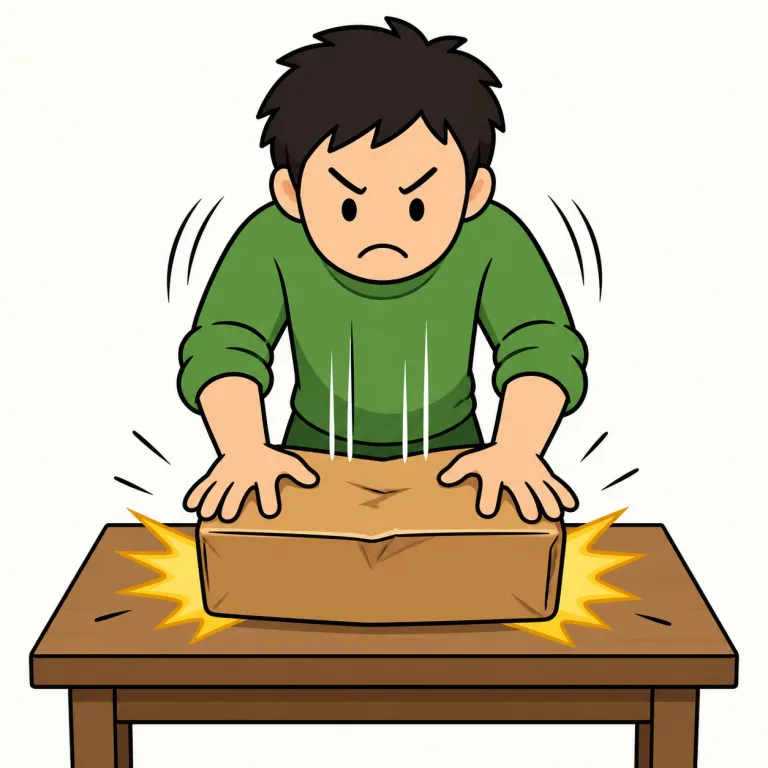
解説 Definition
人や物に対して、やさしさや丁寧さがなく、力まかせで荒っぽく扱う様子を表します。動かす、押す、つかむ、引き離すなどの場面で使われ、単に無礼というより物理的な荒さが強調されます。
This adverb describes doing something in a rough, forceful way without gentleness or care. In this sense, it commonly modifies actions such as pushing, grabbing, pulling, or shaking.
覚え方のコツ Memory Tip
まず rude「粗い、失礼な」を土台にし、-ly が付くと「どんな様子でそうしたか」を表す副詞になる、と形で覚える。ここでは She spoke rudely. のような対人態度の「失礼に」だけでなく、push, grab, pull, shove などの動作と結びついて、手荒く・力まかせに扱う意味です。polite の反対というより、smooth や gentle の反対側に置くと「乱暴に」が残りやすい。
Start with rude, meaning rough or impolite, and add -ly to make an adverb. For this sense, think of the opposite of gently: someone pushes or grabs another person with rough force.
例文
He rudely pushed past me and knocked me over.
彼は私を乱暴に押しのけて通り、私を転ばせた。
The bag was rudely grabbed from my hands.
そのかばんは私の手から乱暴にひったくられた。
She rudely shook him awake.
彼女は彼を乱暴に揺さぶって起こした。
不意に
(意味 3)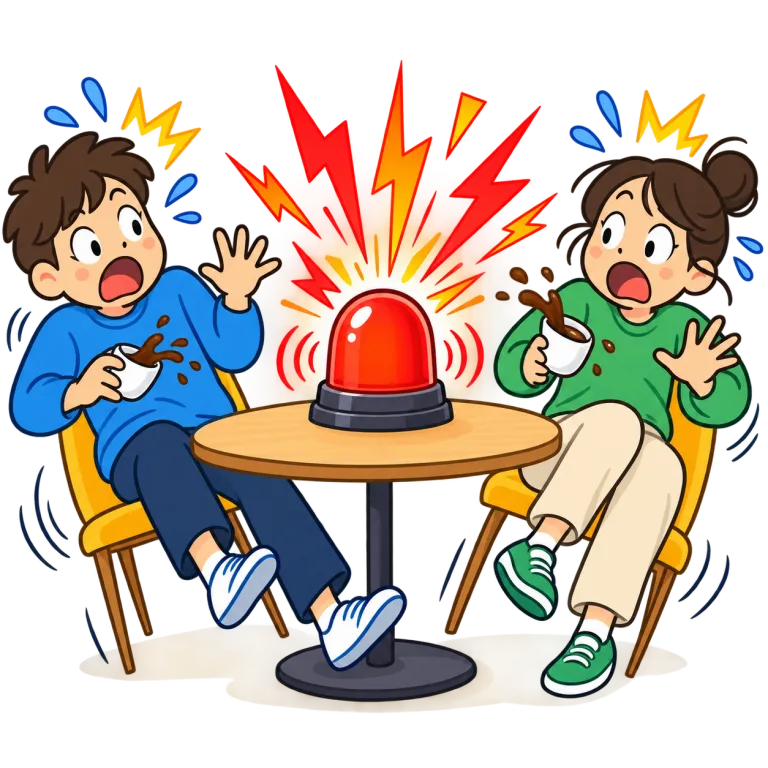
解説 Definition
予想していない瞬間に、前触れなく何かが起こる様子を表します。会話や行動が急に中断されたり、気分や考えが急に現実へ引き戻されたりする文脈でよく使われます。
This adverb describes an interruption or awakening that happens abruptly, without warning, and in an unpleasant or jarring way. It often suggests that a conversation, dream, or train of thought is suddenly broken.
覚え方のコツ Memory Tip
まず rude の中心にある「荒っぽい・粗い」を土台にし、ここでは態度の無礼さより、出来事がこちらを荒っぽく現実へ引き戻す感じで覚える。conversation was rudely interrupted や rudely awakened のように、interrupt, awaken などと結びつくと「不意に、乱暴に中断される」が中心。She spoke rudely. の「失礼に」とは切り分けて、相手のマナーではなく、突然割り込まれる衝撃に注目すると残りやすい。abruptly と近いが、rudely は中断の乱暴さや不快さが少し強め。
Imagine an event breaking roughly into a peaceful moment and pulling someone back to reality. Phrases with interrupted or awakened emphasize the sudden, unpleasant shock rather than bad manners.
例文
Our conversation was rudely interrupted by a loud alarm.
私たちの会話は大きな警報音で不意に中断された。
She was rudely awakened by the phone ringing.
彼女は電話の音で不意に目を覚ました。
His daydream was rudely interrupted by the teacher's voice.
彼の空想は先生の声で不意に中断された。
rudely の類義語・関連語
rudely の語源・成り立ち Etymology
rudely は rude + -ly で、rude はラテン語 rudis「粗い・未熟な」が古フランス語を経て入った語。もとは「洗練されていない様子」で、rudiment や erudite も同根なので、「失礼に」は「磨かれていない態度から」が見えてくる。
Rudely comes from rude plus the adverb suffix -ly. Rude entered English through Old French from Latin rudis, meaning "rough," "raw," or "untrained." It first suggested a lack of polish or refinement, and from that it developed into the sense of behaving in an impolite way. Related words from the same root include rudiment and erudite.
同じレベルの語彙をもっと
外部辞書で調べる
この英単語をクイズで覚えよう