偶奇性
noun 名詞数学で、整数が偶数か奇数かという性質を指す。二つの整数について同じparityであるといえば、両方が偶数または両方が奇数であることを表し、値そのものが等しいという意味ではない。
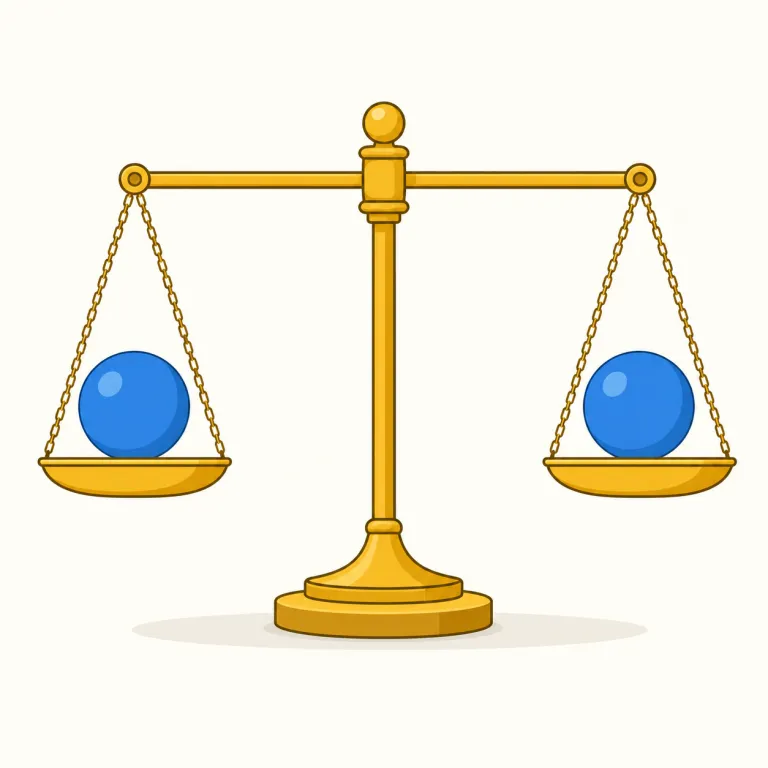
parity は英検準1級レベルの英単語で、「同等 / 等価」という意味があります。発音記号は /ˈpɛrəti/ です。
パリティとは、二つのものが等しい価値や地位を持つ状態を指す。経済や金融の分野では、通貨や資産の等価関係を表すために用いられる。コンピュータ科学では、データの誤り検出に使われるパリティビットの概念としても知られている。
Parity means a state of being equal or similar in value, amount, status, or importance. It is often used in formal contexts such as economics, politics, and social issues. For example, it can describe equal pay, equal rights, or equal numbers.
parity は、まず pair を思い出すと覚えやすい語です。2つを並べて比べたとき、どちらかが上ではなく「肩を並べて同じくらい」という感覚が核です。よく gender parity, price parity のように、立場・条件・価格などの同等さに使われます。 identical のような「完全に同一」ではなく、価値や水準が釣り合っているイメージ。反対語の disparity もセットで押さえると定着しやすいです。
Parity is easy to remember if you start from pair. When two things are in parity, they stand at the same level instead of one being above the other. Learn it with disparity too, because the contrast makes both words easier to remember.
The two currencies reached parity for the first time in a decade.
その二つの通貨は10年ぶりに同じ価値になった。
Workers want pay parity with other departments.
従業員たちは他の部署と同等の賃金を求めている。
The new law seeks parity between men and women at work.
新しい法律は職場での男女平等の実現を目指している。
文脈によって、次の意味でも使われます。
数学で、整数が偶数か奇数かという性質を指す。二つの整数について同じparityであるといえば、両方が偶数または両方が奇数であることを表し、値そのものが等しいという意味ではない。
parity はラテン語 paritas(同等)にさかのぼり、語根は par「等しい」です。-ity は「状態」を表す接尾辞なので、「等しい状態」から「同等・等価」の意味になりました。関連語に pair, compare があります。
Parity comes from Latin paritas, meaning "equality," from par, "equal." The ending -ity adds the sense of a state or condition. So the word originally meant the state of being equal, and that meaning has stayed central in English. Related words include compare and pair.
この英単語をクイズで覚えよう