
gender
gender は英検2級・TOEIC 600レベルの英単語で、「性別、文法的な性」という意味があります。発音記号は /ˈdʒɛndər/ です。
意味一覧 (2件)
性別
解説 Definition
性別とは、人間や動物が男性か女性かを示す分類です。生物学的な違いや、社会的な性の区分を表します。
Gender is the state of being male, female, or another identity, depending on how a person or society understands it. It is often discussed in everyday life, official forms, and social topics. In many contexts, it is different from biological sex.
覚え方のコツ Memory Tip
gender は単独で暗記するより、gender equality(男女平等)、gender gap(男女差)、gender roles(性別役割)などの決まりやすい組み合わせで覚えると定着しやすい語です。sex も「性」を表しますが、sex は生物学的な区分、gender は社会的・心理的な性の文脈でもよく使われる、という違いを押さえると混同しにくくなります。申込書やプロフィール欄で gender とあれば「性別欄」のことだと結びつけると記憶に残ります。
Remember `gender` through common phrases like `gender equality`, `gender gap`, and `gender roles`. You will also see it on forms and profiles as the label for sex or identity information. To avoid confusion, note that `sex` is often more biological, while `gender` is often used in social or personal contexts too.
例文
Please enter your gender here.
ここに性別を入力してください。
This is the gender field.
ここが性別欄です。
The form asks your gender.
その用紙はあなたの性別を尋ねます。
えいたんごクイズでの正答率
この語をはじめて出題された 61人 のうち 59人 が正解しました(97%)。
えいたんごクイズの回答から集計した独自データです。1人につき最初に出題されたときの1回だけを数えており、復習や2回目以降の回答、「わからない」と時間切れは含みません。 集計時点は 2026年9月19日 です。
文法的な性
(意味 2)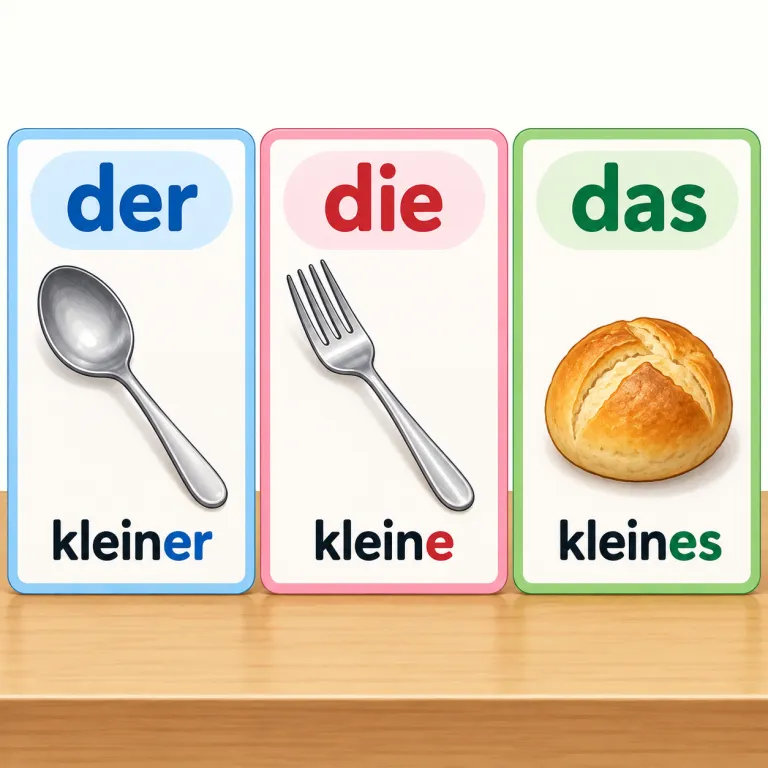
解説 Definition
言語の多くで名詞や代名詞に割り当てられる分類体系。男性・女性・中性などのカテゴリーがあり、形容詞や動詞などの語の変化に影響する。
Gender, in grammar, is a class of nouns such as masculine, feminine, or neuter. It affects how words are used in some languages, especially adjectives, articles, or pronouns. It is a grammar term and does not always match real biological sex.
覚え方のコツ Memory Tip
`gender` は `male / female / neutral` のような「分類ラベル」を置く語として覚えると定着しやすいです。日常語の `sex` が生物学的な性を指しやすいのに対し、文法では `gender` が名詞や代名詞の“グループ分け”を表します。`grammatical gender` という形で見ることが多く、スペイン語やドイツ語で冠詞・形容詞の形が変わる場面と結びつけると記憶に残ります。ポイントは「男女そのもの」より「文法上の分類」を示す語だと押さえることです。
Learn it as the set phrase grammatical gender. Think of languages like Spanish or German, where nouns belong to groups such as masculine, feminine, or neuter. This is a grammar label for words, not a real-life person.
例文
In this language, gender affects word endings.
この言語では、文法的な性は語尾に影響する。
The gender of nouns matters in Spanish.
スペイン語では、名詞の文法的な性は重要である。
Gender agreement is a grammatical rule.
性の一致は文法上の規則である。
gender の類義語・関連語
gender の語源・成り立ち Etymology
ラテン語 genus(種類・生まれ)の派生形 gener- がフランス語 gendre を経て英語に入った。語根 gen- は「生む・産む」を意味し、gene(遺伝子)や generation(世代)と同根。本来「種類」の意味から文法上の性を指し、後に生物学的・社会的な性別の意味に広がった。
From Latin genus "kind, type, birth," through French, with the root gener- / gen- meaning "to produce" or "to be born." This is the same root seen in English words like gene, generate, and generation. The word first referred to a "kind" or "class," then to grammatical gender, and later widened to biological and social meanings.
同じレベルの語彙をもっと
英検2級の一覧へ →外部辞書で調べる
この英単語をクイズで覚えよう