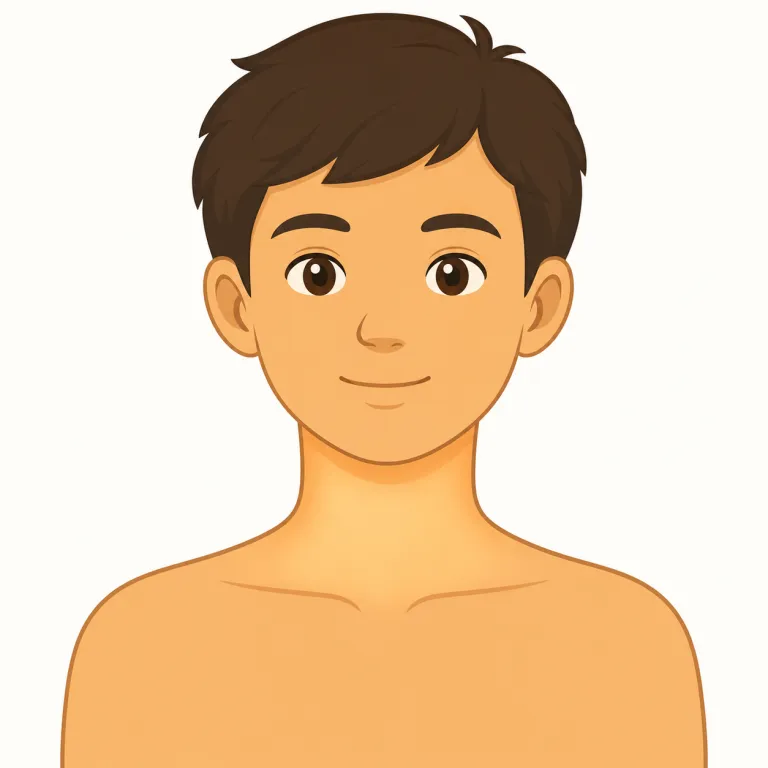
neck
neck は英検4級レベルの英単語で、「首、地峡」という意味があります。発音記号は /nɛk/ です。
意味一覧 (2件)
首
解説 Definition
体の上の部分で、頭と肩の間にある部分。首を動かすことで頭を回転させたり、傾けたりできます。
The neck is the part of the body that connects the head to the shoulders. It contains the throat and supports the head. The word can also be used for the narrow part of an object, such as a bottle.
覚え方のコツ Memory Tip
neck は body parts の基本語として、head と shoulders をつなぐ「外側の首」と固定すると忘れにくいです。throat はのどの内部・前面寄りなので区別します。neck pain, crane your neck, break your neck のように身体動作でよく出るうえ、a bottleneck では「細くなって流れをせき止める部分」へ比喩的に広がります。necktie, necklace も同じ核から理解すると定着しやすく、pain in the neck は「面倒な人・こと」の慣用句です。
Think of the neck as the bridge between your head and your shoulders. It often appears in body-action phrases like `crane your neck` or `neck pain`, so connect it with movement. Also remember word family links like `necklace` and `necktie`.
例文
My neck is long.
私の首は長いです。
He washes his neck.
彼は首を洗います。
Touch your neck here.
首のここを触ってください。
地峡
(意味 2)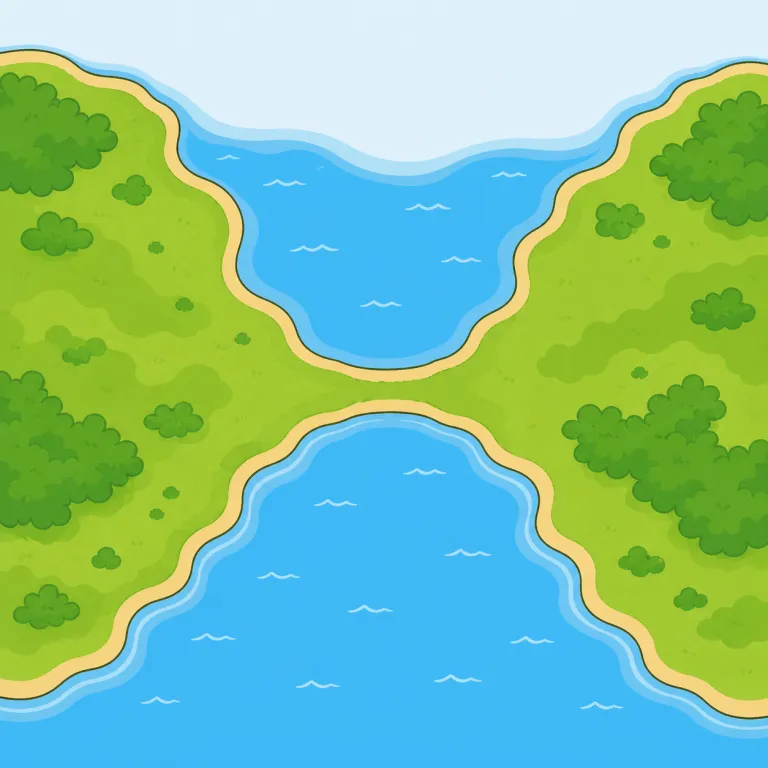
解説 Definition
二つの陸地を繋ぐ狭い土地である。特に、大陸や島などの大きな陸地同士を繋ぐ地理的特徴を指す。
A neck can mean a narrow strip of land or a narrow part that connects two larger areas. This meaning is used mainly in geography or descriptions of shape. It often refers to a thin passage between wider spaces.
覚え方のコツ Memory Tip
neck はまず基本義の「首」を固定する。首は頭と胴体をつなぐ“細い連結部”なので、地理では二つの大きな陸地をつなぐ細い土地にもそのイメージがそのまま移る。bottleneck の「くびれ・狭い所」を知っていれば連想しやすい。地図では、左右に大きな陸地があり、その間を首のような細い帯がつないでいる絵で覚えると強い。半島のように外へ突き出すのではなく、こちらは「つなぐ」側。water の細道が strait なら、land の細道が neck of land、という対比でも整理できる。
Begin with the usual image of a `neck` on the body: a thin part connecting two larger parts. In geography, the same shape gives the meaning, because a narrow piece of land connects two wider areas. If you already know `bottleneck`, that narrow-connection image makes this use easier to remember.
例文
The Panama Canal connects two continents by cutting through a narrow neck of land.
パナマ運河は狭い地峡を切り抜けることで2つの大陸を繋いでいます。
A neck of land joins the two islands.
一つの地峡が二つの島をつないでいる。
We walked across the narrow neck of land.
私たちはその狭い地峡を歩いて渡った。
neck の類義語・関連語
neck の語源・成り立ち Etymology
古英語 hnecca(首の後ろ)に由来し、ゲルマン祖語 *hnakkō に遡る。原義は「首の後部・うなじ」で、次第に首全体を指すように。関連語:necklace(首飾り)、necktie(ネクタイ)。身体の「つなぎ目」という感覚が、bottleneck(瓶の首→障害)などの比喩表現にも広がった。
From Old English hnecca, which first meant the back of the neck, and from an earlier Germanic root *hnakko. Over time, the meaning widened from the nape to the whole neck. The idea of a narrow connecting part later spread into uses like bottleneck, and related words include necklace and necktie.
同じレベルの語彙をもっと
英検4級の一覧へ →外部辞書で調べる
この英単語をクイズで覚えよう
この意味を学べる単語帳
neck の収録語義を確認して、まとめて学べる単語帳を選べます。
-
収録語義:首
作成者:西村/learningBOX/競プロアカ