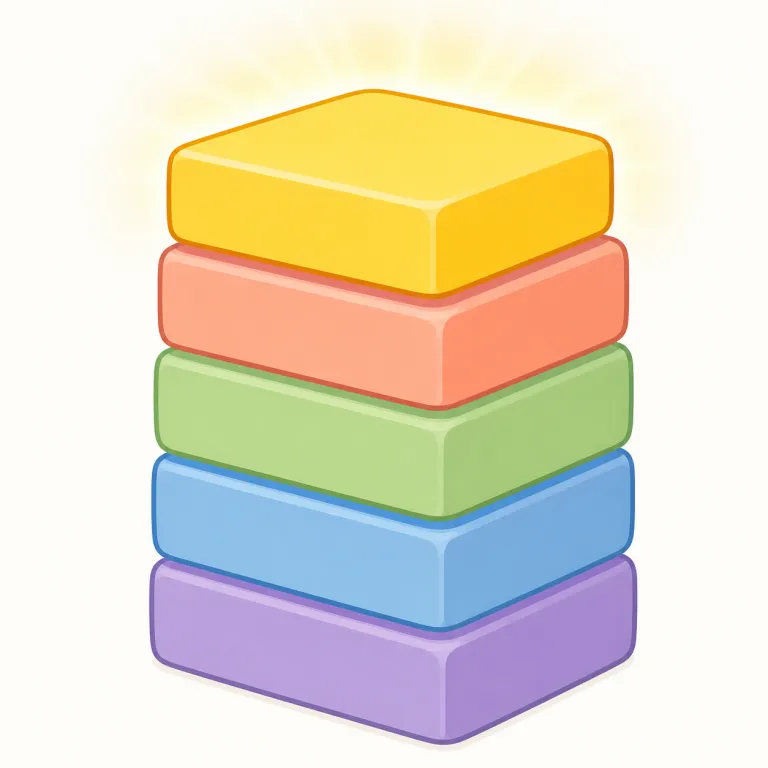
最上位の、最重要の
adjective 形容詞物理的な位置ではなく、順位・地位・重要度が最も高いことを表します。topmost priority や topmost concern のように名詞の前で使われ、複数の候補や課題の中で最優先されるものを示します。
最も高い位置にある、一番上のという意味の形容詞。
Topmost means in the highest position, above all others. It is used for physical position, and sometimes for rank or importance. The word is more formal than simply saying highest or uppermost.
top を知っていれば核はすぐ取れます。そこに最上級の most が重なって、意味はほぼ見た目どおりに「いちばん上の」。単に on the top と言うより、棚・枝・塔・ページなど、上下に並ぶものの中で最上段や最上部を指す語として覚えると定着しやすいです。the topmost shelf, the topmost branch のような形をまとめて覚えるのがおすすめ。upper / uppermost と近いですが、topmost は“頂点に最も近い位置”という字義どおりの感覚が強いので、物理的な上下関係と結び付けると忘れにくいです。
This word is very visual: `top + most`. It means the very highest position, and the form itself almost explains it. Fix it in memory with phrases like `the topmost shelf` or `the topmost branch`.
The flag was placed at the topmost point of the building to be visible from afar.
遠くから見えるように、旗はビルの一番高い場所に掲げられた。
The topmost branches of the old oak tree swayed gently in the wind.
古いオークの木の一番上の枝が風に穏やかに揺れていた。
She placed the most important document on the topmost shelf where only she could reach it.
彼女は最も重要な書類を自分だけが届く一番上の棚に置いた。
文脈によって、次の意味でも使われます。
物理的な位置ではなく、順位・地位・重要度が最も高いことを表します。topmost priority や topmost concern のように名詞の前で使われ、複数の候補や課題の中で最優先されるものを示します。
topmost は古英語 topp 由来の top「先端」と、古英語 mǣst 由来の most から成ります。tabletop や mountaintop と同じ top を含み、すでに上を示す語に most を重ねるので、『いちばん上のさらに上』という強い強調になります。
Topmost is built from top and most. Top comes from Old English topp, meaning the highest point or end, while most comes from Old English mǣst. Because both parts already suggest height, the combined word developed as a strong emphasis for the very highest position.
この英単語をクイズで覚えよう