
欠員の
解説 Definition
仕事・役職・ポストについて、担当する人がまだおらず募集や補充が必要な状態を表します。人ではなく、その地位や職務そのものが空いていることを述べるときに使われます。
This adjective describes a job, position, or official role that currently has no one appointed to it. The position is therefore available and usually needs to be filled.
覚え方のコツ Memory Tip
vacant は「中身・担当者が空いている」と考えると覚えやすいです。vacant position や vacant post は、席そのものではなく「その職に就く人がまだいない」状態を表します。room や seat が空いている意味もありますが、欠員の語義では会社や学校のポストに人が入っていない場面を思い浮かべます。fill a vacant position とセットで覚えると、「欠員を補充する」流れまでつかめます。
Imagine a position with its usual holder missing, leaving the role empty. Learn vacant position and fill a vacant position together to remember the idea of recruiting someone for an unoccupied post.
例文
The company has three vacant positions.
その会社には3つの欠員があります。
They are trying to fill the vacant post by June.
彼らは6月までにその空いているポストを埋めようとしています。
She applied for a vacant teaching position.
彼女は欠員の出ている教職に応募しました。
ぼんやりした、うつろな
(意味 2)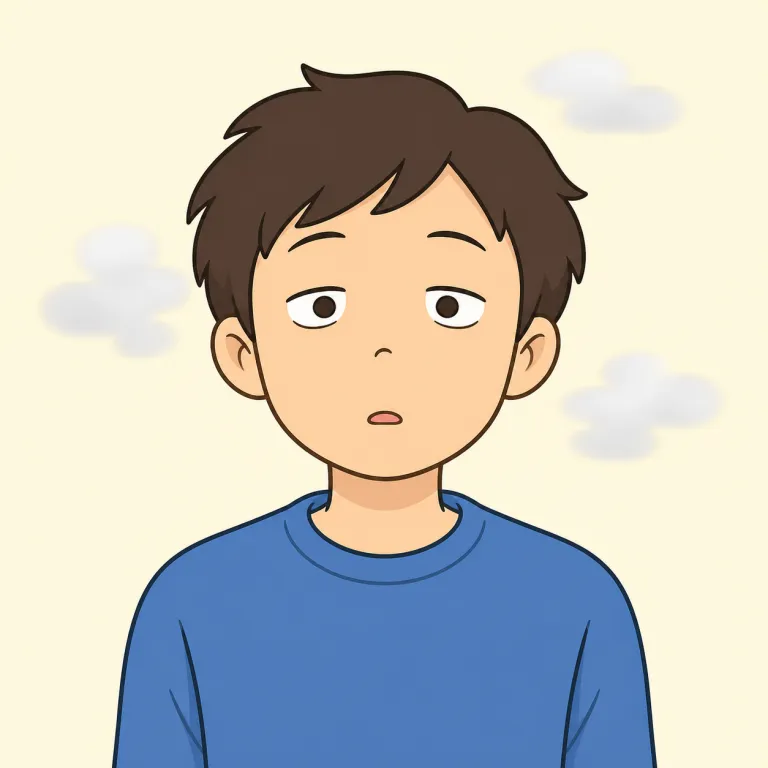
解説 Definition
表情、視線、目つきなどが生気や意識を欠いていて、ぼんやりしている様子を表す形容詞。相手の話を聞いていない、考えが空白になっている、心ここにあらずといった印象を与えるときによく使われる。
Vacant can describe a look or expression that seems empty, with little thought, feeling, or attention. It is often used about a person’s face or eyes when they seem absent-minded or emotionally blank.
覚え方のコツ Memory Tip
vacant はまず easy な empty と結びつけると覚えやすい語です。vacant room や vacant seat が「空いている」なので、そこから vacant look / vacant stare は「部屋や席のように中が空っぽな表情・視線」→ うつろ、ぼんやり、へ発想できます。人全体よりも look, eyes, expression, stare などと強く結びつくのがコツ。blank も近いですが、blank は紙・画面など無機質な“空白”にも広く使え、vacant は生気のない目つきの印象が強いです。
Remember `vacant` through common phrases like `vacant look` or `vacant stare`. The core image is "empty" eyes or face, as if the mind is not really there. That is why it feels closer to an absent expression than just being tired.
例文
She had a vacant expression on her face.
彼女はうつろな表情を浮かべていた。
The vacant stare suggested he was not paying attention.
そのぼんやりした視線から、彼が注意を払っていないことがうかがえた。
His vacant look made us worry about his health.
彼のうつろな表情を見て、私たちは健康状態が心配になった。
空いている
(意味 3)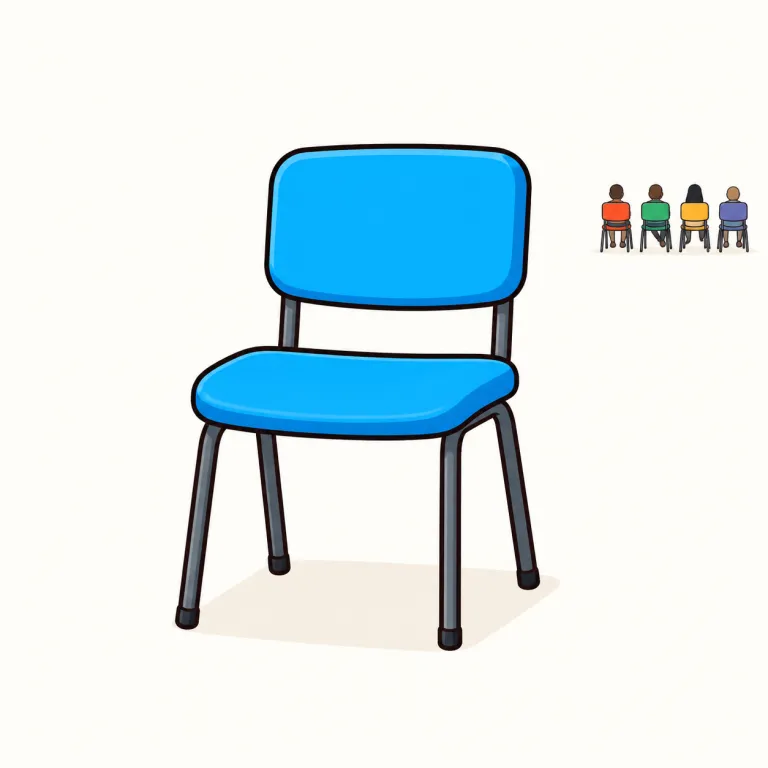
解説 Definition
部屋・席・建物・駐車スペースなどが、今だれにも使われておらず中身がない状態を表します。広告や案内では、利用可能でまだ埋まっていないという含みで使われることも多い語です。
This adjective describes a room, seat, building, or space that nobody is currently using or occupying. It can also imply that the place is available for someone to use.
例文
Is this seat vacant?
この席は空いていますか。
The apartment has been vacant since March.
そのアパートは3月から空いています。
We found a vacant parking space near the station.
私たちは駅の近くで空いている駐車スペースを見つけました。
vacant の類義語・関連語
vacant の語源・成り立ち Etymology
vacant はラテン語 vacare「空である・自由である」から来た語で、フランス語を経て英語に入りました。語幹 vac- は vacuum や vacate と同じで、「中に何もない」が核です。だから vacant room は、まだ誰にも占められていない感じまで含むのです。
The word comes through French from Latin vacare, meaning “to be empty or free.” Its vac- element expresses the central idea of something not being occupied.
同じレベルの語彙をもっと
外部辞書で調べる
この英単語をクイズで覚えよう