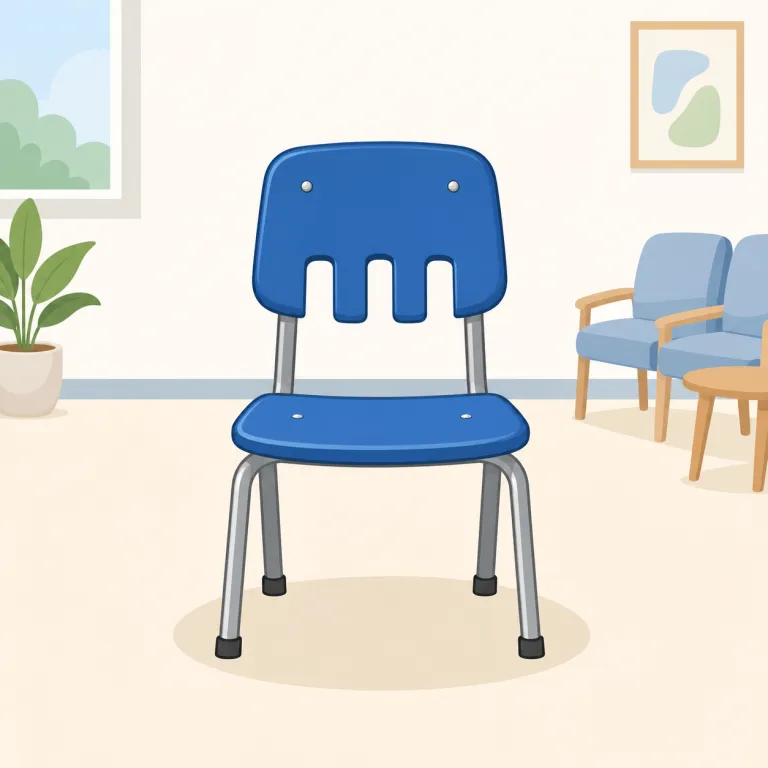
暇な、手が空いている
adjective 形容詞人が仕事や活動に従事しておらず、するべき用事がない状態を表します。場所が無人・未使用であるという意味とは異なり、人の時間や注意が空いていることに焦点があります。
「空いている」とは、人がいないか使用されていない状態であり、利用できることを示します。何も含まれておらず、からの状態も指します。
Unoccupied means empty and not being used by anyone at that time. It is commonly used for rooms, seats, buildings, or land. It can also describe a person who is not busy, though that use is less common.
まず occupied「使用中の・ふさがっている」を知っていると、頭の un- が付いて逆になるだけで理解しやすい。occupy は「場所を占める」なので、unoccupied は「占められていない」→「空いている」。empty が中身ゼロ寄り、vacant が空室・欠員寄りなのに対し、unoccupied は『今、人や物に使われていない』状態を落ち着いて述べる語。an unoccupied seat / room の形で覚えると定着しやすい。
If you know `occupied`, this word is easy because `un-` simply reverses it. Think of `occupy` as taking up a space, so `unoccupied` means the space is not being used. It is especially easy to remember in phrases like `an unoccupied seat` or `an unoccupied room`.
The apartment has been unoccupied for several months.
そのアパートは数ヶ月間空いています。
An unoccupied parking space is available near the entrance.
入り口の近くに空いている駐車スペースがあります。
The house remained unoccupied until the new owners moved in.
その家は新しい所有者が引っ越してくるまで空きのままでした。
文脈によって、次の意味でも使われます。
人が仕事や活動に従事しておらず、するべき用事がない状態を表します。場所が無人・未使用であるという意味とは異なり、人の時間や注意が空いていることに焦点があります。
国や地域が外国軍・敵軍の支配下に置かれていないことを表します。unoccupied territoryのように使い、単に人がいないのではなく、軍事的な占領が成立していない点を示します。
un-(否定)+ occupy から成る語。occupy は古フランス語を経てラテン語 occupare「つかむ・占有する」にさかのぼり、ob-「向かって」+ capere「取る」を含む。occupation, preoccupy と同根で、「占められていない」から「空いている」になった。
Unoccupied is made from un-, meaning "not," and occupied. Occupy came through Old French from Latin occupare, meaning "to seize" or "take possession of." From the idea of being taken or filled, the negative form came to mean "not taken up" and then "empty" or "available." Related words include occupation and preoccupy.
この英単語をクイズで覚えよう