
upset
upset は英検準2級・TOEIC 600レベルの英単語で、「動揺した、覆す/乱す、動揺させる」という意味があります。発音記号は /ʌpˈsɛt/ です。
動揺した
/ verb 動詞 動揺させる
解説 Definition
感情的にショックを受けて、心が落ち着かない状態を表す形容詞。悲しい知らせ、失敗、人間関係のもめごとなどのあとで、気持ちが乱れている人についてよく使う。日常会話で頻出し、単なる怒りよりも、傷つきや不安を含む動揺を示すことが多い。
Emotionally troubled and unable to feel calm, often because something has hurt, worried, or shocked you. This adjective commonly describes someone's feelings after bad news, a failure, or an argument.
覚え方のコツ Memory Tip
まず set が「置く・整える」。その前に up が付いた upset は、心の中できちんと置かれていた安定が、ぐらっと上向きにひっくり返る感じで覚えると定着しやすい語です。She was upset, Don't get upset のように、人の気持ちが落ち着かず、悲しみ・不安・ショックで乱れている状態を表します。予定や均衡を乱す upset もありますが、この形容詞では外の秩序ではなく「心の平静が崩れている」ことに焦点があります。
Imagine your feelings neatly set in place, then suddenly tipped over. In she is upset or don't get upset, picture someone's inner calm being disturbed by sadness, worry, or shock.
例文
I am upset now.
私は今、動揺しています。
She looks upset today.
彼女は今日、動揺しているようです。
My brother is upset.
私の兄は動揺しています。
覆す/乱す
(意味 2)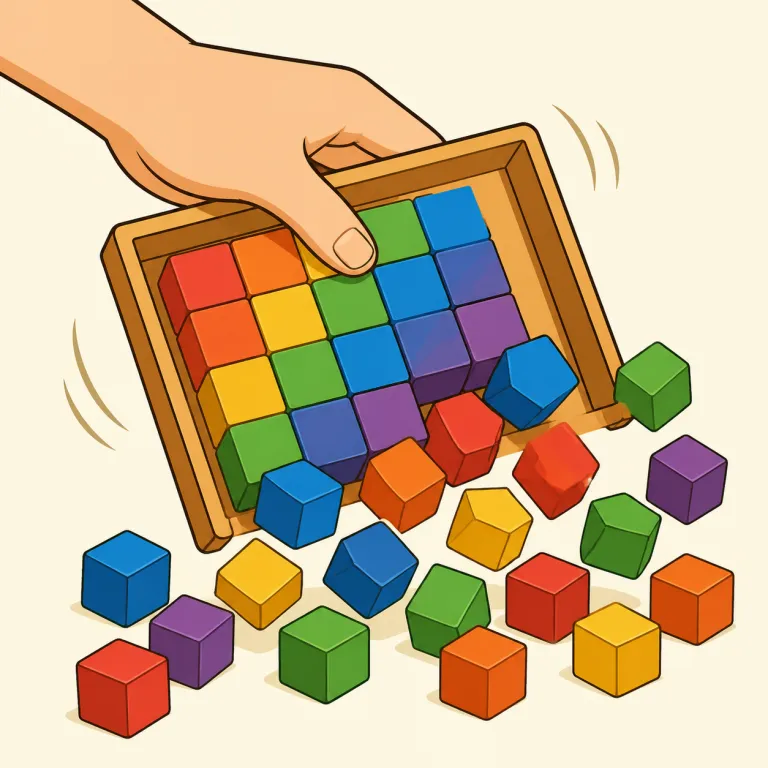
解説 Definition
動詞として、既存の状態や予想、計画、秩序などを覆す、または乱すことを表します。スポーツでは強者を破る番狂わせ、一般には安定していた状況を崩したり、予定を狂わせたりする場面でよく使われます。
To upset means to disturb a situation, system, or plan and cause problems. It can also mean to defeat someone unexpectedly in a game or competition. This verb is often used when the normal order or expected result is changed.
覚え方のコツ Memory Tip
まず set が「置く・整える」。その前に up が付いた upset は、字面どおり覚えるより「きちんと整っていたものをひっくり返して、安定を崩す」とつなげると定着しやすい語です。だから upset a plan, upset the balance, upset the market のように、予定・均衡・相場など既存の状態を乱す場面でよく使います。スポーツでは upset the favorite で「本命を倒す番狂わせ」。単なる annoy より、結果として流れや秩序まで崩す感じが強いと覚えると区別しやすいです。
See `upset` as breaking a stable situation. It often goes with things that were balanced or planned before: `upset a plan`, `upset the balance`, `upset the market`. In sports, `upset the favorite` is a good memory hook because it shows a surprising result that changes everything.
例文
The underdog team upset the champions.
格下のチームが王者を破る番狂わせを起こした。
The news upset our plans.
その知らせで私たちの予定が狂った。
The bad weather upset our plans.
悪天候で私たちの予定が狂った。
えいたんごクイズでの正答率
この語をはじめて出題された 39人 のうち 23人 が正解しました(59%)。
えいたんごクイズの回答から集計した独自データです。1人につき最初に出題されたときの1回だけを数えており、復習や2回目以降の回答、「わからない」と時間切れは含みません。 集計時点は 2026年9月19日 です。
upset の類義語・関連語
upset の語源・成り立ち Etymology
中英語 upsetten、up-(上へ)+ set(置く)から成り、「ひっくり返す」が原義。物をひっくり返す→心の安定をひっくり返す→「動揺した」へと意味が拡張した。関連語: setup(配置)、offset(相殺する)。心がいつもの位置からずれて落ち着かない感覚が「動揺した」につながる。
The word combines up and set. The image of turning something over connects with the emotional sense of having one's inner balance disturbed.
同じレベルの語彙をもっと
英検準2級の一覧へ →外部辞書で調べる
この英単語をクイズで覚えよう