chase
chase は英検準2級・TOEIC 730・TOEFL 60・IELTS 5.5レベルの英単語で、「追いかけっこ、追跡」という意味があります。発音記号は /ˈtʃeɪs/ です。
意味一覧 (2件)
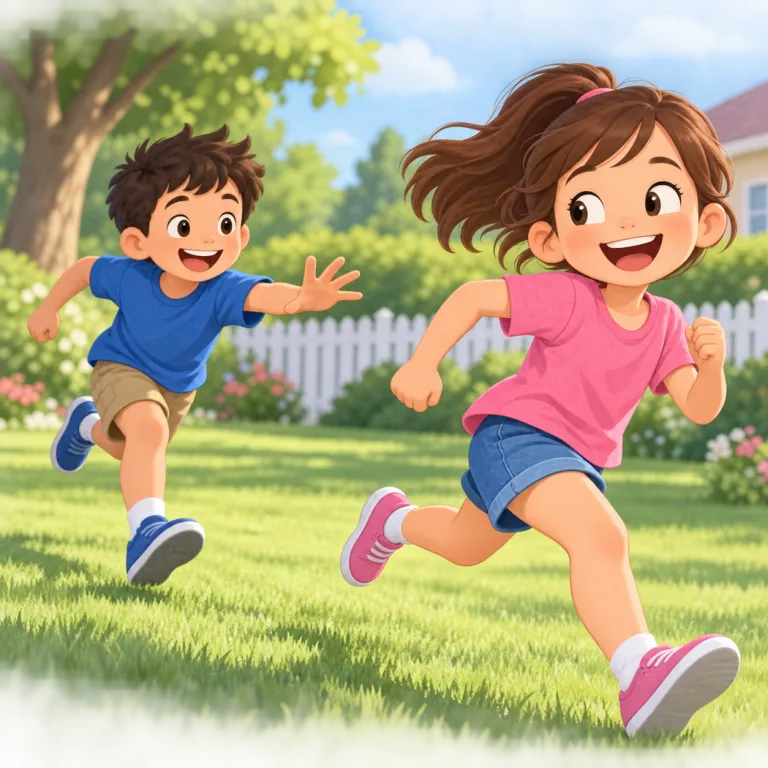
追いかけっこ
解説 Definition
子どもや動物などが互いを追って遊ぶ「追いかけっこ」。捕獲を目的とする本格的な追跡ではなく、遊びとして行う追走を表す名詞。
Chase can mean a game in which children, animals, or other participants run after one another for fun. It commonly appears in expressions such as play chase and a game of chase.
覚え方のコツ Memory Tip
chase は「追う」という動詞だけでなく、遊びとしての「追いかけっこ」を表す名詞にもなる。children played chase や a game of chase の形を手掛かりに、子どもや犬が楽しそうに追い合う場面を思い浮かべよう。本格的な追跡や捕獲ではない。
Link play chase with people or animals running after one another for fun. The word names the game here, not a serious pursuit intended to catch a target.
例文
The children played chase in the garden.
子どもたちは庭で追いかけっこをした。
Our puppy loves a game of chase.
うちの子犬は追いかけっこが大好きだ。
We played chase until it got dark.
私たちは暗くなるまで追いかけっこをした。
追跡
(意味 2)
解説 Definition
人や動物、乗り物などを捕まえたり追いついたりするために追う行為。警察の追跡や高速道路でのカーチェイスなど、目的を持った追走を表す名詞。
A chase is an act of pursuing a person, animal, or vehicle in order to catch or reach them. As a noun, it commonly describes police pursuits and other fast, purposeful attempts to catch someone or something.
覚え方のコツ Memory Tip
動詞chase「追いかける」がそのまま名詞になり、捕まえたり追いついたりするための「追跡」を表します。police chase「警察の追跡」やcar chase「カーチェイス」が頻出の組み合わせです。遊びで後をついて行くのでなく、対象を追う明確な目的と連続した動きを思い浮かべます。
Picture the verb chase turned into a noun: the act of pursuing someone or something becomes a chase. A police chase or car chase is a useful image for this purposeful sense.
例文
The police chase continued through the city.
警察の追跡は市内を通って続いた。
The film opens with a high-speed car chase.
その映画は高速のカーチェイスで始まる。
The dog gave chase when the rabbit ran away.
ウサギが逃げると、犬は追跡を始めた。
えいたんごクイズでの正答率
この語をはじめて出題された 62人 のうち 57人 が正解しました(92%)。
えいたんごクイズの回答から集計した独自データです。1人につき最初に出題されたときの1回だけを数えており、復習や2回目以降の回答、「わからない」と時間切れは含みません。 集計時点は 2026年9月19日 です。
chase の類義語・関連語
chase の語源・成り立ち Etymology
この名詞用法も動詞 chase「追う」から生じたものです。「追う」という基本動作が、互いを追って遊ぶゲームの名称として使われています。
This noun use also comes from the verb chase. The basic action of running after someone was extended naturally to the name of a game based on that action.
同じレベルの語彙をもっと
英検準2級の一覧へ →外部辞書で調べる
この英単語をクイズで覚えよう