
料金、請求額
解説 Definition
サービスや品物を使ったときに、支払うよう求められるお金の額を表します。店や会社などが「これだけ払ってください」と示す金額です。
The amount of money someone asks you to pay for a product or service. It is the cost shown on a bill or price list.
覚え方のコツ Memory Tip
charge はここでは「店や会社から支払うよう求められる金額」と覚えます。値札や請求書に金額が書かれている場面を思い浮かべましょう。a charge for lunch なら「昼食に対する料金」で、charge for A「Aの料金」が基本形です。There is a charge. は「料金がかかる」、There is no charge. は「料金はかからない」という対の表現です。free of charge「無料で」も一緒に覚えると、charge が支払うべき料金を指すことがはっきり定着します。
Think of a charge as the amount put on your bill when you use or buy something.
例文
There is a small charge.
少し料金がかかります。
There is no charge for this bus.
このバスは料金がかかりません。
The charge for lunch is five dollars.
昼食の料金は5ドルです。
突進する
(意味 2)
解説 Definition
人や動物が相手や目標に向かって勢いよく突き進むこと、またはそのまま攻撃を仕掛けることを表す動詞です。軍事・スポーツ・日常場面で使われ、制止を振り切るような激しい前進や、ためらわずに飛び込むような勢いを含みます。
To charge means to rush forward quickly and forcefully, often in attack. It is commonly used for soldiers, animals, or people moving straight ahead with strong energy.
覚え方のコツ Memory Tip
charge は『ただ速く動く』ではなく、『狙いを決めて一気に突っ込む』と覚えると残りやすい語です。run が単なる移動、rush が急ぐこと全般なのに対し、charge は相手・障害・場所へ向かう一直線の勢いと攻撃性が強めです。charge at the enemy, charge into the room, bulls charge のような型でまとめて覚えると定着します。『前へ強く押し出す力』を芯にすると、料金を請求する charge とは切り分けつつ、突進の激しさをつかみやすくなります。
Remember `charge` as more than just `run`: it means moving straight at something with force. Phrases like `charge at` and `charge into` show that strong direction clearly. It often appears with bulls, soldiers, or players, so the word carries energy and aggression.
例文
The army decided to charge at the enemy.
軍は敵に向かって突進することを決めた。
The bull began to charge toward the matador.
その雄牛は闘牛士に向かって突進し始めた。
Without warning, he charged into the room.
彼は何の前触れもなく、勢いよく部屋に飛び込んだ。
請求する
(意味 3)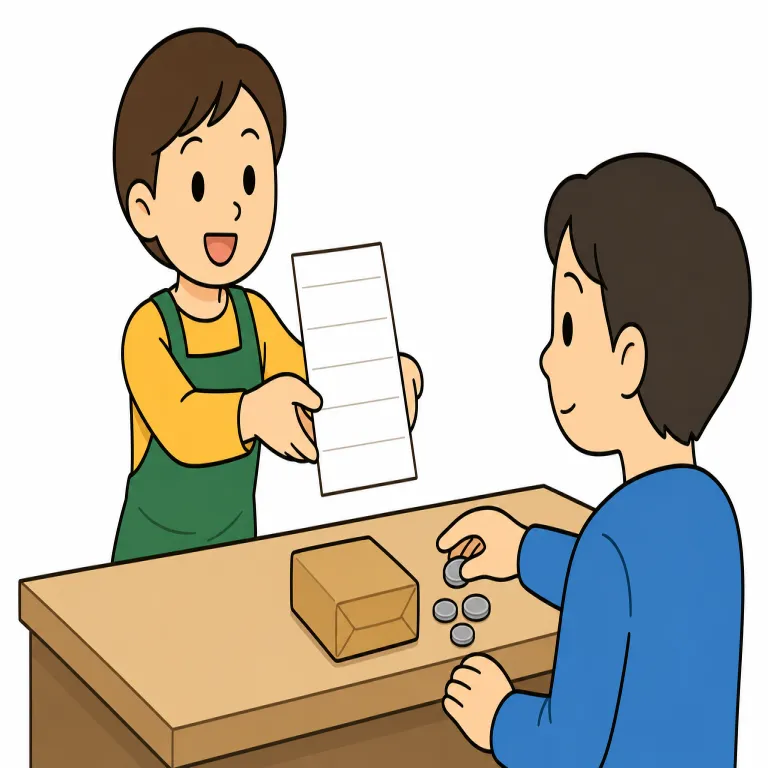
解説 Definition
サービスや商品に対して代金や料金を求めるときに使う。店や会社、カード会社などが客に金額を請求する場面でよく現れ、何にいくらかかったかを具体的に示す言い方と相性がよい。ホテル代、手数料、授業料など幅広い支払いの文脈で使え、不当な追加料金の話でもよく使う。
This verb means to require someone to pay a particular amount for a product or service. It is often used with the customer, the amount, and the reason for the payment.
覚え方のコツ Memory Tip
charge は料金の文脈では「相手に金額を負わせる」と覚えると残りやすい語です。The hotel charged us an extra fee のように、店や会社が客に代金・手数料・追加料金を載せる感じです。突進する charge は「前へ押し出す勢い」だが、請求する charge は相手へ勢いよく向かうのではなく、支払い義務を相手の側に載せる意味だと切り分けると使いやすい。charge $20 for delivery の型で、何にいくら請求するかをセットで覚えると定着します。
Imagine a business placing a payment obligation on a customer. Learn the patterns charge someone a fee and charge an amount for something to remember how the customer, price, and service fit together.
例文
The hotel charged us an extra fee for late checkout.
ホテルはレイトチェックアウトに追加料金を請求した。
They charged $20 for delivery.
彼らは配達料として20ドルを請求した。
My bank charged me a fee for the transfer.
利用している銀行からその振込の手数料を請求された。
充電する
(意味 4)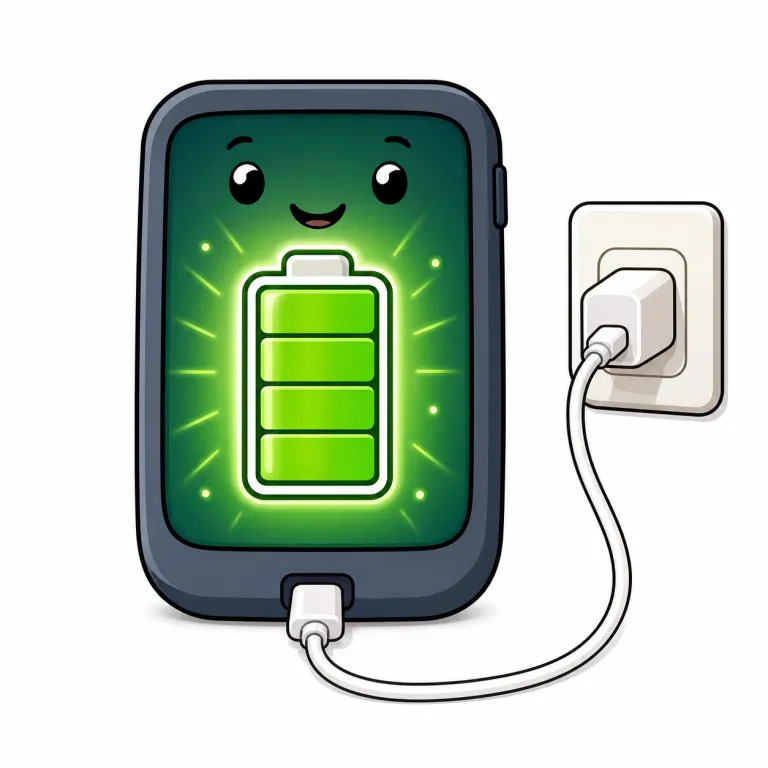
解説 Definition
電池や機器に電気をためて使える状態にする意味で使う。スマートフォン、ノートPC、電気自動車など日常の機器によく用いられ、充電器やケーブルと一緒に語られることが多い。残量が少ない場面や、出発前に電源を確保したい場面で特によく使う。
This verb means to put electrical energy into a battery or device so that it can be used. It is commonly used when phones, laptops, and electric vehicles are connected to a power source.
覚え方のコツ Memory Tip
charge は機器の話では「電気を中に積み込む」と覚えると自然です。スマホや電池が空に近いとき、ケーブルをつないでエネルギーを入れて使える状態にするのが charge です。突進する charge は相手へ一気に向かう動きだが、充電する charge はスマホやバッテリーの中へ電気をためる動き、と切り分けると混乱しにくい。charge my phone, charge the batteries の形で、機器や電池を目的語にして覚えると定着します。
Picture charge as loading electricity into a device, just as you might load goods into something. Learn it with common phrases such as charge my phone and charge the batteries.
例文
I forgot to charge my phone last night.
昨夜スマホを充電し忘れた。
We charged the batteries before the hike.
私たちはハイキング前に電池を充電した。
The car is charging in the garage.
その車は車庫で充電中だ。
告発する
(意味 5)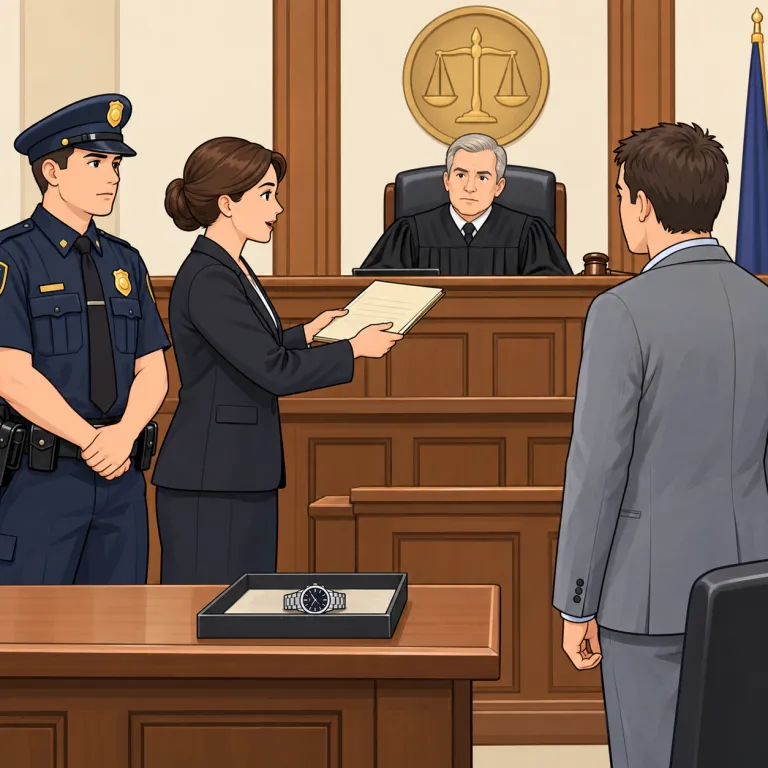
解説 Definition
犯罪や不正をしたとして人を正式に訴えたり責任を問うときに使う。警察や検察、裁判の文脈で多く、誰をどんな罪で告発したかを明示する形で現れる。日常的な『非難する』よりも法的で硬い響きがあり、charge A with B の形も頻出する。
This verb means to formally accuse a person or organization of committing a crime. It is mainly used in legal contexts involving the police, prosecutors, or courts.
覚え方のコツ Memory Tip
charge は法的な文脈では「罪や責任を相手に負わせる」と覚えると残りやすい語です。The police charged him with theft のように、警察や検察が人に具体的な罪名を載せる感じです。突進する charge は相手へ向かう攻撃的な動きだが、告発する charge は法的責任を正式に課す意味で、日常の軽い非難より硬い響きがあります。charge A with B の型で「AをBの罪で告発する」とまとめて覚えると使いやすい。
Imagine the authorities placing the weight of a specific crime on someone. Remember the pattern charge A with B, meaning to formally accuse A of crime B.
例文
The police charged him with theft.
警察は彼を窃盗の罪に問うた。
She was charged after the investigation ended.
捜査が終わった後、彼女は罪に問われた。
Prosecutors charged the company with fraud.
検察はその会社を詐欺罪で起訴した。
charge の類義語・関連語
類義語
派生語
charge の語源・成り立ち Etymology
古いフランス語の chargier に由来し、「荷を積む」「負わせる」という意味がありました。そこから、人に支払いを負わせる金額、つまり料金や請求額を表すようになりました。
Charge comes from Old French chargier, meaning "to load" or "to place a burden on." The money sense developed from the idea of placing a payment on someone.
同じレベルの語彙をもっと
外部辞書で調べる
この英単語をクイズで覚えよう