回った
解説 Definition
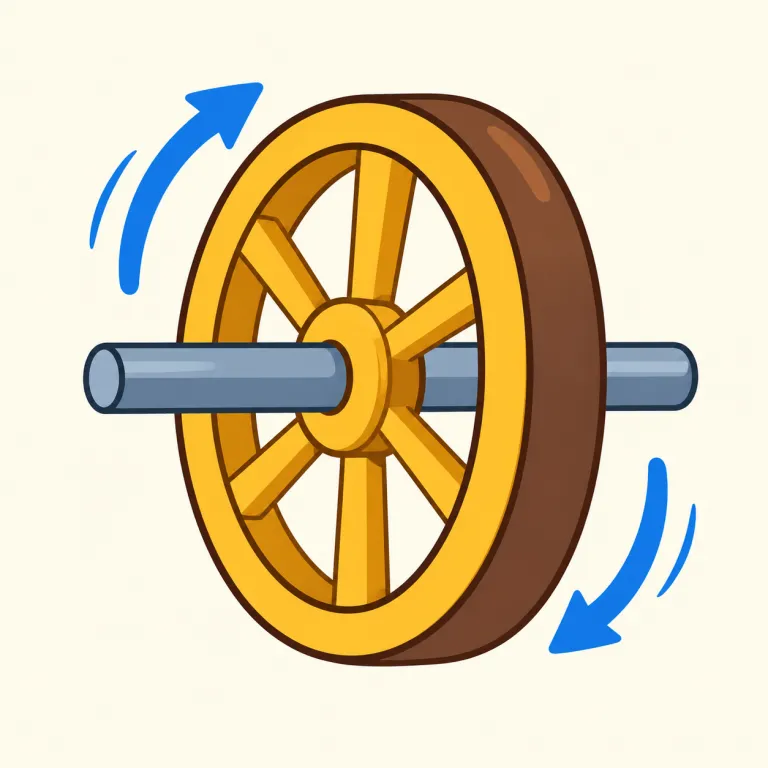
turned は turn(回る、向きを変える)の過去形・過去分詞です。物や人が回ったり、向きや方向を変えたりしたことを表します。文脈によって「曲がった」「振り向いた」と訳すこともあります。
Turned is the past tense and past participle of turn. It indicates that someone or something rotated, changed direction, took a different route, or moved to face another way.
覚え方のコツ Memory Tip
原形 turn「回る・向きを変える」に -ed を付けた規則変化で、turn–turned–turned となります。turn の末尾が有声音なので -ed は /d/ と発音します。the wheel turned「車輪が回った」、turned right「右へ曲がった」、turned and looked「振り向いて見た」の三場面を結び付けましょう。
Remember turned as turn + -ed. It is the regular past-tense and past-participle form of turn, and the ending is pronounced /d/. Connect it with common patterns such as the wheel turned, turned right, and turned and looked.
例文
The wheel turned slowly.
車輪はゆっくり回りました。
She turned to the right.
彼女は右に曲がりました。
He turned and looked at me.
彼は振り向いて私を見ました。
turned の類義語・関連語
類義語
対義語
紛らわしい語
turned の語源・成り立ち Etymology
turnは古英語tyrnanと古フランス語tornerを経て、ラテン語tornare(旋盤で回す)に遡る。さらにギリシャ語tornos(旋盤・コンパス)が語源で、「円を描く道具」が原義。関連語にtournament(馬上試合=回り合う)、tornado(竜巻)がある。「回転する道具」から「回る」動作全般に意味が広がった。
Turned is the inflected form of turn. The verb turn entered Middle English through Old French torner, from Latin tornare, meaning “to turn on a lathe.” This is related to Latin tornus and Greek tornos, words associated with a lathe or a tool for making circles.
同じレベルの語彙をもっと
外部辞書で調べる
この英単語をクイズで覚えよう