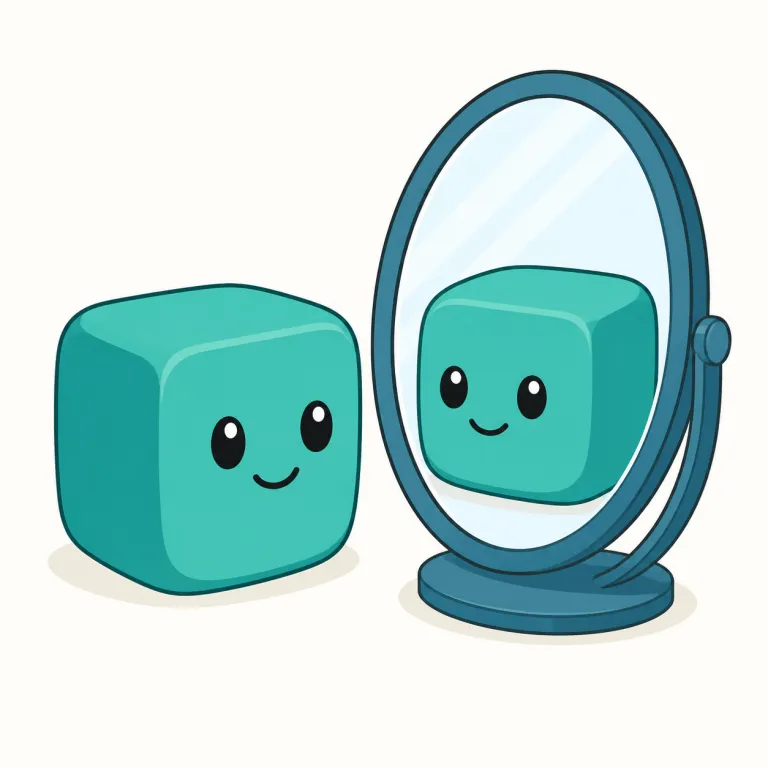
itself
itself はTOEIC 600レベルの英単語で、「それ自体」という意味があります。発音記号は /ɪtˈself/ です。
それ自体
解説 Definition
it の再帰・強調形で、「それ自身」「それ自体」を表す語。主語と同じものを受けて「それ自身が」と言うときや、ほかの要素ではなく対象そのものを強調して「それ自体は」と述べるときに使う。抽象的な議論でもよく現れる。
Itself refers back to a thing, animal, or idea that was already mentioned. It is used when the subject and object are the same, or to give special emphasis to the thing alone. It is common in more careful or formal explanations.
覚え方のコツ Memory Tip
`it + self` と見て、`myself / yourself / himself` と同じ「self 系列」の一員だと押さえると覚えやすいです。意味はまず「そのもの自身」。`The problem itself is simple.` なら「問題それ自体は簡単」。人や原因など周辺ではなく、対象そのものに焦点を当てる語です。`by itself` で「ひとりで・自然に」、`in itself` で「それ自体として」。`it` だけより強調が入る感覚を持つと定着します。
See it as `it + self`, from the same family as `myself`, `yourself`, and `himself`. It helps focus attention on the thing alone, as in `the problem itself`. Useful patterns like `by itself` and `in itself` make the word easier to remember.
例文
The door opens by itself.
そのドアはひとりでに開く。
The light turns itself off.
その明かりは自動で消える。
The toy moves by itself.
そのおもちゃはひとりでに動く。
itself の類義語・関連語
紛らわしい語
itself の語源・成り立ち Etymology
it と self が結び付いた語で、self は「自身」を表す古い語に由来する。英語では myself, yourself, himself などと同じ系列に属し、再帰用法と強調用法の両方を担う。
Itself is made from it and self. Self comes from Old English self or sylf, meaning "the same person or thing," and it belongs to the same pattern as myself, yourself, and himself. The compound developed as English built a regular set of forms used for emphasis and reflection.
同じレベルの語彙をもっと
TOEIC 600の一覧へ →外部辞書で調べる
この英単語をクイズで覚えよう