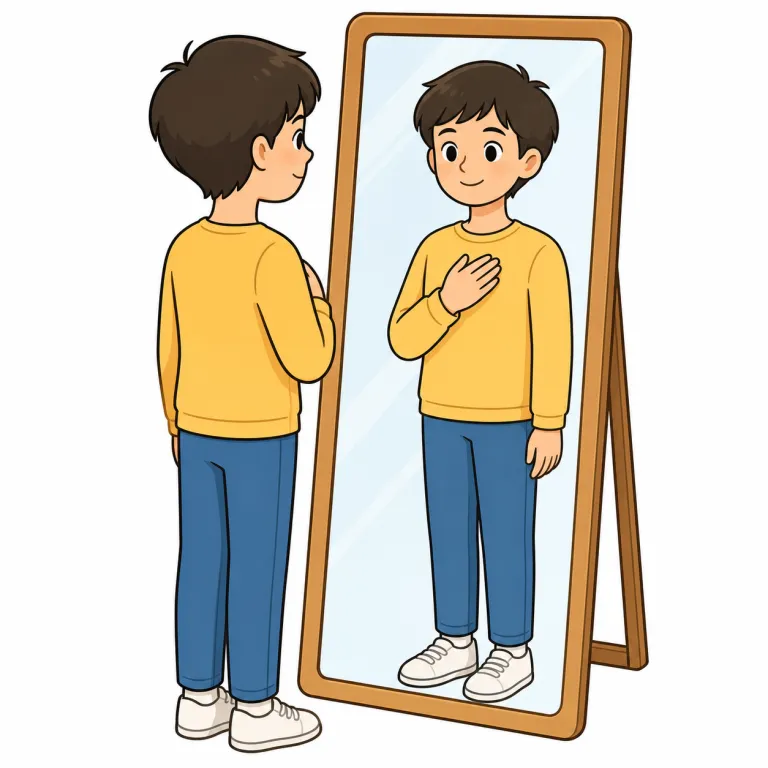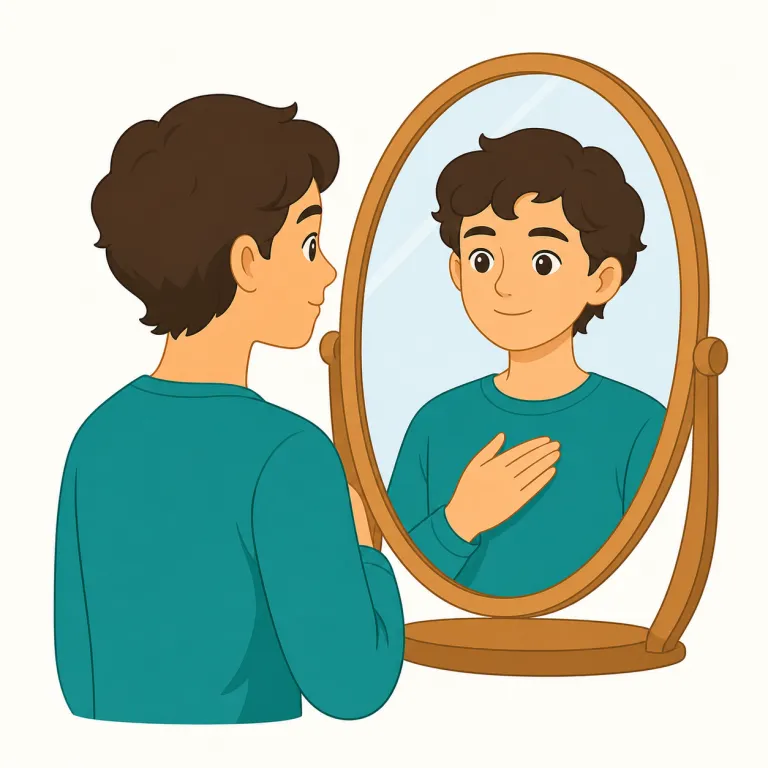
myself
myself はTOEIC 600レベルの英単語で、「自分を、自分に、私自身、自分で」という意味があります。発音記号は /maɪˈself/ です。
自分を、自分に
解説 Definition
主語が I のとき、動作や気持ちの向かう先が話し手自身であることを示す再帰代名詞です。hurt myself や buy myself のように目的語や補語として使われ、「自分を」「自分に」の意味になります。強調の myself と違い、文の内容に必要な要素です。
Myself is a reflexive pronoun used when the subject is I and the action or feeling comes back to the speaker. It is used as an object or complement, so it is a necessary part of the sentence, not just extra emphasis. It can mean that the speaker does something to or for their own person.
覚え方のコツ Memory Tip
my+self と見れば、「私」に self が重なって“自分そのもの”を指す語だとつかめる。まず yourself、himself などと同じ再帰代名詞の仲間として覚えると整理しやすい。動作が自分に戻る I hurt myself. の型と、強調の I myself did it. の型を分けて記憶すると混乱しにくい。by myself は「ひとりで/自力で」で頻出。単独で主語にしにくい点にも注意。
Think of myself as my + self: it points back to “my own self.” Learn it with other reflexive pronouns such as yourself and himself. Keep the pattern I hurt myself separate from the emphasis pattern I myself did it. Also remember by myself, which often means “alone” or “without help.”
例文
I cut myself while cooking dinner.
夕食を作っているときに自分を切ってしまった。
I bought myself a new notebook for work.
仕事用に自分に新しいノートを買った。
I had to remind myself to stay calm.
落ち着くように自分に言い聞かせなければならなかった。
私自身
(意味 2)解説 Definition
myself は一人称単数の再帰・強調を表す語で、「自分自身を」「私自身で」のように使う。目的語なら主語と同じ人物に作用が戻ることを示し、主語や名詞の後ろでは「ほかでもない自分」を強める。by myself では「一人で」の意味にもなる。
Myself is a pronoun used when the speaker is also the person affected by the action. It can also be used for emphasis to mean the speaker personally. It should not usually replace I or me in normal grammar.
覚え方のコツ Memory Tip
myself は my+self からできた語で、「話し手である私そのもの」を指すと考えると「私自身」を覚えやすい。これは「自分で何かをする」という基本義とは別に、I myself saw it. のように、ほかの人ではなく私本人だと強調する用法に注目する項目。I や me の代わりにいつでも使える語ではなく、強調したい名詞や主語に添える感覚で整理する。
See `myself` as `my` + `self`, so the meaning stays close to your own person. It helps to remember two main patterns: `I hurt myself` for actions that return to you, and `I myself did it` for emphasis. Also fix `by myself` in memory, because it is very common for `alone` or `without help`.
例文
I made this cake myself.
私はこのケーキを自分で作った。
I hurt myself while cooking.
私は料理中にけがをした。
I need some time to think by myself.
私は一人で考える時間が必要だ。
自分で
(意味 3)解説 Definition
myself は、話し手が行為を他人に任せず「自分で」行うことを示す代名詞です。I did it myself. のように動詞の後ろに置き、本人が直接したことや手助けなしで行ったことを強調します。by myself は「一人で」にもなります。
Myself is used when the speaker wants to show that they did something without asking another person to do it. It often comes after a verb to emphasize that the speaker personally did the action. It can also show that the speaker did something without help. In the phrase by myself, it can mean alone.
覚え方のコツ Memory Tip
myself は my+self と分けると、「私の self=自分」に意識が向く。I did it myself. では、した人が他人ではなく話し手本人だと強めるので「自分で」と覚えるとよい。yourself、himself なども同じ型で、人称だけが変わる。なお「私自身」という訳で人そのものを強調する別の使い方もあるが、この項目では行為を本人が行う点に注目する。
You can remember myself by splitting it into my + self, which points to the idea of "my own self." In I did it myself, the word strongly shows that the speaker, not another person, did the action. Words like yourself and himself follow the same pattern, with only the person changing. In this entry, focus on the meaning of doing something by yourself.
例文
I fixed the computer myself.
私はそのコンピューターを自分で直した。
She didn't write the report for me; I wrote it myself.
彼女に報告書を書いてもらったのではなく、私が自分で書いた。
I went to the museum by myself on Sunday.
日曜日に私はその美術館へ自分で行った。
myself の語源・成り立ち Etymology
my と self が結び付いた語で、直訳すると「私という自己」。中英語で定着し、さらに古英語 self にさかのぼる。yourself、himself などと同じ再帰代名詞の仲間で、主語に戻る関係を示す。
Myself comes from my and self, literally meaning “my own self.” It became established in Middle English and goes back to Old English self. It belongs to the same group as yourself and himself, which show that an action returns to the subject.
外部辞書で調べる
この単語を英単語クイズで覚えよう