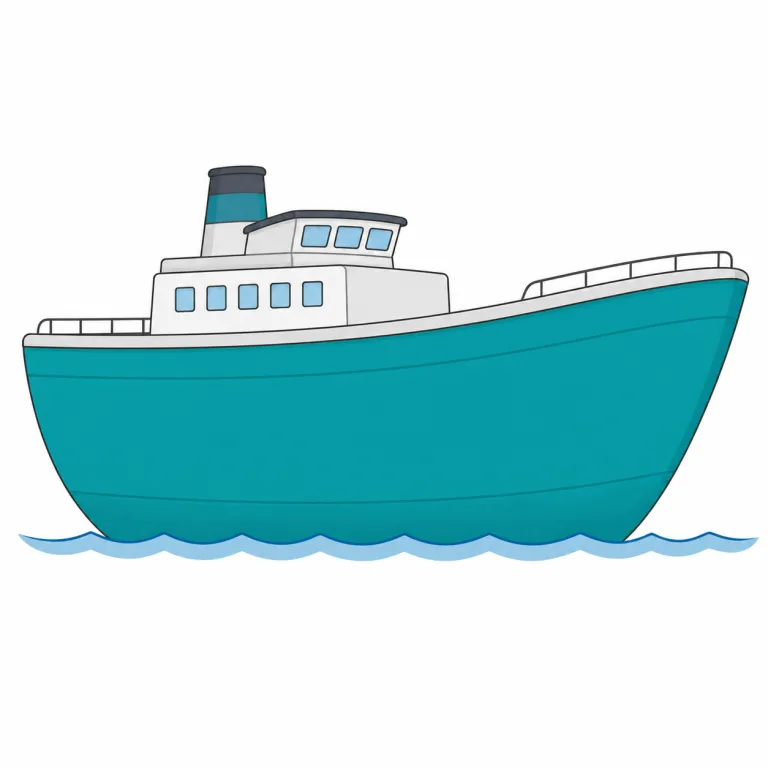
hull
hull は英検1級レベルの英単語で、「船体、殻、外皮」という意味があります。発音記号は /hʌl/ です。
意味一覧 (2件)
船体
解説 Definition
船体とは、船の水に触れる外側の構造部分を指します。船の強度を確保して水の圧力や波の衝撃に耐えると同時に、船内を守り浮力を生み出す主要な役割を果たします。
A hull is the main outer body of a ship or boat. It is the part that floats on the water and holds the structure together. The word can also be used for the outer covering of some seeds or fruits in other contexts.
覚え方のコツ Memory Tip
hull はまず「船のボディのうち、水に触れている外側の殻」とまとめて覚えると定着しやすいです。船全体 ship ではなく、外板を含む“入れ物部分”に意識を置くのがコツ。実は種や実の「殻」にも hull が使われるので、「中身を守る外側」という共通イメージで一本化できます。使う場面は ship’s hull, steel hull, hull damage など。hall や hole と見間違えやすいので、u を見たら「中身を包む殻」と結びつけると崩れません。
Think of the `hull` as the outer body that holds and protects what is inside. For a ship, it is the main shell touching the water. The same idea appears in seed or nut hulls: an outside covering around the inside part. That one image, outer protective shell, helps in both uses.
例文
The boat's hull hit a rock in the storm.
嵐の中で船体が岩にぶつかりました。
They checked the hull before the boat left.
船が出る前に船体を確認しました。
Paint protects the hull from salt water.
塗装は船体を海水から守ります。
殻、外皮
(意味 2)解説 Definition
hull は、種子・豆・穀物・果実などの外側を包む殻や皮を指す名詞です。中身を守る外層を述べる語で、農業・食品加工・植物の説明でよく使われます。食べる部分や実そのものではなく、取り除かれる外側を表す点が特徴です。
覚え方のコツ Memory Tip
hull はまず「中身を包む外側の殻」とまとめて覚えると定着しやすいです。ここでは ship’s hull の船体ではなく、sunflower seed hull や rice hull のように、種子・豆・穀物の外皮を指します。食べる中身ではなく、取り除かれる外側に意識を置くのがコツ。船の hull も同じく中身を守る外殻なので、共通イメージは使えますが、この行では植物や食品の「殻・外皮」に焦点を置きます。hall や hole と見間違えやすいので、u を見たら「中身を包む殻」と結びつけると崩れません。
例文
Remove the hulls from the sunflower seeds before eating them.
食べる前にヒマワリの種の殻を取り除いてください。
The rice hull protects the grain during growth.
もみ殻は生育中の米粒を守っている。
This bean has a hard hull.
この豆には硬い外皮がある。
hull の類義語・関連語
hull の語源・成り立ち Etymology
古英語 hulu(殻、覆い)に由来し、種子の殻や果実の外皮を指した語が船の外殻にも転用された。語根は「覆い隠す」意味の印欧祖語 *kel- に遡り、hull は船を水から守る「殻」という発想。関連語: hole(穴)、helm(兜)も同根で「覆うもの」の概念を共有する。
Hull comes from Old English hulu, meaning "husk, shell, or covering." It first referred to the outer covering of a seed or fruit. Later, the same image of a protective outer shell was applied to the body of a ship. It is linked to an old Indo-European root meaning "cover" or "hide."
同じレベルの英単語をもっと
英検1級の一覧へ →外部辞書で調べる
この単語を英単語クイズで覚えよう