覚悟を決めさせる、心を固める
verb 動詞困難や不快な出来事に耐えられるよう、自分や他人の気持ちを強くすることを表します。通常は steel oneself for or against something の形で使い、単に準備するよりも精神的な覚悟や緊張を伴います。
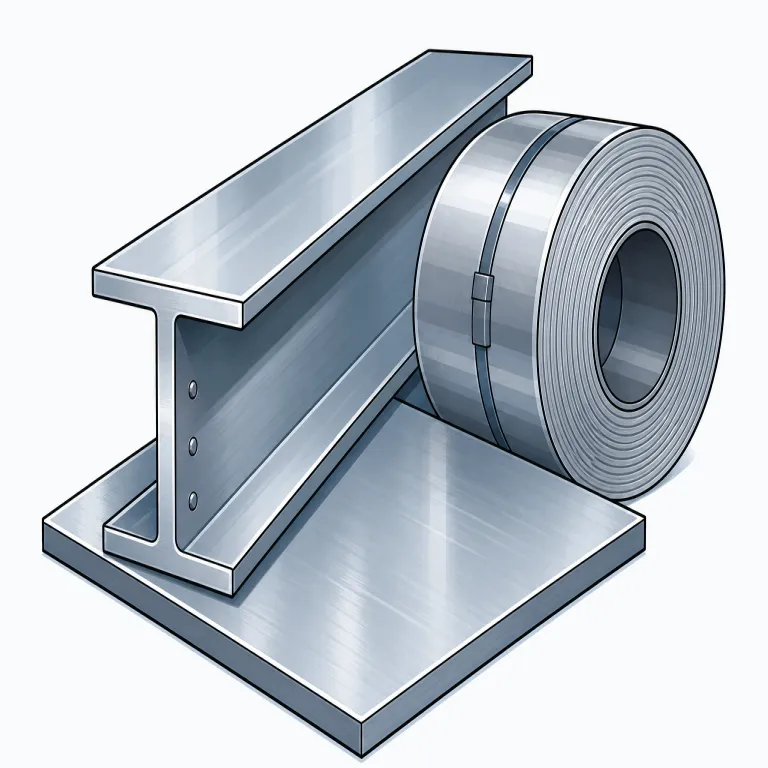
steel が名詞で使われると、鉄を主成分とする硬くて丈夫な金属素材である「鋼」を指します。建物、自動車、工具、刃物など、強さや耐久性が求められる場面で広く使われる基本語です。
This is a hard, strong metal material made mainly from iron. It is widely used for buildings, vehicles, tools, and blades because of its strength and durability.
steel は、建物の骨組みや橋、工具、刃物に使われる硬く丈夫な金属「鋼」です。iron「鉄」をもとにした合金で、強度や耐久性が必要な材料として使われる、と押さえると具体的に覚えられます。steal「盗む」と発音が同じなので、つづりは ee の steel が金属だと区別してください。
Picture the strong metal in a bridge frame, tool, or knife. It sounds exactly like steal, but the spelling with double e refers to the metal.
The bridge is made of steel.
その橋は鋼でできている。
Steel is widely used in construction.
鋼は建設で広く使われる。
This knife is made from high-quality steel.
このナイフは高品質の鋼で作られている。
文脈によって、次の意味でも使われます。
困難や不快な出来事に耐えられるよう、自分や他人の気持ちを強くすることを表します。通常は steel oneself for or against something の形で使い、単に準備するよりも精神的な覚悟や緊張を伴います。
古英語 stēl(硬い金属)からゲルマン祖語 *stahlją に遡る。「固く立つ」を意味する印欧語根 *stak- が起源で、硬さ・強さの象徴。関連語:steel oneself(覚悟を決める)。金属の硬さから「鋼のような、断固とした」という形容詞用法が生まれた。
Steel comes from Old English stēl, meaning a hard metal, and is traced to Proto-Germanic *stahlją. Its history reflects the material's association with hardness and strength.
この英単語をクイズで覚えよう