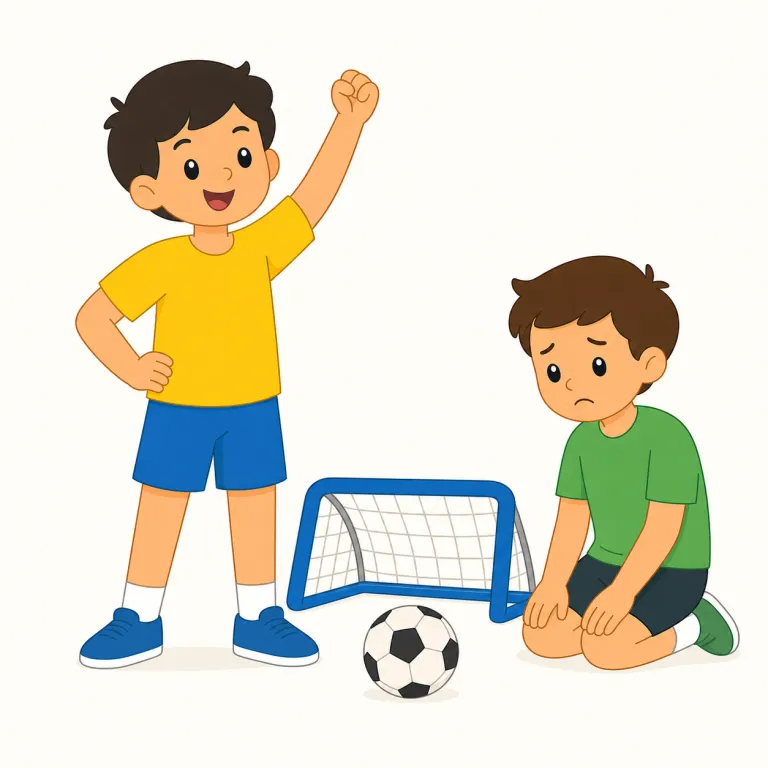
defeat
defeat は英検準2級・TOEIC 730・TOEFL 60・IELTS 5.5レベルの英単語で、「負かす、打ち負かす、敗北」という意味があります。発音記号は /dɪˈfiːt/ です。
意味一覧 (2件)
負かす、打ち負かす
解説 Definition
戦い、試合、競争などで相手に勝ち、負けを認めさせることを表す動詞です。軍事的な文脈で敵を打ち破る場合にも、スポーツや選挙、議論などで相手を上回って勝利する場合にも広く使われ、相手を無力化するという含みが比較的強い語です。
To defeat someone means to win against them in a game, competition, fight, or argument. It is used when one person, team, or group is more successful than the other. It often suggests a clear result, especially in sports, war, or formal contests.
覚え方のコツ Memory Tip
まずはやさしい beat「勝つ・打ち負かす」とセットで覚えると残りやすいです。defeat も中心は「相手を負かす」ですが、beat より硬く、結果として相手をしっかり打ち破る響きがあります。戦争なら defeat the enemy、選挙や試合でも defeat an opponent のように使えます。win は「勝利を得る」、beat/defeat は「相手を負かす」と整理すると混同しにくいです。受け身の be defeated「敗れる」も頻出です。
Remember `defeat` with the easier verb `beat`. Both mean winning against someone, but `defeat` sounds more formal and complete, like in war, elections, or sports. Also connect it with `be defeated`, a very common passive form.
例文
Our team defeats their team.
私たちのチームは相手のチームを負かします。
I defeated my friend at tennis today.
今日、テニスで友だちを負かしました。
She defeated him in the game.
彼女はその試合で彼を負かしました。
えいたんごクイズでの正答率
この語をはじめて出題された 52人 のうち 46人 が正解しました(88%)。
えいたんごクイズの回答から集計した独自データです。1人につき最初に出題されたときの1回だけを数えており、復習や2回目以降の回答、「わからない」と時間切れは含みません。 集計時点は 2026年9月19日 です。
敗北
(意味 2)
解説 Definition
名詞のdefeatは、試合や選挙、戦い、交渉などで相手に負けること、またはその結果としての負けを表す。結果そのものを比較的客観的に述べる語で、深刻な失敗全般よりも対立や勝負での負けに焦点がある。a defeatの形で一回の敗北を数える言い方も多い。
The result of losing to an opponent in a match, election, battle, or other contest. It can refer to one particular loss.
覚え方のコツ Memory Tip
動詞 defeat「打ち負かす」の結果として残る名詞が defeat「敗北」だと考えると覚えやすいです。The team suffered a defeat なら、誰かを負かす動作ではなく、チーム側に残った「負け」という結果。win が「勝利」、defeat はその反対側の「敗北」と並べると整理しやすいです。a heavy defeat, an election defeat のように、一回の負けを数える名詞として使う点も押さえましょう。
Pair a win with a defeat to remember the two opposite results of a contest. In suffer a defeat, the noun names the losing side's result.
例文
The game ended in defeat for our team.
その試合は私たちのチームの敗北に終わった。
The defeat made the players sad.
その敗北で選手たちは悲しんだ。
After the defeat, we practiced more.
敗北のあと、私たちはもっと練習した。
defeat の類義語・関連語
defeat の語源・成り立ち Etymology
defeat は古フランス語 defaite・desfaire に由来し、さらにラテン語 dis-「離れて」と facere「作る・する」にさかのぼります。原義は「作ったものをほどく、無にする」で、そこから相手を打ち破る意味へ発展しました。関連語は fact、manufacture。
Defeat came into English through Old French defaite and desfaire, from Latin dis- "apart" and facere "to make or do." The earliest sense was "to undo" or "unmake" something that had been done. From that idea, it developed into "overthrow" or "beat" an opponent. Related English words from the same Latin root include fact and manufacture.
同じレベルの語彙をもっと
英検準2級の一覧へ →外部辞書で調べる
この英単語をクイズで覚えよう