opponent
opponent は英検2級・TOEIC 860・TOEFL 80・IELTS 6.5レベルの英単語で、「相手、反対者」という意味があります。発音記号は /əˈpoʊnənt/ です。
意味一覧 (2件)
相手
解説 Definition
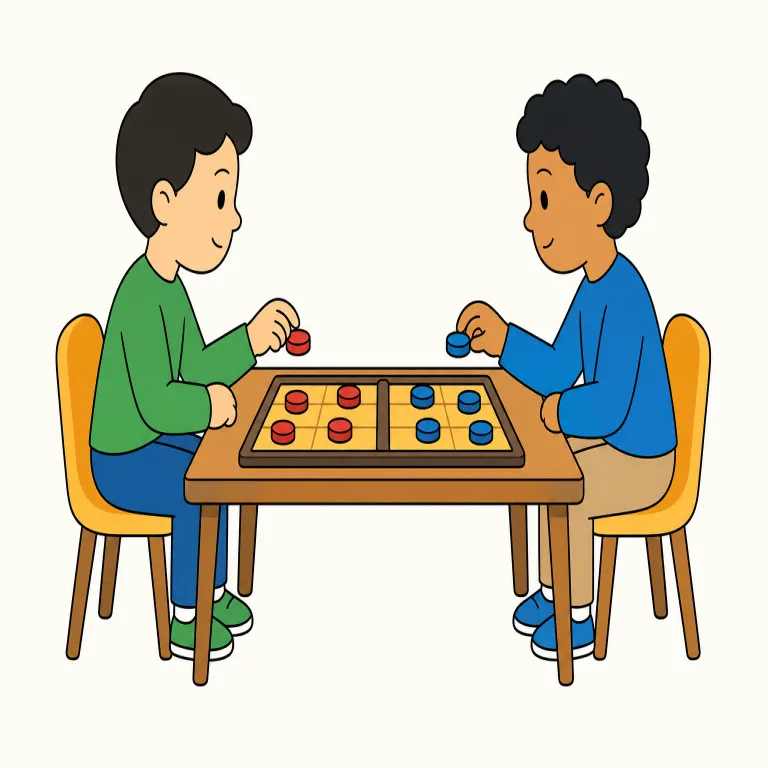
相手(あいて)とは、スポーツ、政治、ビジネス、議論など様々な文脈で、自分と対立または競争する人のことです。敵や競争者を意味します。
An opponent is the person or team you compete against in a game, contest, argument, or fight. The word is common in sports, debates, and other competitive situations. It means the other side, not an enemy in every case.
覚え方のコツ Memory Tip
まず oppose(反対する)や opposite(反対側の)を知っていると覚えやすい語。opponent は「自分の向かいで反対・対戦してくる人」。sports opponent, political opponent のように、試合・討論・選挙など“直接ぶつかる場面”で出やすい。enemy ほど強い敵意はなく、rival よりもその場で向き合う相手という感じ。partner と逆の位置にいる語として整理すると定着しやすい。
Think of `oppose` and `opposite`. An `opponent` is the person on the opposite side, facing you in a game, debate, or election. It is often more direct and situational than `rival`, and usually less emotional than `enemy`.
例文
My opponent played very well in the game.
試合相手はとても上手にプレーしました。
She beat a strong opponent in the race.
彼女はレースで強い相手に勝ちました。
The player said hello to her opponent before the game.
その選手は試合前に相手に挨拶しました。
えいたんごクイズでの正答率
この語をはじめて出題された 45人 のうち 27人 が正解しました(60%)。
えいたんごクイズの回答から集計した独自データです。1人につき最初に出題されたときの1回だけを数えており、復習や2回目以降の回答、「わからない」と時間切れは含みません。 集計時点は 2026年9月19日 です。
反対者
(意味 2)
解説 Definition
意見・計画・政策・提案などに反対する人を指します。試合の「相手」ではなく、立場や考え方の面で対立する人という意味で使われます。政治や議論、社会問題の文脈でよく現れます。
A person who disagrees with and takes a position against a plan, policy, proposal, or idea. This noun is common in discussions of politics and social issues.
覚え方のコツ Memory Tip
opponent は oppose(反対する)から、「反対する人」と覚えると定着しやすいです。opponents of the plan なら「その計画への反対者」、a strong opponent of animal testing なら「動物実験に強く反対する人」です。試合の相手を指すこともありますが、この語義では政策・提案・考えに対して反対の立場にいる人を思い浮かべます。supporter(支持者)の反対側にいる人として整理すると混同しにくいです。
Connect opponent with oppose, meaning to be against something. Picture this person standing on the other side of a debate from a supporter. Remember an opponent of the plan to link the person with the proposal they reject.
例文
Opponents of the new law gathered outside city hall.
その新しい法律に反対する人たちは市役所の外に集まった。
She is a strong opponent of animal testing.
彼女は動物実験に強く反対している。
Some supporters became opponents of the plan.
その計画を支持していた人の中には、反対者になった人もいた。
opponent の類義語・関連語
opponent の語源・成り立ち Etymology
ラテン語 opponere(ob-「against」+ ponere「置く」)から古フランス語を経て英語に入った。「向かい側に置かれた者」が原義。関連語:oppose(反対する)、position(位置)。対面に立つ相手というイメージそのままの語源。
"Opponent" came into English through Old French from Latin opponere, made from ob- meaning "against" and ponere meaning "to place." Its original idea was someone "placed against" another person. From that, it developed into the sense of a person facing you in conflict or competition, related to words like "oppose" and "position."
同じレベルの語彙をもっと
英検2級の一覧へ →外部辞書で調べる
この英単語をクイズで覚えよう