ふざける、言うことをきかない
phrasal_verb 句動詞主にイギリス英語で、子供などが騒いだり反抗したりして行儀悪く振る舞うことを表します。自動詞としてThe children are playing upのように使われます。
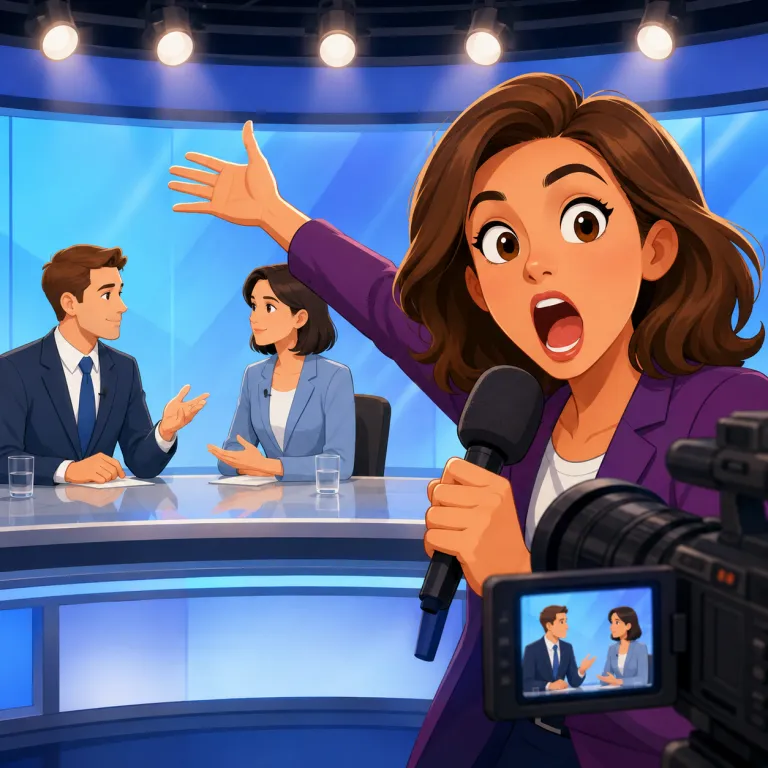
play up は英検1級レベルの英熟語で、「強調する」という意味があります。発音記号は /ˈpleɪ ˈʌp/ です。
ある事柄を実際以上に大きく見せたり、重要性を誇張して伝えること。
To play up something means to make it seem more important, noticeable, or impressive than it might really be. It is often used in news, advertising, or discussion when someone emphasizes one point strongly. The phrase can sometimes suggest exaggeration.
まず対で覚えると残りやすい語です。downplay が「小さく見せる」なら、play up はその逆で「大きく見せる・強調する」。play はここでは「軽く遊ぶ」より、話や印象を前に出して目立たせる感覚で捉えるとよいです。play up a problem, play up his achievements のように、問題や実績を実際以上に目立たせる場面でよく使います。単なる emphasize より、少し“盛って見せる”含みがある点も記憶のフックになります。
Remember it with its opposite: if "downplay" means make something seem smaller, "play up" means make it seem bigger. This makes the phrase easy to store as a pair. It often appears with things people want others to notice, like "play up a problem" or "play up his achievements."
The media played up the rivalry between the two candidates.
メディアは二人の候補者間の対立を強調した。
The company played up the benefits of the product while ignoring its flaws.
会社は製品の欠点を無視しながら利点を強調した。
He played up his achievements on his resume to impress employers.
彼は雇用主に好印象を与えるために、履歴書で自分の実績を強調した。
文脈によって、次の意味でも使われます。
主にイギリス英語で、子供などが騒いだり反抗したりして行儀悪く振る舞うことを表します。自動詞としてThe children are playing upのように使われます。
主にイギリス英語で、機械が正常に動かなかったり、体の一部が痛んで問題を起こしたりすることを表します。My knee is playing upのように自動詞で使います。
play up の play は古英語 plegan「活発に動く・遊ぶ」、up も古英語由来。もとは「勢いよく演奏する」ほどの感覚から、「前面に押し上げる」→「強調する」へ発展した。関連語は play, downplay。長所を上に持ち上げて見せる感じ。
`Play` comes from Old English `plegan`, meaning to move actively, exercise, or play, and `up` is also from Old English. The phrase first carried the sense of performing with energy or bringing something forward. From that image, it developed the idea of giving something extra attention or emphasis, as in the contrast with `downplay`.
この英熟語をクイズで覚えよう