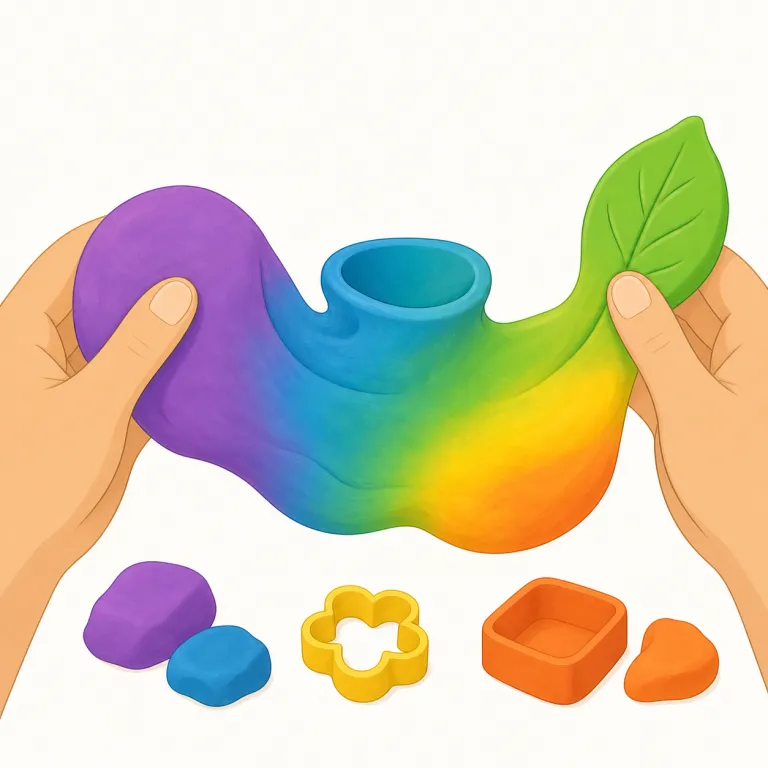
plasticity
可塑性
解説 Definition
柔軟に変形・変化する性質や能力です。心理学では心が外部の環境や状況に適応する柔軟な能力を指します。
Plasticity is the ability of something to change shape, form, or condition. In science, it can describe a material that can be molded, or a system such as the brain that can adapt and change. The exact meaning depends on the field, but the main idea is flexibility and capacity for change.
覚え方のコツ Memory Tip
plastic を「プラスチック製」だけで覚えず、「形を変えやすい」という感覚まで持つと plasticity が取りやすいです。語尾 -ity は「性質」なので、plasticity = “plastic である性質”。物体なら押されて形が変わる性質、心や脳なら経験や環境で作り変わる力。心理・脳科学では neural plasticity, brain plasticity が定番。elasticity が「元に戻る弾性」寄りなのに対し、plasticity は「作り変わっていける柔軟さ」と捉えると残ります。
Do not think only of `plastic` as a material; remember the older idea of being easy to shape. Then `plasticity`, with `-ity` for a quality, means the quality of being shapeable or changeable. It stands out well next to `elasticity`: elastic things return, but plastic things can be reshaped.
例文
The material's plasticity allows it to be molded easily.
その材料は可塑性があるため、簡単に成形できる。
The brain's plasticity enables learning throughout life.
脳の可塑性は生涯を通じた学習を可能にする。
The artist appreciated the plasticity of clay.
その芸術家は粘土の可塑性を高く評価した。
plasticity の類義語・関連語
plasticity の語源・成り立ち Etymology
「plasticity」はギリシャ語 plastikos「形づくるのに適した」から来て、核は plassein「こねて形を作る」です。plastic や plaster と同根で、外から押されると形を変えられる性質だと思うと「可塑性」が直感的に見えます。
Plasticity comes from Greek plastikos, meaning "fit for shaping," from plassein, "to mold" or "form." The same root appears in plastic and plaster. The idea moved from shaping soft material by hand to the broader sense of being able to change form under pressure or influence.
同じレベルの語彙をもっと
外部辞書で調べる
この英単語をクイズで覚えよう