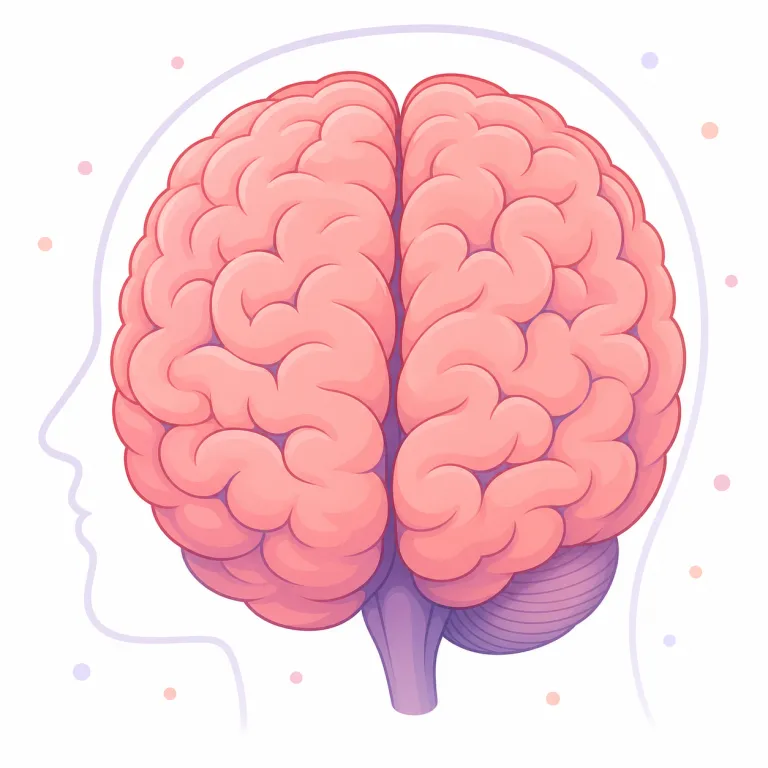
brain
brain は英検4級レベルの英単語で、「脳、頭脳、知能」という意味があります。発音記号は /breɪn/ です。
意味一覧 (2件)
脳
解説 Definition
「脳」とは、頭蓋骨の中に収まっている神経系の中枢器官で、思考・感情・記憶・身体の動きを制御します。人間の脳は非常に複雑で、約860億個のニューロンから構成されています。医学や神経科学の分野での重要なテーマであると同時に、知性や思考力を象徴する言葉としても使われます。
The brain is the organ inside the head that controls thought, memory, movement, and feeling. The word is also used when talking about intelligence or the mind in general.
覚え方のコツ Memory Tip
brain は「考える中枢」として覚えると定着しやすい語です。head が頭全体を指すのに対し、brain は中にある器官そのもの。mind は「心・知性・考え」を広く表し、brain はより物理的です。そこから「頭脳」「知力」の意味にも自然に広がります。brainy(頭の切れる), brainstorm(案をどっと出す)までまとめて覚えると強いです。use your brain, brain damage, brain scan など、体の器官としても能力としても頻出です。
Keep `brain` separate from `head`: your `head` is the whole top part, but your `brain` is the organ inside. It also extends naturally to the idea of intelligence, which is why `brainy` and `brainstorm` are good related words to learn with it. The phrase `use your brain` is a simple and strong memory hook.
例文
My brain helps me think.
脳の働きで、私は考えることができます。
The brain is in your head.
脳は頭の中にあります。
We learn new things with our brains.
私たちは脳を使って新しいことを学びます。
えいたんごクイズでの正答率
この語をはじめて出題された 37人 のうち 34人 が正解しました(92%)。
えいたんごクイズの回答から集計した独自データです。1人につき最初に出題されたときの1回だけを数えており、復習や2回目以降の回答、「わからない」と時間切れは含みません。 集計時点は 2026年9月19日 です。
頭脳、知能
(意味 2)
解説 Definition
身体器官としての「脳」ではなく、考える力や理解力そのものを抽象的に表す名詞用法。人の頭の良さ、問題解決力、判断力を述べるときに使う。特に仕事や学習で、体力ではなく知的能力がものを言う場面で現れやすい。
The intellectual ability to think, understand, and solve problems. This noun often appears in the plural when describing someone's intelligence or the mental ability a task requires.
例文
Use your brain to find the answer.
頭を使って答えを見つけなさい。
This game needs brains, not strong arms.
このゲームに必要なのは、腕力ではなく頭脳です。
She has brains and does well in math.
彼女は頭がよく、数学が得意です。
brain の類義語・関連語
brain の語源・成り立ち Etymology
brain は古英語 brægen に由来するゲルマン系の基本語で、西ゲルマン祖語 *bragnan にさかのぼります。はっきりした接頭辞分解はありませんが、brainy や brainless は同根。思考の中心を指す古い語なので、脳そのものと「頭のよさ」の両方を表すのが自然です。
"Brain" comes from Old English "brægen" and is an old Germanic word. It goes back to an earlier West Germanic form and is not clearly built from smaller parts in English. Because it has long named the organ of thought, it naturally also gave rise to figurative uses about intelligence. Related forms include "brainy" and "brainless."
同じレベルの語彙をもっと
英検4級の一覧へ →外部辞書で調べる
この英単語をクイズで覚えよう