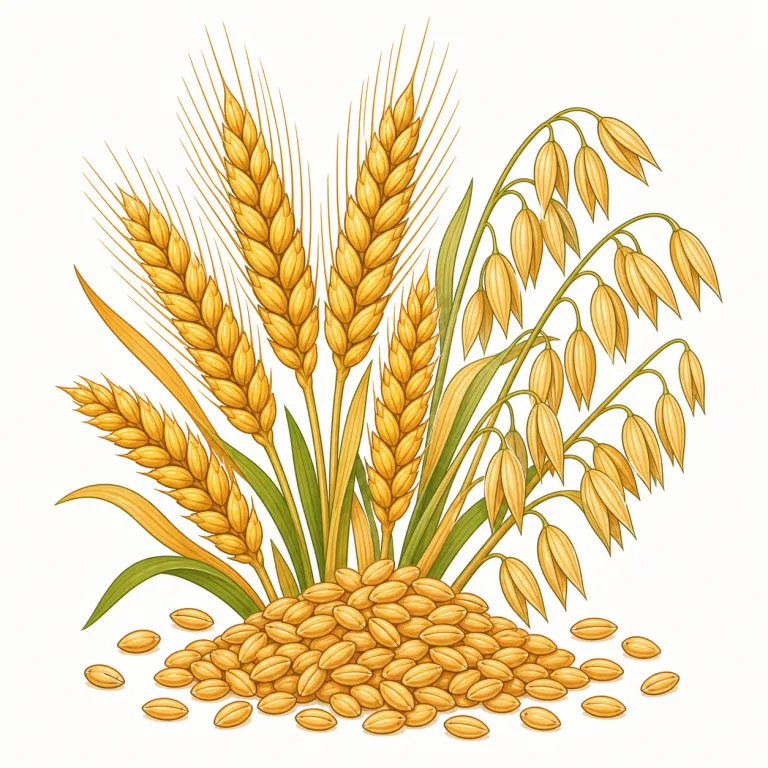
grain
grain は英検準1級・TOEIC 860・TOEFL 80・IELTS 6.5レベルの英単語で、「穀物、粒、木目、きめ」という意味があります。発音記号は /ɡreɪn/ です。
意味一覧 (3件)
穀物
解説 Definition
穀物(こくもつ)とは、米、麦、トウモロコシなどの食用になる植物の種子です。人間や動物の主食として栽培されます。
Grain means a small hard seed from crops such as wheat, rice, or corn, especially when used as food. It can also mean a single very small piece of something. The word is common in farming, cooking, and everyday descriptions of texture or size.
覚え方のコツ Memory Tip
grain はまず「米つぶ1つ」を思い浮かべると残りやすい語です。核は「粒」で、そこから rice grain のような一粒、さらに wheat, rice, corn などをまとめた「穀物」へ広がります。日本語訳を最初から“穀物”だけで固定せず、「小さな粒の集合」と捉えるのがコツ。whole grain bread, grain prices, grain production のように、食料・農業の話題でまとまって出やすいです。seed は「種」、wheat は「小麦」と個別なので区別すると覚えやすくなります。
Start with the image of one tiny piece, like a grain of rice. From that small unit, `grain` expands to a larger group such as wheat, rice, or corn as food crops. Expressions like `whole grain bread` and `grain prices` help keep both the small-particle image and the farming meaning together.
例文
Rice is the main grain crop in Asia.
米はアジアの主要な穀物です。
Farmers harvest different types of grain in autumn.
農家は秋に様々な種類の穀物を収穫します。
Whole grains are nutritious and healthy.
全粒穀物は栄養価が高く健康的です。
えいたんごクイズでの正答率
この語をはじめて出題された 40人 のうち 39人 が正解しました(98%)。
えいたんごクイズの回答から集計した独自データです。1人につき最初に出題されたときの1回だけを数えており、復習や2回目以降の回答、「わからない」と時間切れは含みません。 集計時点は 2026年9月19日 です。
粒
(意味 2)
解説 Definition
ごく小さいひとかけらや一粒ずつのものを指す名詞です。砂・塩・米など、細かい物質を数えるときによく使われ、a grain of ... の形で「一粒の」「ほんの少量の」という感覚も表します。
A very small, individual piece of a substance such as sand, salt, or rice. It is used when counting these tiny pieces separately.
例文
There was a grain of sand in my shoe.
靴の中に砂粒が一つ入っていた。
She counted every grain of rice on the plate.
彼女は皿の上の米粒を一つ一つ数えた。
He felt a grain of salt between his fingers.
彼は指の間に塩の粒を感じた。
木目、きめ
(意味 3)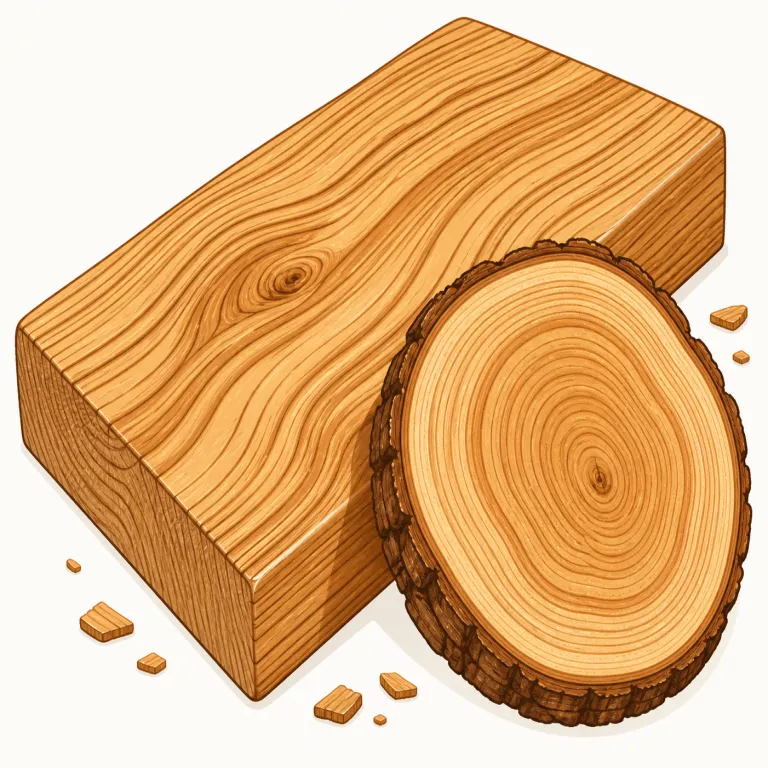
解説 Definition
木材・布地・紙・肌などの表面に見える細かな筋や質感を表す名詞です。特に wood grain では木目を指し、きれいさや粗さ、手ざわりの特徴を述べるときによく使われます。
The fine lines or texture visible on the surface of a material, especially wood. It is used to describe how smooth, rough, or finely patterned a surface looks or feels.
覚え方のコツ Memory Tip
grain は「粒」が核ですが、木目・きめでは、表面に見える細かな粒や筋の流れを思い浮かべると覚えやすい語です。wood grain は木材の中にある小さな繊維や線が作る模様で、「穀物」ではなく、手で触れる質感や目に見える筋のこと。beautiful natural grain, feel the grain of the wood のように、wood・surface・texture と一緒なら「木目・きめ」。rice grain の一粒とは切り分けて、粒が並んでできた表面の表情と覚えると残りやすいです。
Imagine running your fingers along the fine lines in a wooden table. Associate 'wood grain' with the pattern made by its fibers, and 'fine grain' with a delicate surface texture.
例文
The table has a beautiful natural grain.
そのテーブルには美しい自然な木目がある。
You can feel the grain of the wood.
手で触るとその木の木目が感じられる。
This paper has a fine grain.
この紙はきめが細かい。
grain の類義語・関連語
対義語
紛らわしい語
grain の語源・成り立ち Etymology
ラテン語 granum(種・粒)から古フランス語 grain を経て英語へ。印欧祖語の *ǵr̥h₂nóm(穀粒)に遡る。関連語: granule(顆粒)、granite(花崗岩=粒状の石)。一粒の種が原義で、穀物全般や「少量」の意味にも広がった。
Grain comes from Latin granum, meaning "seed" or "small kernel," and entered English through Old French grain. At first it referred to a single small seed or particle. From there, it broadened to mean cereal crops in general and even a very small amount, and it is related to granule and granite.
同じレベルの語彙をもっと
英検準1級の一覧へ →外部辞書で調べる
この英単語をクイズで覚えよう