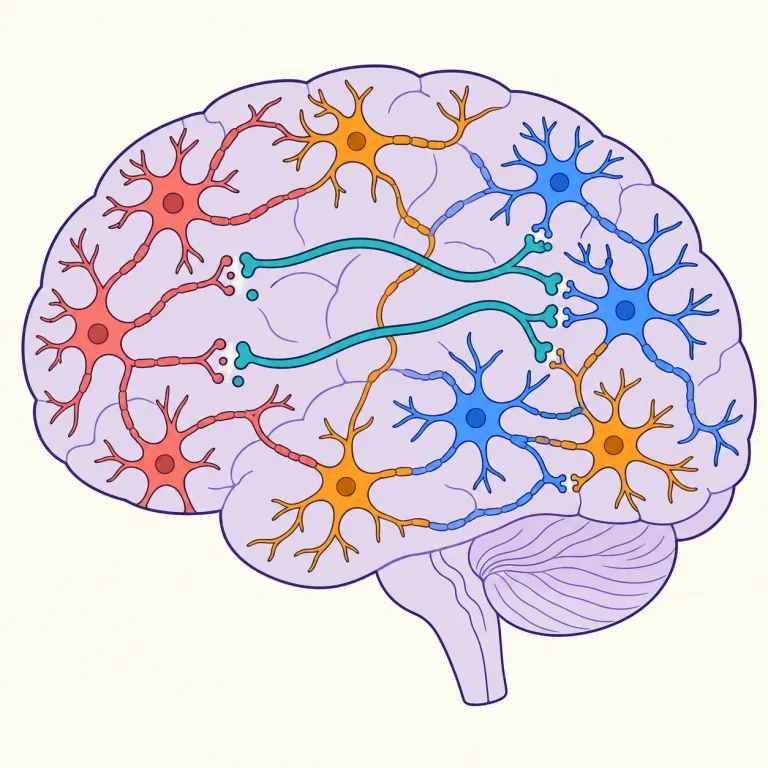
神経可塑性
解説 Definition
神経系が経験に応じて適応および変化する能力。脳の可塑性。
Neuroplasticity is the brain's ability to change and reorganize itself. It happens when we learn new skills, form habits, recover from injury, or adapt to new experiences. The word is often used in psychology, education, and medicine.
覚え方のコツ Memory Tip
neuro- は neuroscience、neural などで見かける「神経・脳」系の目印。plasticity は plastic の「形が変わる」感覚を抽象化した語で、ここでは「プラスチック製」ではなく「柔軟に変化できる性質」。つまり neuroplasticity は『脳や神経回路が固定ではなく、練習・経験・リハビリによってつながり方や働き方を変えられる性質』。学習能力や回復力の話と結びつけると覚えやすい。
Break it into `neuro` + `plasticity`. `Neuro` points to the brain and nerves, and `plasticity` is the ability to change shape. Think of the brain as not fixed, but able to reshape itself through practice, experience, or recovery.
例文
Neuroplasticity allows the brain to form new neural connections.
神経可塑性により、脳は新たな神経結合を形成できます。
Neuroplasticity lets children's brains change as they learn.
神経可塑性により、子供の脳は学習に伴って変化します。
Neuroplasticity enables recovery after brain injuries.
神経可塑性は脳損傷後の回復を可能にします。
neuroplasticity の類義語・関連語
類義語
派生語
紛らわしい語
neuroplasticity の語源・成り立ち Etymology
neuroplasticityはギリシャ語neuron「神経」+ plastikos「形作れる」+ -ity「性質」から成る。脳が固定配線ではなく、経験で『粘土のように形を変える力』だと分かると意味が腑に落ちる。関連語はneuron、plastic。
Neuroplasticity is formed from neuro-, plasticity, and the abstract ending -ity. Neuro- comes from Greek neuron, meaning "nerve," and plastic comes from Greek plastikos, meaning "able to be shaped or molded." The word developed to describe the ability of the nervous system to change its form or connections. Related English words include neuron and plastic.
同じレベルの英単語をもっと
外部辞書で調べる
この単語を英単語クイズで覚えよう