午後
解説 Definition
afternoons は afternoon(午後)の複数形です。いくつもの午後や、習慣的に午後に行うことを表すときに使われます。
Afternoons is the plural of afternoon and refers to more than one period between noon and evening. It is often used for activities or conditions that regularly occur during that part of the day.
覚え方のコツ Memory Tip
afternoon「午後」の複数形で、子音 /n/ の後の -s は /z/ と発音します。一回の午後ではなく、複数の日の午後や習慣的な時間帯を表し、Sunday afternoons「毎週日曜の午後」、most afternoons「たいていの午後」の形が典型です。in the afternoons なら「午後にはいつも」という反復の感覚が出ます。
Start with afternoon, the part of the day after noon, and add plural -s. Because the base ends in the voiced sound /n/, the ending is pronounced /z/. The plural often does more than count separate afternoons: it can express a regular schedule or repeated habit. Sunday afternoons means the afternoon period on successive Sundays, while most afternoons means on most days during that period. Compare one quiet afternoon with the library is quiet in the afternoons, which describes a recurring pattern.
例文
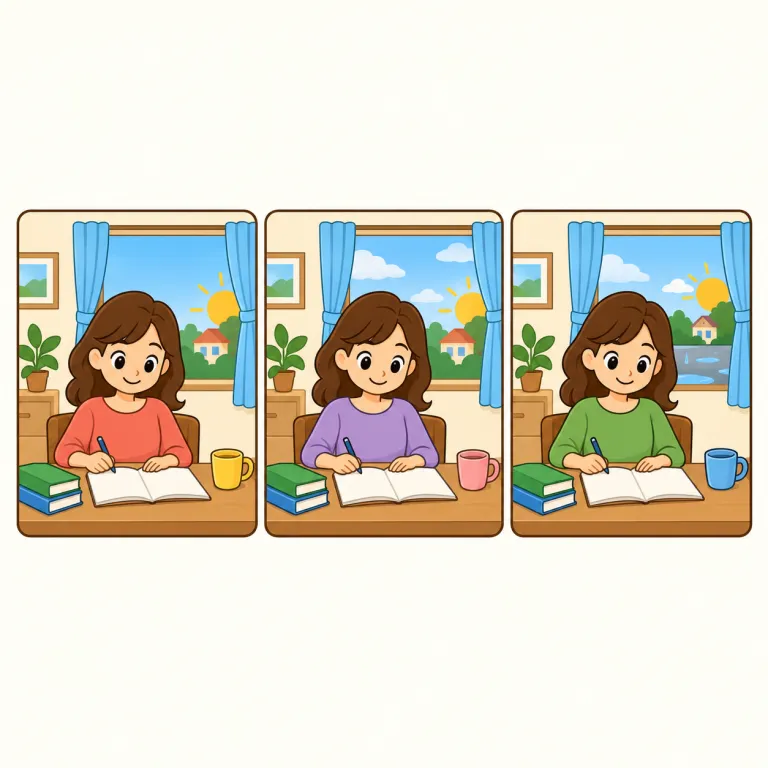
I study English on Sunday afternoons.
私は日曜の午後に英語を勉強します。
The library is quiet in the afternoons.
その図書館は午後になると静かです。
She works at the cafe most afternoons.
彼女はたいていの午後、そのカフェで働いています。
afternoons の類義語・関連語
afternoons の語源・成り立ち Etymology
古英語 æfter(後の)+ noon(正午)から成る複合語。noonはラテン語 nona hora(第9時=午後3時頃)に由来し、後に正午を指すようになった。関連語:noon(正午)、aftermath(余波)。正午の「後」という素直な構成である。
Afternoons is the regular plural of afternoon, formed by adding -s. Afternoon is a transparent compound of after and noon. After continues Old English æfter, while noon developed from Latin nona hora, “ninth hour,” through church timekeeping; it originally referred to a time around mid-afternoon before shifting toward midday. Once noon meant midday, afternoon naturally named the period following it. The plural ending is pronounced /z/ after the voiced final sound /n/.
同じレベルの語彙をもっと
外部辞書で調べる
この英単語をクイズで覚えよう