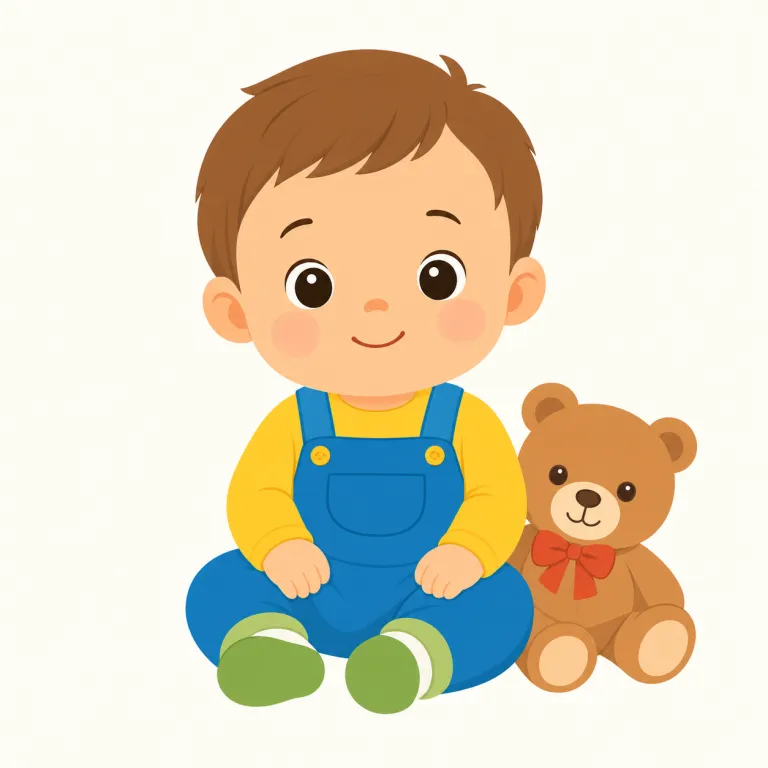
幼い子供
解説 Definition
イタリア語で幼い子供や赤ちゃんを指す言葉。
Bambino is an Italian word meaning a baby or young child, especially a boy. In English, it is sometimes used playfully, affectionately, or as a nickname. It sounds warm and informal rather than neutral.
覚え方のコツ Memory Tip
baby や kid のイタリア語っぽい仲間として覚えると残りやすい語です。英語の中で見ると、単なる child よりも「幼くて、かわいらしい子」をやわらかく呼ぶ響きがあり、少し愛称的です。語尾の -ino はイタリア語で“小さい・親しみ”を感じさせる形なので、bambino を見たら『baby より少し異国風で、kid よりずっと幼い子』と位置づけると覚えやすいです。レストラン名や愛称でも見かけやすいので、“小さな子を親しげに呼ぶ語”という場面ごと記憶すると定着します。
The ending -ino gives it an Italian feeling, not a basic everyday English one. You may see it in names, restaurant language, or religious and cultural contexts rather than normal conversation. Remember it as a word that keeps its Italian style when it appears in English.
例文
In Italian, bambino is an affectionate word for a young child.
イタリア語で bambino は、幼い子供を親しみを込めて指す言葉だ。
The Italian word bambino refers to a baby or young child.
イタリア語の bambino は、赤ちゃんや幼い子供を指す。
In Italian art descriptions, bambino can refer to the infant Jesus.
イタリア美術の解説では、bambino が幼子イエスを指すことがある。
bambino の語源・成り立ち Etymology
イタリア語 bambino「子ども」がそのまま入った語で、語尾 -ino は「小さい」「親しい」を表す指小辞です。bambo 系の幼児語にさかのぼるとされ、bambina や bimbo も同系なので、「小さな子」がそのまま意味になったと考えると覚えやすいです。
Bambino was borrowed directly from Italian, where it means a child. It is built on a baby-talk root bamb- with the ending -ino, a common Italian suffix showing smallness or affection. So the word originally carried the sense of a little or dear child. Related Italian forms include bambina and bimbo.
同じレベルの語彙をもっと
外部辞書で調べる
この英単語をクイズで覚えよう