意味一覧 (2件)
子供
解説 Definition
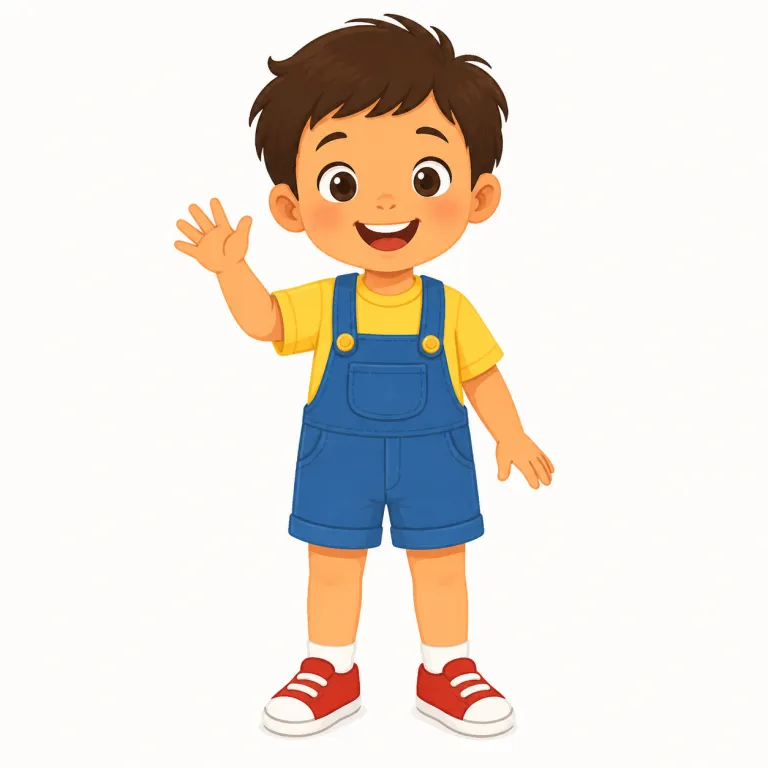
子供を指すカジュアルな表現。child よりくだけた言い方で、日常会話で非常によく使われる。
Kid means a child. It is a very common informal word used in everyday English. It can also mean a young person in a general way, but it is less formal than child.
覚え方のコツ Memory Tip
child のくだけた言い方として覚えると定着しやすい語。家族の会話、学校、育児、ニュースの軽めの文脈では children より kids がかなり自然で、school kids, little kids, kids these days のようなかたまりで覚えると出てきやすい。意味の中心は baby より大きく、teenager より幼い「子ども」。一方、フォーマルな文章や制度の話では child / children が選ばれやすい。さらに kid には「冗談を言う」という動詞もあるので、冠詞や複数形を見て名詞かどうか確認すると混同しにくい。
Think of `kid` as the casual spoken version of `child`. It is very common in everyday phrases like `little kids`, `school kids`, and `kids these days`. Keep the contrast clear: `kid` is informal, while `child` or `children` is safer in formal writing.
例文
The kid has a red ball.
その子供は赤いボールを持っています。
A kid runs to school.
子供が学校へ走ります。
This kid likes milk.
この子供は牛乳が好きです。
からかう
(意味 2)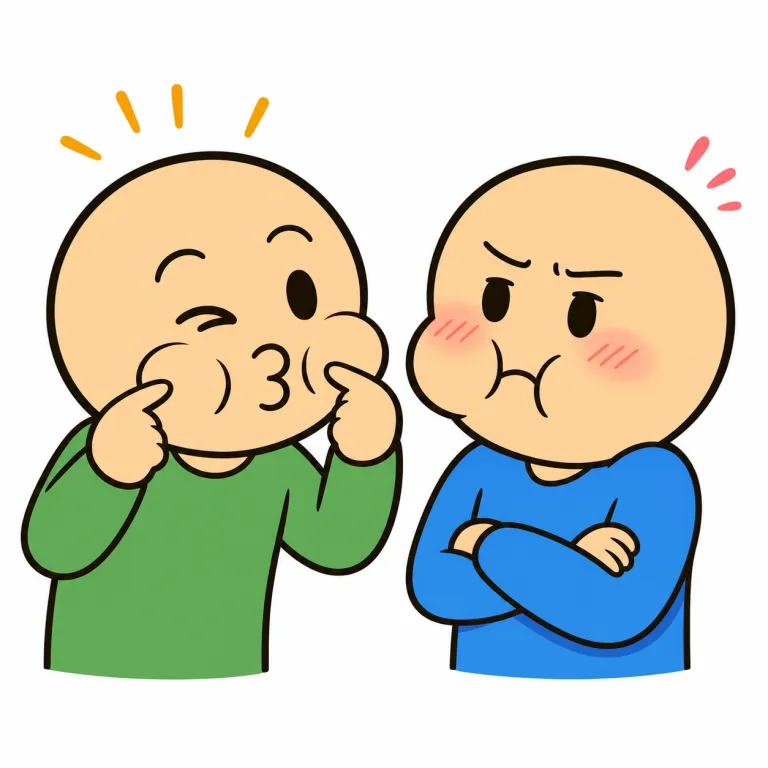
解説 Definition
kid が動詞のときは、相手を本気ではなく軽くからかったり、冗談として言ったりすることを表す。親しい間柄のくだけた会話でよく使われ、あとで本気ではないと明かす場面にも合う。強い悪意より、ふざけた調子や気軽さがにじむ語。
To tease someone playfully or say something as a joke without being serious. This informal verb is common in friendly conversations.
覚え方のコツ Memory Tip
Just kidding. を丸ごと覚えると、動詞 kid「からかう・冗談を言う」が定着しやすいです。子どもの kid とは切り分けて、ここでは「本気ではなく、ふざけて言う」動作と考えるのがコツ。He is kidding me. なら「彼は私をだましている/からかっている」、Are you kidding? なら「冗談でしょ?」の感じです。tease より軽く、親しい会話で使われやすいので、笑って済む冗談の場面を思い浮かべると意味がぶれません。
Remember the whole phrase "Just kidding" to connect kid with saying something you do not seriously mean. Imagine a friend making a playful remark and then smiling to show it was a joke.
例文
Just kidding.
冗談だよ。
He likes to kid his friends about their favorite teams.
彼は友人たちをひいきのチームのことでよくからかう。
I thought she was serious, but she was only kidding.
彼女は本気だと思ったが、ただ冗談を言っていただけだった。
kid の類義語・関連語
対義語
派生語
紛らわしい語
kid の語源・成り立ち Etymology
中英語 kide は「子ヤギ」を意味する古ノルド語 kið に由来する。17世紀頃からスラングとして「子供」の意味で使われ始め、現在では日常語として定着した。関連語に kidnap(子供をさらう→誘拐する)がある。ヤギの子が元の意味という意外な語源を持つ。
"Kid" originally meant a young goat. It came into Middle English from Old Norse "kið." In the 17th century, it began to be used informally for a child, and that slang meaning later became very common. The older animal sense still survives beside the human one.
同じレベルの語彙をもっと
外部辞書で調べる
この英単語をクイズで覚えよう