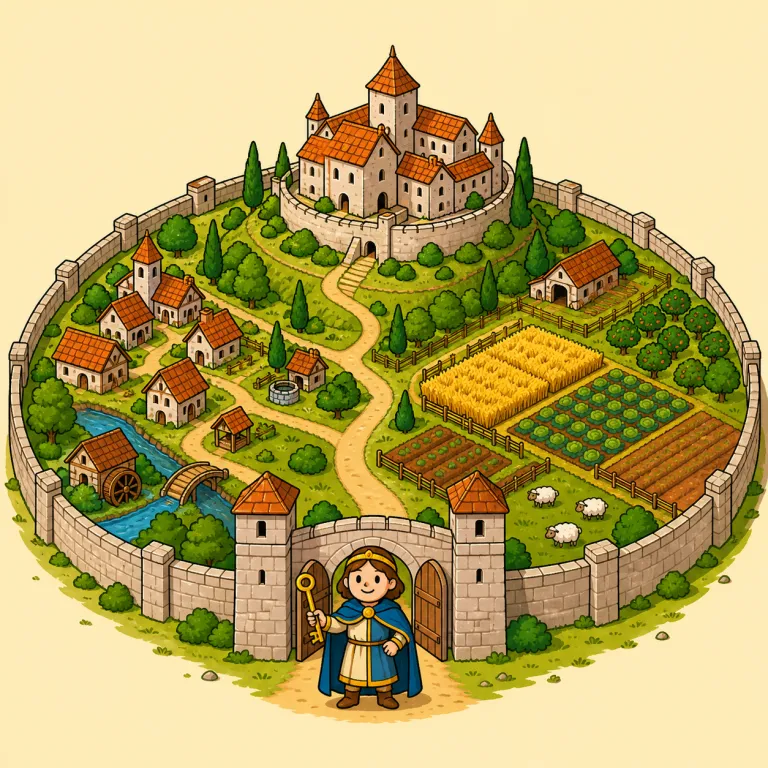
男爵位、男爵の身分
noun 名詞貴族制度における男爵の爵位や身分を指す。領地そのものではなく、baronが保持する地位や、その爵位に伴う権利について述べる歴史的・制度的な文脈で使われる。
男爵の支配下にある領地。貴族制度において男爵が統治する地域を指します。
Barony is the land, title, or area controlled by a baron in a feudal system. It is mainly used in history and law when talking about old social and political systems. In modern English, it often appears in historical writing rather than daily conversation.
まず baron を確実に軸に置くと覚えやすいです。baron は「男爵」という人、barony はそこに -y が付いて、その男爵に結びつく「地位・領域」の名詞になった形だと見ると整理できます。実際の記憶では「人の baron」と「土地の barony」を対で覚えるのが有効です。中世・封建制度の文脈で出やすく、inherit a barony, grant a barony のように領地として扱われます。似た形の baronial は「男爵の」、baronage は「男爵位・男爵階級」で、barony だけが特に“領地”寄りだと区別すると混同しにくいです。
Start from `baron`, the person. Then add `-y` and think of the land, title, or domain connected to that baron. A simple memory pair is `baron` for the nobleman and `barony` for what belongs to his rank.
The nobleman inherited a large barony from his father, bringing significant wealth.
その貴族は父から大きな男爵領を相続し、それによって莫大な富を得ました。
During the Middle Ages, a barony was an important unit of feudal territory.
中世には、男爵領は封建領土の重要な単位でした。
The barony's borders were disputed between neighboring noble families.
その男爵領の境界をめぐって、近隣の貴族一族同士が争っていました。
文脈によって、次の意味でも使われます。
貴族制度における男爵の爵位や身分を指す。領地そのものではなく、baronが保持する地位や、その爵位に伴う権利について述べる歴史的・制度的な文脈で使われる。
barony は中英語を経て古フランス語 baronie「男爵の地位・領地」から入り、さらに後期ラテン語 baronia、baron にさかのぼります。語尾 -y は「身分・領域」を表し、baronial や baron も同系なので、「男爵が治める範囲」から男爵領の意味になりました。
Barony came into English from Old French baronie, through Middle English, and goes back to Medieval Latin baronia. It is built on baron, with a noun ending that referred to rank, office, or territory. The word developed from the status or domain of a baron to the land ruled by one. Related words include baron and baronial.
この英単語をクイズで覚えよう