全く~するつもりがない
idiom 熟語not be about to + 動詞の原形の形で、ある行為をする意思が全くないことを強く表す口語的な用法。単に近い未来を否定するのではなく、要求や予想に対する断固とした拒否を示すことが多い。
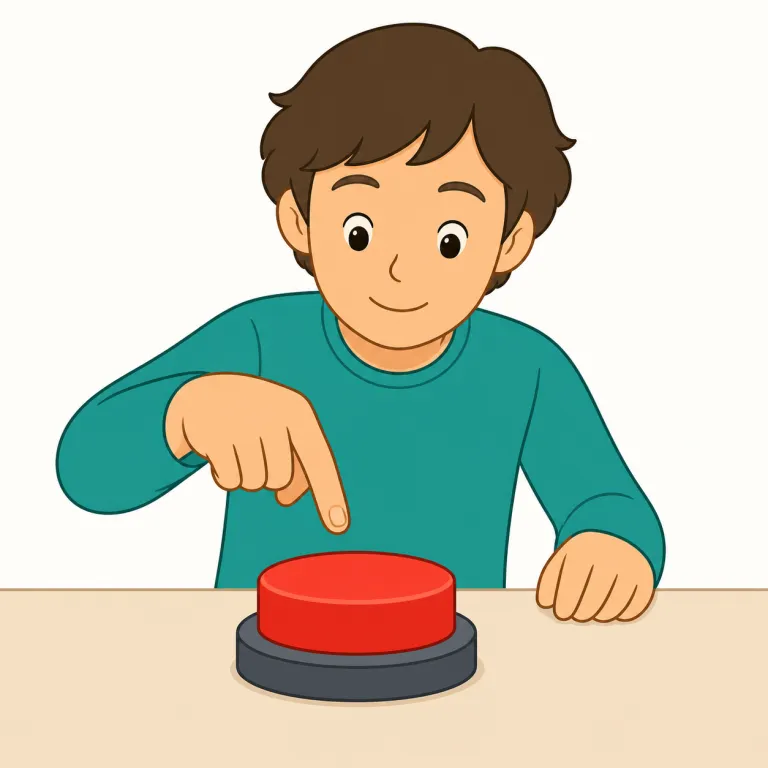
be about to は英検3級レベルの英熟語で、「する直前である」という意味があります。発音記号は /bi əˈbaʊt tuː/ です。
「be about to + 動詞の原形」で、ある行為が今にも起こる、または主語がまさにそれをしようとしている差し迫った状態を表す固定表現。ごく近い未来を示し、予定そのものより直前性や切迫感に重点が置かれる。
Be about to means that something is going to happen very soon, usually in the next moment or after a very short time. It is used for actions that are just starting or are very close to starting.
will や be going to が単に「これから」を言うのに対し、be about to は「もう次の瞬間に起こる・する」という直前感が核。後ろは必ず動詞原形で、まとまりごと覚える。The train is about to leave. のように、開始ベル・出発・発言直前など一歩手前の場面と結びつけると強い。be ready to よりも準備状態ではなく、実際の動作開始が目前というニュアンス。
Think of `about to` as the final second before something starts. It is closer and more immediate than `will` or `going to`. Remember the pattern as one chunk: `be about to` + base verb.
The bell is about to ring.
ベルが今にも鳴りそうです。
I am about to leave for school now.
私は今、学校へ出かけるところです。
The baby is about to fall asleep.
赤ちゃんは今にも眠りそうです。
文脈によって、次の意味でも使われます。
not be about to + 動詞の原形の形で、ある行為をする意思が全くないことを強く表す口語的な用法。単に近い未来を否定するのではなく、要求や予想に対する断固とした拒否を示すことが多い。
be about to の about は古英語 abutan / onbutan に由来し、on + be(by) + utan(out) で「周りに・取りかかって」が原義です。関連語は by, out。もとは「今まさにその事に取りかかるところ」という感覚なので、「今にも〜しそうだ」という近い未来を表します。
In this phrase, `about` comes from Old English forms like `abutan` and originally meant "around" or "in the area of." Over time, it also came to suggest being busy with something or just starting it. That is how `be about to` developed the sense of being on the point of doing something very soon.
この英熟語をクイズで覚えよう