処分された
解説 Definition
disposedは動詞disposeの過去形・過去分詞です。「処分された」という意味では、通常be disposed ofの形で使います。単独のdisposedには「処分された」という意味は出にくいので、ofを伴う形で理解します。
Disposed is the past-tense and past-participle form of dispose. In the passive phrase be disposed of, it means that something unwanted was removed, discarded, destroyed, or otherwise dealt with permanently.
覚え方のコツ Memory Tip
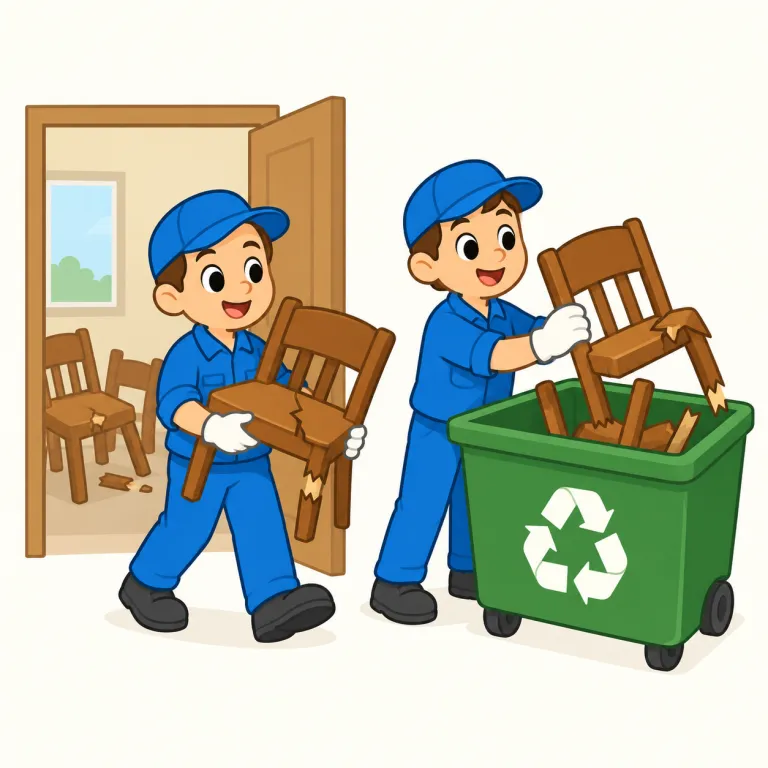
dispose の過去形・過去分詞で、語末の e を残して -d を付け、disposed /dɪˈspoʊzd/ となる。「処分された」は必ず be disposed of のまとまりで覚える。broken chairs were disposed of のように、不要物を適切な場所へ移して片付ける場面を思い浮かべる。
Learn this sense as the complete pattern be disposed of, not as disposed by itself. Dispose ends in silent e, so its past form is made by adding only -d: disposed, pronounced /dɪˈspoʊzd/, with a final /d/ sound. Picture broken chairs, confidential papers, or chemicals being removed after use: the chairs were disposed of, and the chemicals must be disposed of safely. The preposition of is essential for the meaning “get rid of.” Without it, be disposed to has a different meaning: “be inclined or willing to do something.”
例文
The broken chairs were disposed of after the event.
壊れた椅子はイベントの後で処分されました。
Old documents must be disposed of safely.
古い書類は安全に処分されなければなりません。
The chemicals were disposed of according to the rules.
その化学薬品は規則に従って処分されました。
disposed の類義語・関連語
対義語
紛らわしい語
disposed の語源・成り立ち Etymology
ラテン語 disponere(dis-「離して」+ ponere「置く」)が古フランス語 disposer を経て英語に入った。「物を配置・整理する」が原義で、処分する・傾向があるの両義に発展した。関連語: dispose(処分する)、disposition(気質・配置)。
Disposed is the past and past-participle form of dispose. Dispose came through French from Latin dispōnere, composed of dis-, conveying separation or arrangement, and pōnere, “to put” or “place.” Its early senses concerned arranging or placing things in order. From the idea of putting something in an appropriate place developed dispose of, meaning to settle a matter, transfer something, or get rid of it. The passive construction be disposed of expresses the completed removal or treatment of an item.
同じレベルの語彙をもっと
外部辞書で調べる
この英単語をクイズで覚えよう